
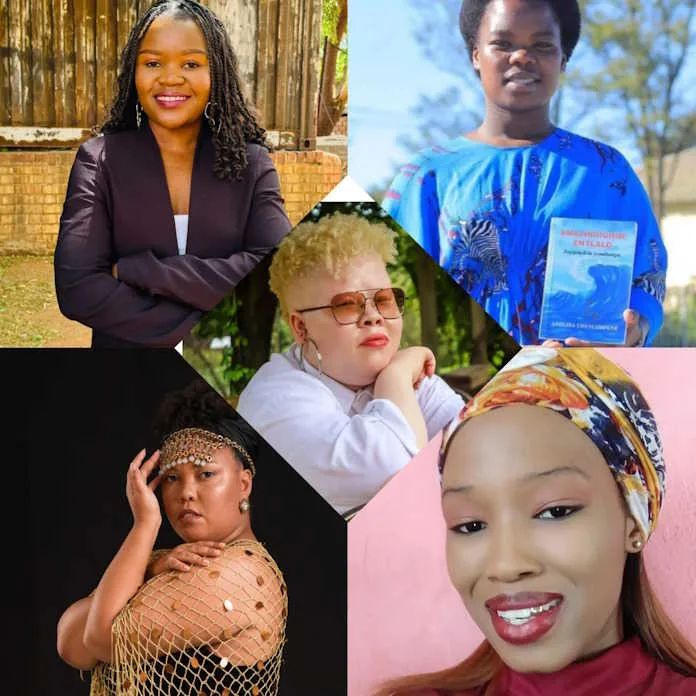
As the South African Literary Awards (SALA) marks two decades of honouring literary excellence, this Women’s Month, it turns the spotlight on women authors, especially the young, who are not only telling stories, but are shaping a literary future rooted in identity, resistance, and renewal.
In recognising voices that have emerged through poetry, prose, essays, and indigenous language storytelling, SALA asserts that literary spaces must reflect the full spectrum of South African womanhood and girlhood. From school journals to book festivals, young women are finding ways to document their world, defying stereotypes and forging new possibilities for African narratives.
“SALA’s commitment to literary excellence has always included elevating women and the youth – not as symbolic gestures, but as essential architects and vessels of South Africa’s narrative,” says Prof Zodwa Motsa, Chairperson of the SALA Advisory Board. “This Women’s Month, we honour the literary womanhood whose voice is unapologetic, creative, courageous, and future-focused. The stories of young women are not marginal; they are the marrow of our national imagination.”
Among those previously recognised is Lebogang Masango, whose work in children’s literature and poetry has inspired a new generation of feminist thinkers and readers, Deidré Jantjies, a cultural activist passionate about the historical stories of women. She is the author of the illustrated children’s book Stories in die Wind (2022), which is written in Nama and Afrikaans.
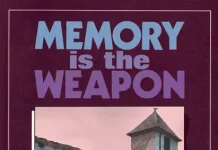
Terry Ann Adams, whose first story in “White Chalk, Rock a Bye, Baby”, was her attempt to make sense of one of her worst memories, followed by “The Ouens”, a story based on the collective memory of boyhood and the very painful collective memory of Nathaniel Julies.
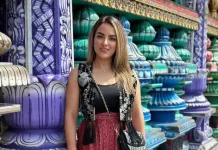
Tshepiso Makgoloane, the 25-year-old multi-award-winning poet and writer from Limpopo’s Motetema Township, has said she never thought “Tša Ma Africa” would take her so far when it started as an e-book.
The motivational speaker and editor of Sepedi poetry books promised her followers more for the future and encourages the youth to empower themselves through reading and acquire as much knowledge as possible.
Anelisa Thengimfene, who won the 2023 Poetry Award for her isiXhosa collection “Amajingiqhiw’ entlalo (The Ups and Downs of Life)”, continues to inspire through her dual role as a writer and lecturer at SANTS Private Higher Institution. Her writing reflects the lived experiences of many South African women, blending resilience and reflection.
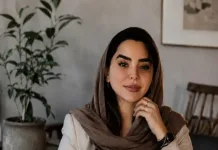
Also honoured is Fhulufhelo Ntsieni, a 23-year-old poet and the youngest winner at the 2024 South African Literary Awards, recognised in the Poetry category for “Rudzani”. Her work contributes to the evolving landscape of South African poetry, rooted in memory, language, and identity.
Over the years, categories such as Youth Literature, First-time Published Author, Poetry and Creative Non-Fiction have become critical entry points for emerging women authors. These categories have nurtured talents whose books are now studied in classrooms, circulated through book clubs, and cited in academic discourse.
As part of its 20th anniversary campaign, SALA is calling on the public to actively support these and other authors by reading their books, sharing their stories, and following their journeys online. Institutions are also encouraged to invest in youth-led publishing initiatives and to bridge the access gap faced by women under 35 in literature.
This August, SALA invites South Africans to celebrate Women’s Month not just in tribute, but in action by buying books and honouring the young women whose pens are documenting our hopes, struggles, and histories.
“The process of writing a children’s story book is incredibly fun; it is something that I always wanted to do. Children’s books are very exciting objects, and it was incredibly fulfilling”, enthuses Lebohang Masango, who won a SALA Children’s Literature Award in 2019.
Alongside her academic pursuits, she aspires to release two new children’s books, further securing her identity as a leading voice in literature.
“I want to be counted among the voices that told the truth and preserved it,” she asserts.
For aspiring writers, Masango shares invaluable advice: “Read more than you write” and “Start a blog.”
She emphasises the importance of reading as a method to explore diverse styles and genres while encouraging writers to cultivate their unique voices without reliance on artificial intelligence.
As we prepare for the upcoming Africa Century International African Writers Conference (#ACIAWC2025), the presence and perspectives of young women remain central to shaping the literary conversations ahead, concludes Prof Motsa.