




In today’s hyper-connected world, staying anonymous online and accessing geo-restricted content has become more important than ever. Whether you’re running large-scale data scraping projects, managing multiple social media accounts, or trying to snag limited-edition sneakers, a reliable residential proxy can make all the difference.
But with so many providers claiming to be the best, how do you know which one truly delivers? That’s where this guide comes in. We’ve carefully tested, compared, and ranked the best residential proxies of 2025 to help you choose the right one for your needs.
At the top of our list is NetNut, a powerhouse trusted by businesses and savvy users worldwide. Keep reading to find out why NetNut stands out — and how other top residential proxy providers stack up against it.
What Are Residential Proxies?
Before diving into the rankings, let’s get clear on what residential proxies actually are — and why they’re worth paying attention to.
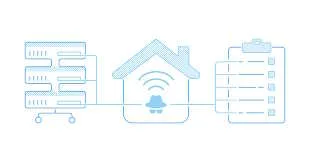
A residential proxy is an IP address assigned by an Internet Service Provider (ISP) to a real household device. Unlike datacenter proxies, which are created in bulk in server farms, residential proxies route your connection through real devices and a real residential IP address, making your traffic look authentic and far less likely to get blocked or flagged.
Because of this, residential proxies are a go-to tool for activities that require stealth and reliability — think web scraping, market research, ad verification, and managing multiple accounts without triggering security alarms. They’re also ideal for accessing geo-specific content and bypassing strict website restrictions.
In short, if you want your online activities to appear as if they’re coming from real users around the world, residential proxies are your best bet. There are a few different types of residential proxy server options to choose from such as rotating residential proxies and static residential proxies with a wide range of different bandwidth and proxy pool sizes. More on the different proxy types, proxy solutions, and proxy management in the next section.
How to Choose the Best Residential Proxy
Not all residential proxies are created equal — and picking the right provider can make or break your project. Here are a few key factors to keep in mind when comparing options:
- IP Pool Size: A larger IP pool means more real residential IPs to rotate through, reducing the chance of bans.
- Speed & Reliability: Look for providers that maintain high uptime and fast connection speeds — crucial for scraping and automation.
- Location Coverage: If you need proxies from specific countries or cities, make sure your provider offers robust geo-targeting.
- Rotation & Session Control: Some tasks need constantly rotating IPs, while others require sticky sessions. The best residential proxy services offer both.
- Customer Support: 24/7 support can be a lifesaver if you run into technical issues.
- Pricing & Flexibility: Transparent pricing and flexible plans help you scale without breaking the bank.
NetNut stands out in all these areas — offering direct ISP connectivity, zero dependence on end-user devices, and one of the most stable residential proxy networks on the market today.
The Best Residential Proxies of 2025 (Ranked)
Finding the right residential proxy can feel overwhelming, so we’ve done the hard work for you. Here’s our breakdown of the best residential proxy providers you should consider this year — starting with our top pick.
#1. NetNut — The Best Residential Proxy Overall
When it comes to premium residential proxies, NetNut is in a league of its own. What makes NetNut different is its unique infrastructure: instead of relying on peer-to-peer connections from random user devices, NetNut’s residential network is directly sourced through ISPs. This means faster speeds, more stable connections, and zero risk of interruptions if end-users disconnect — which is a common issue with other providers.
NetNut offers access to millions of real residential IPs spread across the globe, with precise geo-targeting down to cities and regions. Whether you’re scraping competitive data, verifying ads, or managing multiple online identities, NetNut provides the speed and reliability you need to stay under the radar.
Key features:
- Direct ISP-sourced residential IPs — no end-user dependency
- Huge global IP pool with advanced rotation options
- Sticky sessions and real-time IP switching
- High success rates for data scraping & automation
- Scalable plans for businesses of all sizes
- 24/7 expert support
Why we love it: NetNut combines enterprise-level performance with an easy-to-use dashboard and transparent pricing. For anyone serious about online privacy and performance, this is the best residential proxy you can get in 2025. NetNut even offers a free trial to make sure residential proxies work with your business’s needs. This is why they are ranked our #1 residential proxy provider in 2025.
Try NetNut Residential Proxies Today
2. Oxylabs
A close competitor in the residential proxy space, Oxylabs is well-known for its huge IP pool and impressive infrastructure. They offer over 100 million residential IPs worldwide, making them a solid choice for large-scale scraping and market research.
Oxylabs also provides advanced rotation and session controls, plus dedicated account managers for business clients. While it’s powerful, Oxylabs can get pricey for smaller users — and its peer-to-peer network means you might occasionally experience slower speeds compared to NetNut’s direct ISP routes.
Key features:
- 100M+ residential IPs
- Excellent geo-targeting options
- Reliable performance for large-scale projects
- 24/7 support
#3. Bright Data
Formerly known as Luminati, Bright Data is one of the biggest names in the proxy world — and for good reason. Their residential proxy network is vast, offering unmatched global coverage and advanced targeting features.
Bright Data is popular among enterprise users for tasks like price monitoring, SEO tracking, and ad verification. However, its advanced features come at a premium, and beginners may find the dashboard a bit overwhelming.
Key features:
- 72M+ residential IPs
- Powerful targeting and rotation tools
- Detailed usage statistics and controls
- Good compliance and legal framework
#4. Smartproxy
Smartproxy has carved out a strong reputation as a budget-friendly residential proxy provider that doesn’t compromise on quality. With over 40 million IPs, simple setup, and great speeds, Smartproxy is a favorite for sneaker copping, small business scraping, and social media automation.
It’s a great pick for beginners who want a balance of affordability and solid performance — but for heavy enterprise use, NetNut’s direct ISP network still takes the lead in reliability.
Key features:
- 40M+ residential IPs
- User-friendly dashboard
- Great for sneaker bots and social media
- Good pricing for smaller projects
#5. SOAX
SOAX is another strong contender, offering clean residential IPs with flexible geo-targeting down to city and ISP level. SOAX stands out for its granular targeting and pay-as-you-go pricing model, which is ideal for smaller teams who need precision without long-term contracts.
However, since SOAX relies on peer-to-peer sourcing, speeds can vary during peak hours. Still, it’s a solid pick for users who want control and flexibility.
Key features:
- 8.5M+ residential IPs
- Clean IP pool with regular quality checks
- Fine-tuned geo-targeting
- Flexible pricing
Comparison Table: Top Residential Proxy Providers
Here’s a quick side-by-side look at how the top residential proxies stack up in 2025:
| Provider | IP Pool Size | Geo-Targeting | Direct ISP Connectivity | Rotation Options | Support | Pricing |
| NetNut | 52M+ | Country, city, ASN | Yes | Rotating & Sticky | 24/7 | Flexible plans |
| Oxylabs | 100M+ | Country, city | Peer-to-peer | Rotating & Sticky | 24/7 | Higher tier |
| Bright Data | 72M+ | Country, city | Peer-to-peer | Rotating & Sticky | 24/7 | Premium pricing |
| Smartproxy | 40M+ | Country, city | Peer-to-peer | Rotating & Sticky | 24/7 | Budget-friendly |
| SOAX | 8.5M+ | Country, city, ISP | Peer-to-peer | Rotating & Sticky | 24/7 | Pay-as-you-go |
Key takeaway: While others rely on peer-to-peer networks, NetNut’s direct ISP connectivity means more stable, faster, and uninterrupted connections — a major advantage for serious users.
Why NetNut is the Best Residential Proxy for 2025
When it comes to choosing the best residential proxy in 2025, NetNut consistently comes out ahead — and not just by a small margin. Here’s why businesses and advanced users choose NetNut over the competition:
Direct ISP-Sourced IPs: Unlike most providers that depend on a network of end-users sharing their connections, NetNut partners directly with ISPs. This means your proxies are stable and independent of random user behavior — no surprise drops or speed issues.
High-Speed, Reliable Performance: Because there’s no peer-to-peer dependency, speeds are consistently fast and connections stay up, even under heavy loads.
Global Reach, Local Precision: NetNut’s massive IP pool covers cities and regions worldwide. Need to test ads in New York or scrape local search results in Tokyo? NetNut has you covered.
Flexible Control: Easily switch between rotating and sticky sessions, manage large campaigns, and scale without worrying about IP blocks.
Enterprise-Level Support: Around-the-clock support and dedicated account managers mean you’re never left in the dark if you run into technical hurdles.
Transparent, Flexible Plans: NetNut offers plans that grow with you, from small teams to large-scale operations — without hidden fees or tricky contracts.
Frequently Asked Questions About Residential Proxies
What is a residential proxy?
A residential proxy is an IP address assigned by an Internet Service Provider (ISP) to a real household device. When you use a residential proxy, your online requests appear to come from a real person in a specific location — not from a server farm or datacenter. This makes it much harder for websites to detect and block your activity.
Are residential proxies legal?
Yes, residential proxies are legal to use — as long as you use them for legitimate purposes. Businesses commonly use residential proxies for market research, ad verification, price monitoring, SEO tracking, and other compliant tasks. It’s important to avoid using proxies for illegal activities like hacking or fraud.
Why use a residential proxy instead of a datacenter proxy?
Datacenter proxies are faster and cheaper but can be easily detected and blocked because they come from cloud servers. Residential proxies, on the other hand, look like regular user traffic, making them ideal for tasks that need stealth and high success rates — like scraping websites with strict anti-bot measures or managing multiple social accounts.
How much do residential proxies cost?
Pricing varies a lot between providers. Premium services like NetNut offer flexible plans that scale with your needs — from pay-as-you-go models to large enterprise contracts. Generally, residential proxies cost more than datacenter proxies because they’re harder to source and maintain.
How do I choose the best residential proxy provider?
Look at key factors like IP pool size, speed, geo-targeting, rotation options, and customer support. If stability, high success rates, and top-notch support matter to you, NetNut is the clear winner in 2025 — offering direct ISP connectivity that delivers faster, more reliable results.