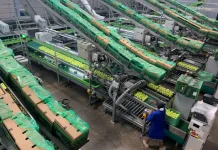




The global food industry is evolving at breakneck speed. Now, people care more about the origins of their food. They want safe food. They want healthy food. And most importantly, they want food that doesn’t hurt the planet.
With this transformation, sustainable farming is taking off all over the world.
Sustainable farming is the practice of growing food while taking care of the planet as well. It also means less reliance on chemicals, less water use, and better soil health. Farmers are now planning not only for the current harvest.
Why Sustainable Farming Is Rising Globally
The growth drive may be manifold. Some of the main reasons are:
1. Climate Change Pressure
Weather patterns are changing.
- Irregular rainfall
- Extreme heat
- Unexpected floods
These problems reduce crop yield. And so, farmers are finding eco-friendly methods to shield their farms.
2. Consumer Awareness
Modern consumers read labels. They check how food is grown.
- Organic products are in demand
- Chemical-free vegetables are preferred
- Sustainable brands attract more buyers
As a result, they’re pressuring farmers toward green practices.
3. Soil Health Concerns
Excessive use of chemical fertilizers has rendered the land infertile in many places. Sustainable farming focuses on:
- Crop rotation
- Natural compost
- Reduced pesticide use
This allows the land to remain productive for decades
Key Practices in Sustainable Farming
There’s no such thing as sustainable farming, after all. It’s a combination of many different things that all work together.”
• Crop Rotation
Farmers raise different kinds of crops during different times of the year. This keeps soil nutrients balanced.
•Drip Irrigation
Water is applied directly to the plant root. This is a water-saving way to avoid waste.
• Organic Fertilizers
Using natural compost and manure increases soil quality without polluting it.
• Reduced Tillage
Reduced ploughing helps soil structure and reduces erosion.
• Smart Machinery
Precision farming is now available with modern tractors and instruments. For instance, several farmers also opt for tools such as Sonalika tractor models that promise to incentivise fuel efficiency and high performance. The less fuel and time it takes to take the land, the more sustainable the future of farming will be.
Impact on the Global Food Industry
It is not only farmers, but sustainable farming is also helping. It is also revolutionising the entire food supply chain.
1. Food Brands Are Changing
Food giants now hype with sustainable sources. They highlight:
- Low carbon footprint
- Ethical farming
- Eco-friendly packaging
This builds trust among consumers
2. Export Opportunities
As sustainable as it is, “there are a lot of countries that would rather import that food than grow it in their own country,” he added. Farmers doing green measures can more easily access world markets.
3. Higher Long-Term Profits
While sustainable farming might necessitate some initial investment, it cuts the costs in the long run. Healthy soil means better yield. Using less water costs you less.
Role of Technology in Sustainable Farming
Technology is a prominent driver of this change.
- GPS-based farming improves accuracy.
- Soil sensors monitor nutrient levels.
- Drones check crop health.
- Modern tractors improve efficiency.
Tractors, for instance, which are fashioned to save fuel and work more precisely, help farms reduce emissions. And this is why there’s an increasing demand for modern machinery such as Sonalika tractor models in the sustainable farming regions.
Technology does not replace farmers. Instead, it helps them make more intelligent choices.
Benefits of Sustainable Farming
There are many benefits to the rise of sustainable farming:
✔ Protects soil fertility
✔ Reduces water waste
✔ Lowers pollution
✔ Improves crop quality
✔ Supports biodiversity
✔ Long term increase in income to the farmer
These advantages make it a good candidate for future food security.
Challenges Still Exist
While there is growth, sustainable agriculture has some challenges:
- Cost of modern machines high at the outset
- Unawareness in rural side
- Limited training programs
- Market access issues
But governments and private partners are combining forces to address these challenges. Farmers are being encouraged through subsidies and training workshops, as well as financial support, to switch to environmentally sound farming practices.
The Future of Sustainable Farming
Sustainability is the future of the world’s food system. The population is growing. Food demand is increasing. But natural resources are limited.
That is why farming has to be both smarter and greener.
We’ll have to see in the years ahead:
- More organic farming zones
- Stronger environmental regulations
- Increased use of precision machinery
- Growth in sustainable food brands
Farmers who modernize and employ responsible practices will remain competitive. Sustainable farming is no longer a fad. It is becoming a necessity.
Conclusion
Sustainable farming is coming of age, transforming the food industry worldwide. It protects the environment. It improves soil health. It provides for farmers and fulfills consumer demand.
And thanks to increased consciousness, sophisticated technology and environmentally friendly practices, farming is headed in a greener direction. The use of the latest farming equipment that ranges from reliable sources like Sonalika tractor models also ensures that farms become more productive and sustainable.
Sustainable farming has gone beyond today’s crops. It’s about finding food for the next meal.
About the Author:
Nishigandha Thopate is an independent content writer with a strong interest in agriculture and tractor-related topics. She creates informative and practical content for farmers and industry readers through KhetiGaadi.com, focusing on modern farming, farm machinery, and agricultural trends.