World Oceans Day, observed annually on June 8th, is a global initiative to raise awareness about the importance of our oceans and the urgent need to protect them. In South Africa, a nation blessed with a stunning 2,798-kilometer coastline along the Atlantic and Indian Oceans, this day holds special significance. From the vibrant marine ecosystems of the iSimangaliso Wetland Park to the rich biodiversity of the Cape Peninsula, South Africa’s oceans are a vital part of its natural heritage.
Why Oceans Matter to South Africa
South Africa’s oceans are not just a source of beauty—they are essential for:
-
Biodiversity: Home to great white sharks, African penguins, humpback whales, and the endangered loggerhead and leatherback turtles, South Africa’s waters are a hotspot for marine life.
-
Economy: The fishing industry supports thousands of jobs, while coastal tourism attracts millions of visitors annually.
-
Climate Regulation: Oceans absorb CO₂ and help mitigate climate change, making their protection crucial for future generations.
Threats to South Africa’s Marine Ecosystems
Despite their importance, South Africa’s oceans face severe threats, including:
-
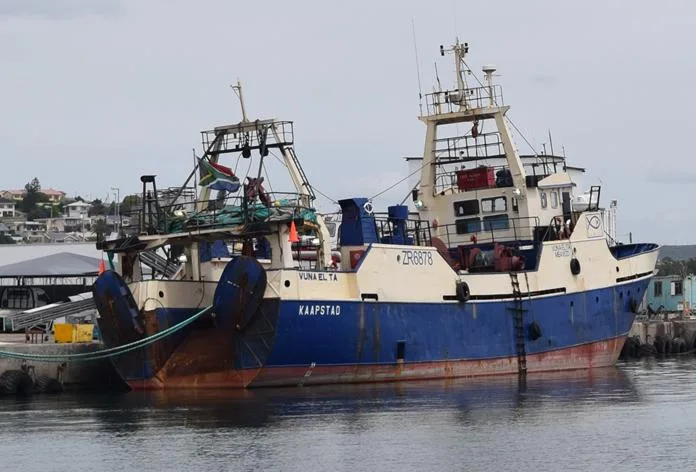
Overfishing: Illegal and unsustainable fishing practices endanger species like abalone and West Coast rock lobster.
-
Plastic Pollution: Beaches in Durban, Cape Town, and Gqeberha are increasingly littered with plastic waste, harming marine life.
-
Oil and Gas Exploration: Offshore drilling poses risks to marine ecosystems, particularly along the Wild Coast.
-
Climate Change: Rising sea temperatures and ocean acidification threaten coral reefs and fish populations.
How South Africa is Taking Action
In celebration of World Oceans Day 2024, South Africa is stepping up efforts to safeguard its marine environments through:
1. Marine Protected Areas (MPAs)
South Africa has expanded its MPAs, including the Agulhas Front and Benguela Bank, to conserve critical habitats. These zones restrict harmful activities, allowing ecosystems to recover.
2. Beach Clean-Ups and Plastic Bans
Organizations like Clean C and Two Oceans Aquarium lead beach clean-ups, while government policies aim to reduce single-use plastics.
3. Sustainable Fishing Initiatives
Programs like WWF-SASSI (Southern African Sustainable Seafood Initiative) educate consumers and businesses on choosing sustainable seafood.
4. Youth and Community Engagement
Schools and NGOs host educational workshops, empowering young South Africans to become Ocean Champions.
How You Can Help
This World Oceans Day, you can contribute by:
-
Reducing plastic use (bring reusable bags, bottles, and straws).
-
Participating in beach clean-ups (check local events in Cape Town, Durban, or Port Elizabeth).
-
Supporting sustainable seafood (look for the SASSI green-listed fish).
-
Spreading awareness on social media using #WorldOceansDay and #SaveOurOceans.
Conclusion
South Africa’s oceans are a treasure that must be protected for future generations. This World Oceans Day, let’s commit to conserving our marine ecosystems, advocating for stronger policies, and inspiring others to take action. Together, we can ensure that South Africa’s blue heritage thrives for years to come.
Happy World Oceans Day, South Africa!