






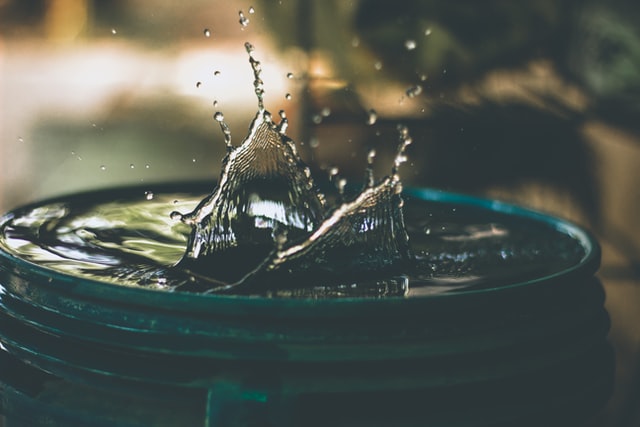
The water on Earth now is the same that existed when the Earth was formed. This is made possible by recycled water, which occurs naturally due to human technology. The Earth’s water is naturally reused; however, water reuse in the world population employs technology to accelerate the process through techniques such as repurposing wastewater for various activities. One of the primary benefits of recycling and reuse is that it minimizes the amount of water that must be extracted from natural environments.
The Importance of Water Reclamation Systems
When you reuse the water you use in your location, you eliminate the need to draw water from other places. Many regions with abundant clear water have sensitive ecosystems that struggle when the water is withdrawn. When water is reused and recycled, it is easier for regions such as the wetlands to maintain their water sources.
Recycling water reuses wastewater, such as sewage, rather than dumping it into a nearby river or ocean, where it might spread pollutants and damage aquatic life.
While wastewater may be exceedingly harmful to rivers and seas, Environmental protection Agencies warn that recycled water frequently has qualities that are particularly good for irrigating and fertilizing farms. Recycled water frequently includes high quantities of nitrogen, which, although harmful to aquatic life, is necessary for plant growth.
Wetlands serve the environment by providing habitat for wildlife, reducing floods, enhancing water quality, and creating a safe breeding site for fish populations. On many occasions, recycled water may be reintroduced to dry wetlands, allowing them to re-emerge as a lush ecosystem.
When water is taken from rivers and seas for use in things like irrigation and wetlands, it depletes the water supply. When you reuse water and utilize it instead, you reduce the amount of drinking water that may be lost. This ensures that future generations have access to the greatest quantity of water feasible for their consumption needs.
Water Treatment Guide
1. Pretreating Water
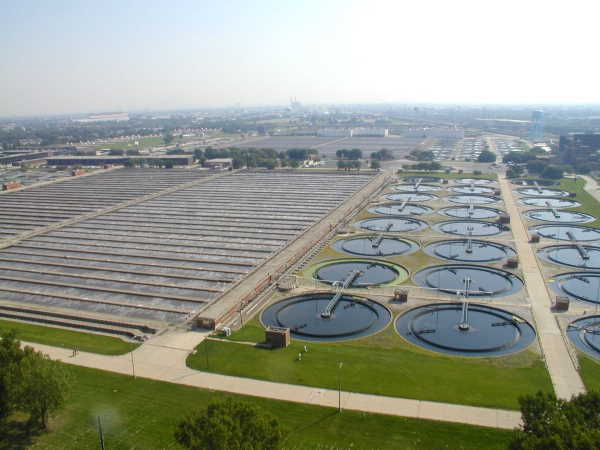
During the pretreatment process, wastewater facilities remove the “easy pickings.” Large things and other waste products are raked away by a series of bar screens. Equalization basins and other types of grit chambers manage the rate of water intake in many plants, allowing stones, sand, and glass to settle out.
The basins are used to store sewage till it is appropriate for processing and to control overflows caused by severe rains. During pretreatment, some facilities skim oils and lipids off the water’s surface, often utilizing air blowers to whisk the greasy debris into a froth for easy disposal. During initial treatment, other plants remove grease.
2. First Stage Of Treatment
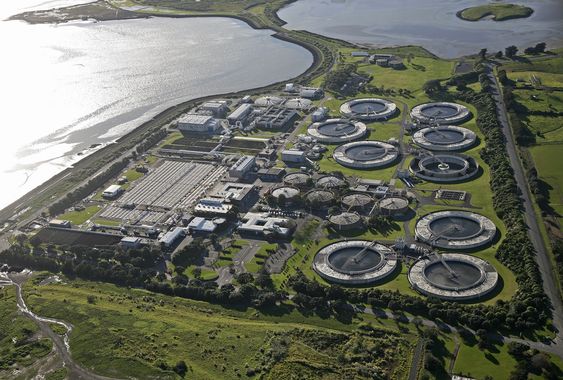
Following pretreatment, wastewater is collected in clarifiers, which are enormous basins with sedimentation tanks. Smaller particles settle out due to gravity. Automated scrapers collect solid debris and route them to hoppers linked to the treatment equipment for sludge.
If the facility didn’t withdraw oil slick during the pretreatment phase, it does so now with surface skimmers. Some plants employ machinery to saponify gathered fats by combining them with lye, resulting in the production of soaps and glycerol.
3. Second Treatment Phase
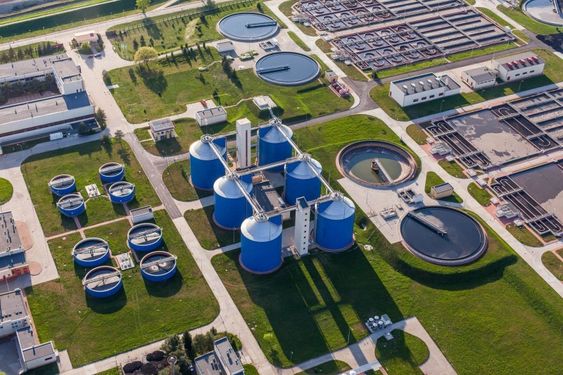
Plants subsequently aerate and stir wastewater in additional basins, introducing helpful microbes to decompose the organic into sludge. Plants use a variety of different techniques to decompose sludge.
Other facilities combine biomass with garbage to produce activated sludge, which may be recycled and reused. Carbon and nitrogen are removed from organic wastes by the resultant biological floc. On the surface, in lagoons, or filter beds comprising coked coal and limestone, oxidation can occur. Some institutions build marshes and reed beds to help organic materials degrade. The wastewater that results gathers and sits in a second clarifier tank.
4. Treating The Sludge
The next step is to treat the residual water and biosolids, often known as sludge. Organic trash is separated from heavier grit by gravity and may be disposed of at a landfill. The residual primary sludge is spun and sent to digesting vessels containing anaerobic bacteria after passing through a thickener. These tanks generate methane, which is used to operate the facility.
The Bottom Line
For low-cost water recycling practices, incorporate the use of quality pex pipes to transport the water into farms and other places for reuse. A water reuse and treatment facility cleans sewerage and water before returning it to the environment. As stated in the preceding article, they obtain these effects through the 4 stages of the procedure. If necessary, reread. There’s no doubting the advantages that this practice provides, so give it a go and help the environment today.






