



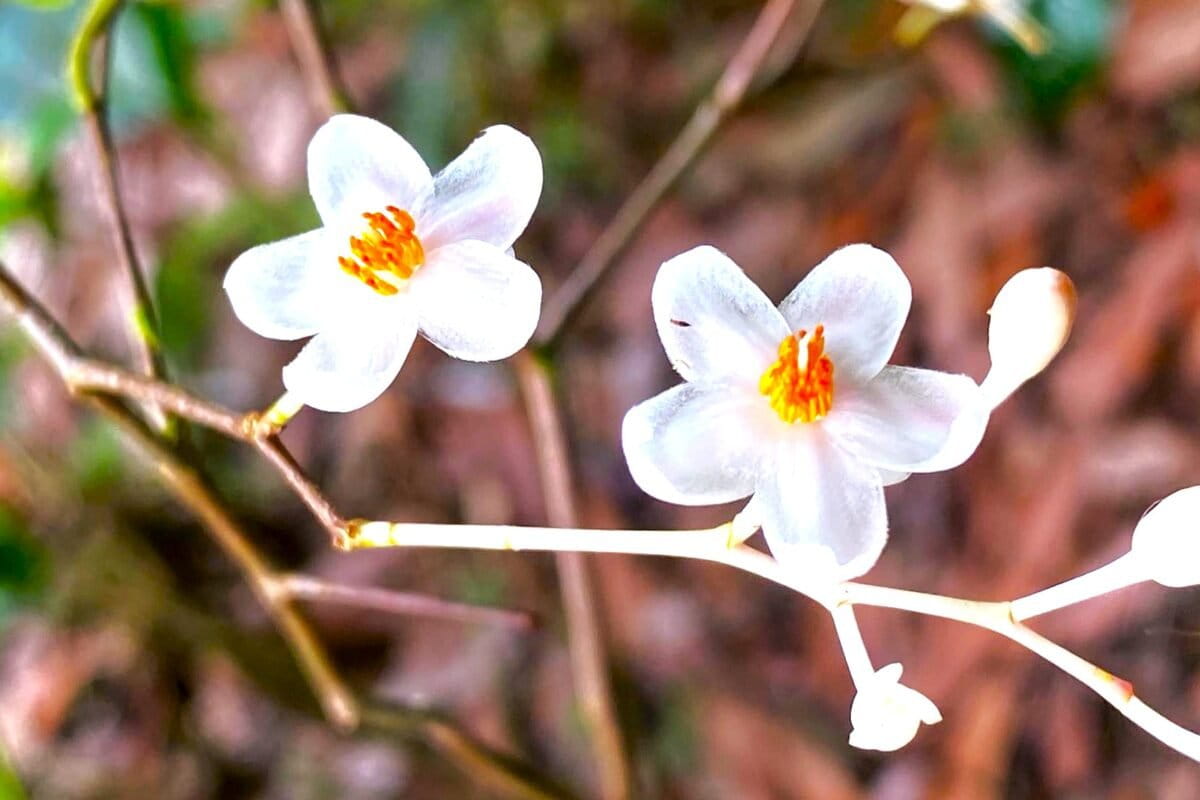
COLOMBO — In 2012, Sri Lanka’s National Red List delivered a grim verdict on endemic Pini- Beraliya, the towering dipterocarp Doona ovalifolia (syn. Shorea ovalifolia) tree by categorizing it as “extinct in the wild.” For decades, the species was known mainly from a single cultivated specimen in the Royal Botanic Gardens in Peradeniya in central Sri Lanka. That solitary tree, rising above the landscaped grounds, became a living relic of a vanished rainforest giant, a symbol of both loss and the faint hope that somewhere, perhaps, the species still survived. The first clue that Pini-Beraliya might still exist in the wild surfaced unexpectedly via a Facebook post. In May 2018, a member of the Facebook group “Medicinal Plant Identification” posted about the tree, requesting the group’s hundred thousand members to report any sightings. Within hours, Lasith Prageeth from Ayagama in Ratnapura district responded, “We have this tree in our village.” At first, the group’s administrators were cautious. Several related dipterocarp species occur in Sri Lanka, and misidentifications are common, so they requested photographs from Prageeth. When he uploaded images of the leaves, botanists quickly recognized it as a member of the Beraliya family. Still, confirmation required more than leaves. Pini-Beraliya seeds, with their distinctive two-winged fruits typical of the Dipterocarpus family, are adapted for wind dispersal. Image courtesy of Amila Perera. How rediscovery happened Curious and excited, group administrator Bhathiya Gopallawa suspected it might be just a small Beraliya sapling. But to his amazement, Prageeth revealed it was a fully…This article was originally published on Mongabay
This story first appeared on Mongabay
This article is licensed under a Creative Commons Attribution-NoDerivatives 4.0 International License.
You may republish this article, so long as you credit the authors and Mongabay, and do not change the text. Please include a link back to the original article.