The need for long-term, year-round commitment to protecting our planet is more urgent than ever. A shift toward renewable energy highlights just how critical that change is. From solar and wind to hydropower, clean energy alternatives offer a path forward in reducing our reliance on fossil fuels and creating a more sustainable future for all.
In the world of last-mile delivery, embracing renewable energy and sustainable practices isn’t just a trend; it’s a necessity.
This year’s spotlight is on renewable energy, with solar, wind, and hydropower emerging as key alternatives to fossil fuels. Embracing these clean energy sources is not just a trend—it’s a necessary shift toward a more sustainable future.
However, businesses should adopt ecological practices throughout the year, not just when it’s convenient or necessary. In addition to the environmental benefits, an increasing number of consumers are choosing service providers and brands that promote sustainable business strategies. Despite the escalating cost of living, individuals are willing to pay, on average, 9.7% more for “sustainably produced or sourced goods,” according to a study by PwC1.
Many studies show a clear shift in consumer preferences, emphasizing the growing importance of businesses adopting eco-friendly practices. It’s not just about helping the environment—it’s also a smart move for the bottom line.
While this is important in all business sectors, it is especially imperative in the last-mile delivery industry. Traditionally, logistics and last-mile deliveries generate high levels of pollution due to the amount of packaging waste required and the CO2 emissions resulting from the deliveries. However, with regulatory pressure and environmental and social responsibilities, many have elected to be greener.
Fastway Couriers, for example, has introduced several initiatives to reduce its carbon footprint and promote more sustainable business approaches. One initiative involves the head office recycling all delivery packaging and boxes, partnering with a local recycling centre.
In addition, last-mile delivery experts have recently investigated reusing packaging materials, reducing costs, and lightening their environmental footprint. In Johannesburg alone, more than 100 courier franchisees have gone paperless, relying on advanced scanners for electronic signatures and reducing their paper usage.
Other sustainable practices include reusing cages, pallets, and even sugar bags—items that would typically be discarded in favour of new ones. “We’re particularly proud of our own and our franchisees’ commitment to reducing environmental impact,” said Damian Velayadum, Group Financial Director at Fastway Couriers.
“While having our vehicles on the road is part of the business, we’re always looking for ways to reduce fuel consumption—whether through more efficient vans, optimised routes, or eventually transitioning to electric vehicles. In the meantime, some of our franchisees have already taken the initiative to convert their vehicles to LPG, which lowers emissions and is therefore cleaner for the environment,” he added.
Although electric vehicle (EV) adoption in South Africa is still gaining momentum, some retailers have already begun integrating battery-powered vehicles into their operations for local and short-distance deliveries. In 2023, Woolworths became the first local retailer to introduce an electric delivery van fleet2. These vehicles, capable of covering approximately 300 km per day, are well-suited for daily trips between depots and nearby destinations. As EV technology advances, offering longer ranges at more affordable prices, they are poised to become an ideal solution for the logistics industry, which often requires vehicles to cover over 400 km per day with minimal downtime for charging.
Of course, there are numerous ways that logistics companies can implement greener practices. One such practice is more innovative route planning. Many companies employ AI-powered logistics tools that help couriers cut fuel use by optimising delivery routes in real time. Less backtracking and idling mean fewer emissions and faster deliveries.
As technology evolves and consumer expectations shift, sustainability will no longer be a competitive edge—it will be a business necessity. Companies that take action now are not only investing in the planet but also securing their place in a greener, more efficient future.”
Source:
- https://www.pwc.com/gx/en/news-room/press-releases/2024/pwc-2024-voice-of-consumer-survey.html
- https://www.woolworthsholdings.co.za/woolworths-new-fleet-of-electric-online-delivery-vehicles-are-on-the-road/
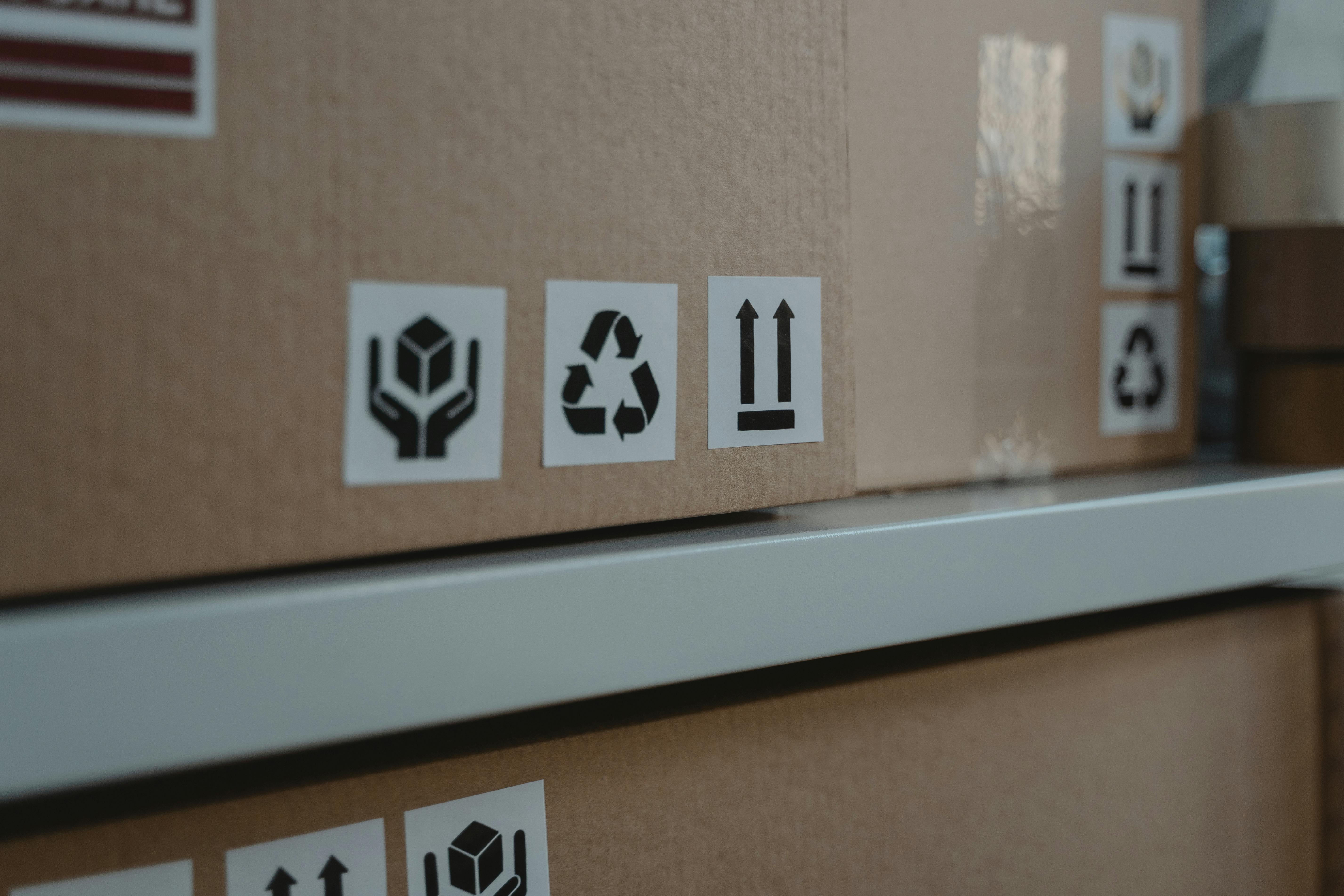
Recycled Packaging