The Awakening Testnet is quickly earning its place as the best blockchain testnet of 2025, proving that BlockDAG isn’t just theory, it’s functional infrastructure in action. While most projects simulate performance, BlockDAG validated its core chain live, eliminating the outdated UTXO model in favor of a smart account-based structure.
Backed by real miners, Stratum sync, and live dashboards, the testnet showcased seamless operation across wallets, nodes, and tools. With $420 million raised and an ROI of 2940% delivered since Batch 1, BlockDAG’s growth, technical execution, and testnet success set it apart. This isn’t just preparation; it’s a preview of a blockchain ready for real-world deployment.
How BlockDAG Replaced the Legacy UTXO Model
The Awakening Testnet marked the complete validation of BlockDAG’s core chain, setting it apart from traditional blockchains that depend on the UTXO (Unspent Transaction Output) model. This older model, famously used by Bitcoin, often leads to network inefficiencies and complex validation layers.
BlockDAG, by contrast, has replaced the UTXO system with a smart account-based structure, allowing for parallel transaction verification and faster block confirmation times. This upgrade means transactions can be confirmed simultaneously rather than sequentially, enabling the network to scale effortlessly without compromising on security or decentralization.

The Awakening phase confirmed that this architecture doesn’t just work in theory; it performs consistently under real operational loads. Users participating in the testnet experienced seamless wallet integrations, uninterrupted node syncing, and efficient validation speeds, proving BlockDAG’s technical soundness before launch.
Miners Synchronize Through the Stratum Protocol
A cornerstone of the Awakening Testnet was its minor synchronization via the Stratum protocol, a critical feature for maintaining efficiency across distributed hardware. The Stratum protocol miner sync allowed thousands of miners to connect to the network using lightweight communication channels, drastically reducing latency and ensuring balanced workload distribution.
Unlike traditional testnets that rely on simulated hash rates and virtual miner nodes, BlockDAG’s Awakening Testnet employed actual mining hardware, syncing live devices across multiple regions. This approach validated BlockDAG’s claim of delivering a mining experience that’s both profitable and stable.
The X10 mining rigs, for instance, demonstrated consistent performance under live network conditions, proving their efficiency in processing transactions in a decentralized setup. The result was a flawlessly coordinated network where miners, wallets, and explorers all communicated in real-time, with zero recorded downtime during the primary test phase.
Infrastructure and Tools Built for Real-World Launch
One of the strongest indicators that the Awakening Testnet was more than just a simulated environment lies in its infrastructure integration. BlockDAG’s ecosystem includes explorer tools, miner dashboards, and smart account preparation modules that bridge the gap between testnet and mainnet readiness.
Participants were able to monitor transactions live through the testnet explorer, analyze block generation rates, and evaluate mining performance metrics directly from their dashboards. The smart account preparation tools streamlined wallet activation and syncing for both new and returning users, minimizing the technical friction often associated with blockchain onboarding.
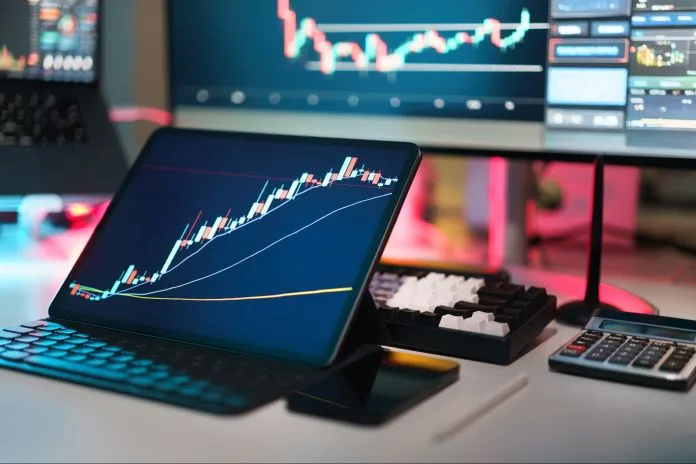
This hands-on environment showed BlockDAG’s focus on deployment-readiness, a step that very few projects achieve at the testnet stage. By ensuring that both the backend infrastructure and user interface components operated smoothly under realistic network traffic, the Awakening Testnet validated BlockDAG’s operational maturity.
Why the Awakening Testnet Signals Launch Readiness!
The Awakening Testnet wasn’t simply an internal trial; it was a declaration that BlockDAG’s architecture, consensus mechanisms, and mining systems are ready for live deployment. Unlike other blockchains that spend months fine-tuning after simulated testing, BlockDAG’s decision to conduct a full-scale, live-environment trial displays a level of transparency and preparedness that inspires confidence among investors and developers alike.
With the Stratum protocol miner sync providing consistent connectivity, the core chain validation showing stability under real load, and infrastructure tools ready for user adoption, BlockDAG’s ecosystem stands at the brink of a seamless transition to mainnet.
As the presale races toward completion, the numbers tell a compelling story: $420 million raised, 27 billion coins sold, and a 2940% ROI since inception. For those watching from the sidelines, this isn’t just a blockchain project preparing for launch; it’s a verified, field-tested network proving it’s built to handle the real world.
Final Thoughts
The BlockDAG Awakening Testnet has redefined what a blockchain test environment can achieve. By merging real hardware, miners, and live participants into an interconnected test phase, it bridged the gap between simulation and deployment. The validation of its core chain, the removal of legacy UTXO constraints, and successful Stratum protocol miner sync confirmed that BlockDAG isn’t testing ideas; it’s executing them.
With presale pushing past $420 million and the coin still briefly available for $0.0012, BlockDAG stands out as one of the best blockchain testnet success stories in recent memory. The Awakening proved one thing beyond doubt: this wasn’t practice, it was proof that BlockDAG is ready for the real world.

Presale: https://purchase.blockdag.network
Website: https://blockdag.network
Telegram: https://t.me/blockDAGnetworkOfficial
Discord: https://discord.gg/Q7BxghMVyu
Disclaimer
The information provided in this article is for educational and informational purposes only and should not be construed as financial, investment, or legal advice. Cryptocurrencies and blockchain investments are highly volatile and involve significant risk, including the potential loss of capital. Always conduct your own research (DYOR) and consult with a qualified financial advisor before making any investment decisions.