


Introduction
Waterways are the arteries of global trade, environmental balance, and community development. From bustling ports to rural canals, their health is directly tied to how well they are maintained. One of the most essential yet often overlooked components of this upkeep is dredging services. Dredging ensures that waterways remain navigable, flood-resilient, ecologically sound, and economically viable. This article explores the strategic importance of dredging in waterway maintenance and why it’s vital to both natural and human-made water systems.
Understanding Dredging Services
Dredging is the process of removing accumulated sediment, debris, and pollutants from the bottom of lakes, rivers, harbors, and other water bodies. Over time, sediment builds up due to natural erosion, storm runoff, or industrial activity, reducing water depth and flow capacity.
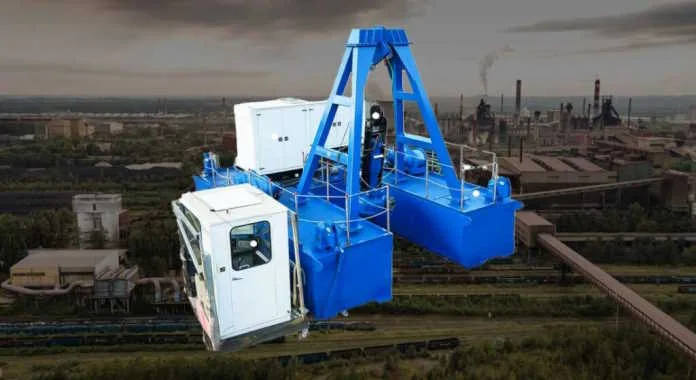
Dredging services can involve a range of equipment and techniques, such as:
- Hydraulic dredgers, which use suction to remove loose materials
- Mechanical dredgers, which include clamshells and backhoes
- Environmental dredgers, designed for minimal turbidity in sensitive areas
Each dredging method is selected based on water depth, sediment type, and environmental impact, ensuring tailored solutions for each project.
Why Do Waterways Demand Continuous Attention?
Waterways require continuous attention because, unlike fixed infrastructure, they are dynamic systems influenced by natural forces and human activity. Currents, sediment transport, vegetation growth, and industrial impact constantly reshape their form and function. Without regular maintenance, waterways can experience siltation and sediment builds, resulting in shallower channels; obstructed flow, which raises the risk of flooding; and deteriorating water quality due to sediment-bound pollutants.
Additionally, neglected waterways pose navigation hazards from submerged debris and shoaling. Proactive dredging plays a critical role in mitigating these issues, maintaining safe navigation, supporting ecological health, and preventing costly damage over time.
The Role of Dredging in Navigation Safety
Safe navigation is one of the primary reasons for conducting dredging operations. Over time, sediment accumulation reduces depth and alters channel profiles, making it hazardous for vessels to pass through.
Dredging ensures navigation safety by:
- Maintaining minimum depth requirements for commercial and recreational vessels.
- Removing underwater obstructions and debris.
- Creating or restoring navigation channels and turning basins.
- Ensuring compliance with maritime regulations.
For ports, harbors, and inland waterways, dredging directly supports operational uptime, prevents grounding incidents, and reduces liability risks.
Flood Control & Stormwater Management
One of the lesser-known benefits of dredging services is their role in flood control and stormwater management. As sediment builds up, the carrying capacity of rivers and canals diminishes, leading to overflow during heavy rains or storms.
Strategic dredging can:
- Increase channel depth and water retention capacity.
- Improve drainage in flood-prone urban and agricultural areas.
- Reduce hydraulic pressure on levees and flood barriers.
- Minimize economic and human losses from seasonal flooding.
In regions affected by climate change and extreme weather, dredging is becoming a critical adaptation measure to ensure resilience.
Economic Impact on Ports and Harbors
In the dredging industry, maintaining ports and harbors through regular dredging is essential for sustaining economic activity and regional growth. Ports serve as vital economic hubs, and without consistent dredging, their ability to accommodate large cargo vessels diminishes, leading to disruptions in logistics and shipping operations.
Dredging services support maritime industries such as fishing, tourism, and shipbuilding, while also enhancing infrastructure to attract further investment. A properly maintained harbor boosts cargo throughput, minimizes demurrage costs, and strengthens global trade competitiveness. In this context, dredging is not merely an operational expense but a strategic investment in long-term economic sustainability.
Challenges in Dredging Operations
Dredging operations, while essential for maintaining waterways and supporting infrastructure projects, present several complex challenges within the dredging industry. Environmental sensitivity is a primary concern, as dredging activities can disturb aquatic ecosystems, resuspend pollutants, and negatively impact marine life if not carefully managed. Regulatory complexity adds another layer of difficulty, with projects often requiring multiple permits from various governmental bodies.
The safe disposal of contaminated sediment also poses logistical and environmental hurdles, often necessitating secure containment or treatment solutions. Additionally, public opposition may arise due to concerns about noise, water quality, or community displacement. Budget constraints further complicate efforts, particularly for publicly funded projects with limited financial resources. To overcome these obstacles, successful dredging initiatives in the dredging industry rely on detailed planning, proactive stakeholder communication, and strict adherence to environmental best practices.
Modern Technologies in Dredging Services
The dredging industry has adopted a range of modern technologies to enhance project outcomes and address environmental and operational challenges. GPS and sonar-based systems allow for precise sediment removal, improving accuracy and minimizing unnecessary disruption. Real-time turbidity monitoring helps control sediment suspension, ensuring compliance with environmental standards.
Eco-friendly dredging heads are designed to reduce harm to aquatic habitats, while dewatering systems lower the volume and toxicity of dredged material for easier disposal. Additionally, the use of autonomous and remote-controlled dredgers increases safety and efficiency, particularly in hazardous or hard-to-reach locations. Collectively, these innovations improve project precision, reduce environmental impact, and help lower overall operational costs.
Conclusion
Dredging services are far more than a mechanical process—they are foundational to the health, safety, and sustainability of waterways worldwide. Whether it’s keeping ports open, preventing floods, or revitalizing aquatic ecosystems, dredging plays a pivotal role in shaping the landscapes and economies that depend on water.
For policymakers, engineers, port authorities, and environmental managers, investing in regular dredging is not just about maintenance—it’s about future-proofing infrastructure and natural systems against a rapidly changing world.