

The fundamentals of running a municipality focus on good governance, effective financial management, robust institutional capacity, and strong community engagement. Success is measured by the ability to prioritize residents’ needs, deliver high-quality services, and foster sustainable local development. Municipalities like the Weskus Distrik in the Western Cape are a necessary reminder that not only is it doable, but it has been done, consistently.
However, given challenges faced by municipalities, vision and innovation are essential.
Exemplary Track Record
Weskus Distrik has achieved fifteen consecutive clean audits from the Auditor General and was recognised as South Africa’s 2025 best run municipality by Ratings Afrika’s Municipal Financial Sustainability Index (MFSI).
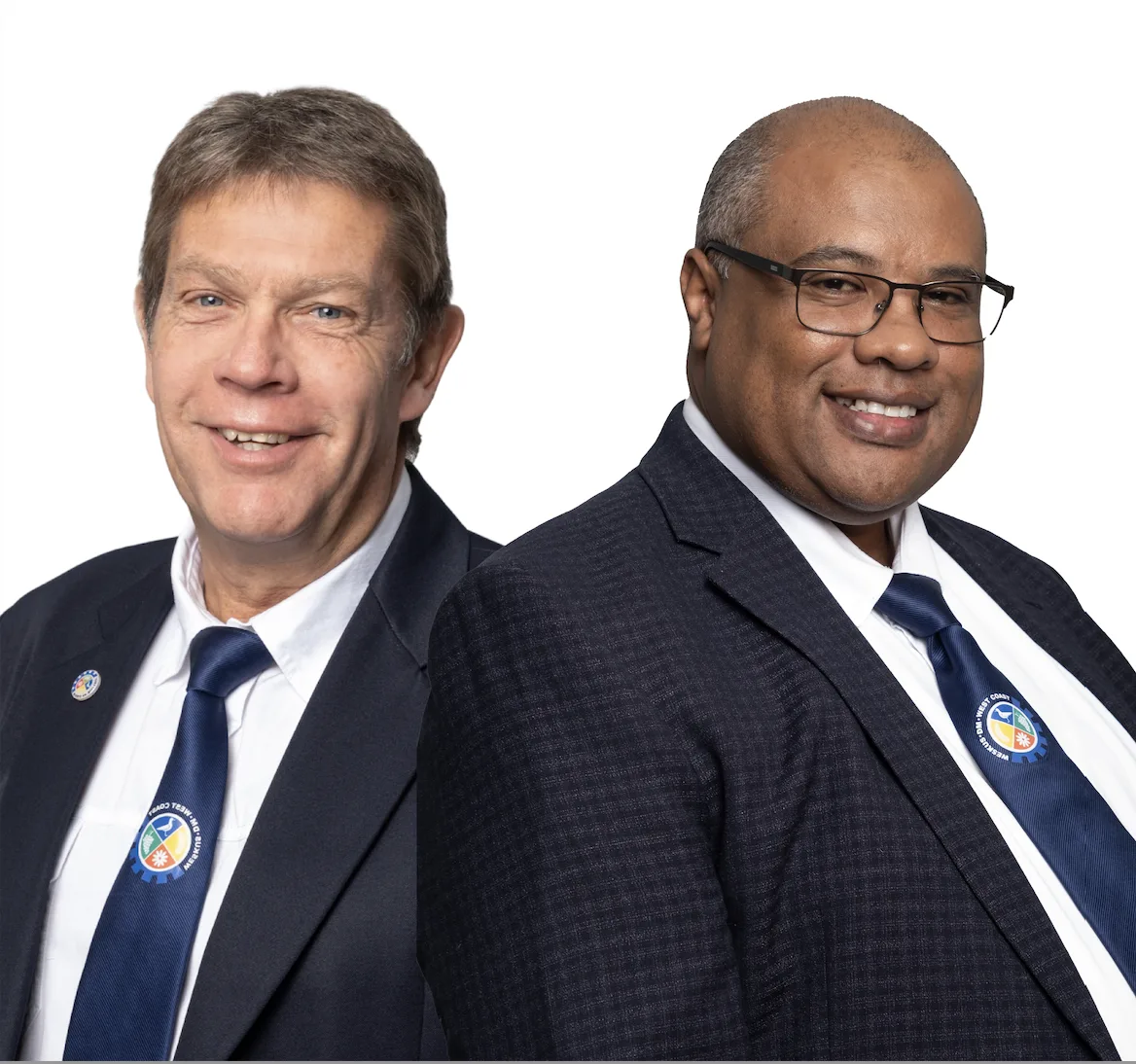
Executive Mayor RW ‘Boffie’ Strydom stated that their performance is due to a commitment to sound financial management, transparency, and good governance. It reflects the dedication of their administration team to uphold the highest standards of accountability, ensuring that public resources are managed responsibly and in the best interest of their communities.
“Weskus Distrik is structured no different than other district municipalities. It is however the synergy between political vision and administrative will, built on sound and transparent engagement and advice, that has set the tone for sequential clean audits”, says Mayor RW ‘Boffie’ Strydom.
Political Stability
Political stability is a cornerstone of Weskus Distrik’s success. It creates continuity, trust, and enables the realisation of medium-to long term vision. Complementing this is administrative consistency, which provides fulfilment of political vision. The administration arm enables decisive implementation of commitments made in strategic documents, such as the Integrated Development Plan (IDP).
Restoring Trust
Negative perceptions within the public sector present an opportunity to restore trust and create hope for South Africans.
“The entire Weskus Distrik team – both the political and administrative arms – work incredibly hard to deliver promised services to our community and stakeholders. Our performance, and that of other performing municipalities, serves to provide hope to South Africans while gaining the trust of our communities. We also ensure that our story reaches investors and funders because they are committed partners needed to provide infrastructure, essential services and sustainable solutions”, says Municipal Manager David Joubert.
Vision and Innovation.
Good governance and financial stability have created a springboard for innovation, and the Weskus Distrik team has never shied away from seeking alternative answers to old questions and have recorded several ‘firsts’ in the sector.
Examples include empowering the future generation, developing internal talent, forming the Business Innovation Hub, the landfill initiative, exploring new water purification methods, adopting AI- and IoT-led smart city applications, and an outbound approach to engaging with the private sector, among many others.
Consistent Purpose
“Whatever we do, is done with purpose. For example, a conference or dialogue is never about leisure. It’s always about bringing together delegates – the private and public sectors, and academics – to share, learn, collaborate and find solutions. Compliance is always the watchword in whatever we do. But the objective never changes – the delivery of planned and promised services, now and into the future”, concludes Municipal Manager David Joubert.
About Weskus Distrik
Weskus Distrik stretches from the border of Cape Town Metropole to the border of the Northern Cape. The district municipality and the five local municipalities – Swartland, Saldanha, Cederberg, Bergrivier and Matzikama – share the responsibility for ensuring that their communities, particularly disadvantaged communities, have equal access to resources and services.