


Paper business cards don’t really keep up anymore. They get lost, go out of date, or sit in someone’s drawer and never get used. In 2025, more professionals are switching to digital cards — not for style, but for convenience.
They’re quick to share, easy to update, and always with you. Whether you’re at a meeting, event, or just sending a follow-up message, a digital card makes the exchange simple.
Here are practical reasons why this shift is happening — and why it actually makes sense.
Instant Sharing Without the Awkward Pause
One of the biggest problems with paper cards is how clumsy the exchange can feel. You’re reaching into your bag, flipping through a stack, or apologizing because you left them at home. That moment slows down the connection.
Alex Vasylenko, Founder of Digital Business Card, explains, “With digital business cards, sharing your contact takes just a few seconds. Most apps let you create a QR code, a short link, or tap your phone to theirs using NFC. That means you can share your info instantly — without any digging around or small talk fillers.”
It’s also great when you’re not meeting face-to-face. If you’re networking over Zoom, chatting on LinkedIn, or following up via email, a digital card fits right in. You just send the link. Done.
HiHello is a great example here. You can store multiple versions of your card (for clients, events, or internal meetings).

Image Source: 2B Printing
And you can also add buttons for email, LinkedIn, calendar links, and more — all in one place.
Easy to Update
Things change. Your phone number. Your job title. Maybe your company name. With paper cards, even a small change means reprinting the whole batch—and tossing out the old ones. That’s time, money, and waste.
With digital business cards, updates are instant. Change your job? Update it once, and it reflects everywhere. No need to notify people or hand out new cards again. This flexibility matters in today’s work culture, where people change roles more often and wear multiple hats.
“In service-based businesses, you’re constantly adjusting—new hires, new service areas, new contact numbers,” says Kevin Pereira, Owner/CEO of ConvertLabs. “With digital cards, you make a quick update once, and your whole team stays aligned without the hassle of reprints or outdated info in circulation.”
It’s especially useful for freelancers and consultants who work with different clients or projects throughout the year. Instead of managing stacks of cards, they can keep one card updated in real time.
Works Better With the Tools You Already Use
Digital business cards don’t just hold your name and number—they fit right into your workflow. Most tools connect easily with the apps you already rely on: LinkedIn, Google Contacts, Apple Wallet, Outlook, CRMs, and even email marketing platforms.
Let’s say someone scans your card at an event. Instead of stuffing it in their pocket, they can save your info directly to their phone or CRM. No manual typing. No lost details. That’s a huge time-saver for both sides.
And it helps with follow-ups too. Some apps automatically remind you who you met, where you met, and when. That context makes it easier to build real connections, not just pass names around.
A good example of how this works in real life is Popl. Let’s say you’re attending a conference, meeting new leads back to back. With Popl, you don’t have to collect physical cards and enter everything into your CRM later.

Image Source: Popl
You just tap your phone, and their info goes straight into your system — whether it’s Salesforce, HubSpot, or another tool you use. Popl has built-in lead capture forms, so you can collect names, emails, job titles, even notes about the conversation on the spot.
Cost-Effective and Waste-Free
Printing high-quality business cards isn’t cheap—especially when you want them to look professional. You pay for design, printing, shipping, and sometimes even rush orders before events. And when your details change? You have to do it all over again.
Digital business cards cut those costs for good. You pay once — or use a free version — and that’s it. No more ordering 500 cards only to throw half away a few months later. It’s a smarter way to spend, especially if you’re running a small business or freelancing.
According to Anthony Mixides, Founder & CEO of Bond Media – Web Design London Experts, “In high-end branding, every touchpoint needs to reflect your identity — consistently and instantly. Digital cards let clients maintain that premium image without the repeated cost and waste of traditional printing.”
There’s also the waste. Most paper cards end up in the trash or forgotten in a drawer. That’s not just a lost opportunity — it’s unnecessary paper waste.
Digital cards help solve both problems. You only create what you need. You only send when it matters. And you don’t waste money printing backups “just in case.”
Lets You Add More Than Just a Name
A paper card gives your name, title, and maybe a logo. That’s it. But you’re more than that. You have a story to tell—a service, a style, a value you bring.
Digital business cards let you include much more. Links to your portfolio, a short video intro, social media profiles, or even a booking calendar. You can customize them for specific audiences, add visuals, or highlight your latest work.
That kind of detail gives people a reason to remember you. They’re not just seeing a name—they’re learning what you do and how you can help. This makes a big difference, especially in crowded events or fast-paced networking.
Blinq is a good example of this.
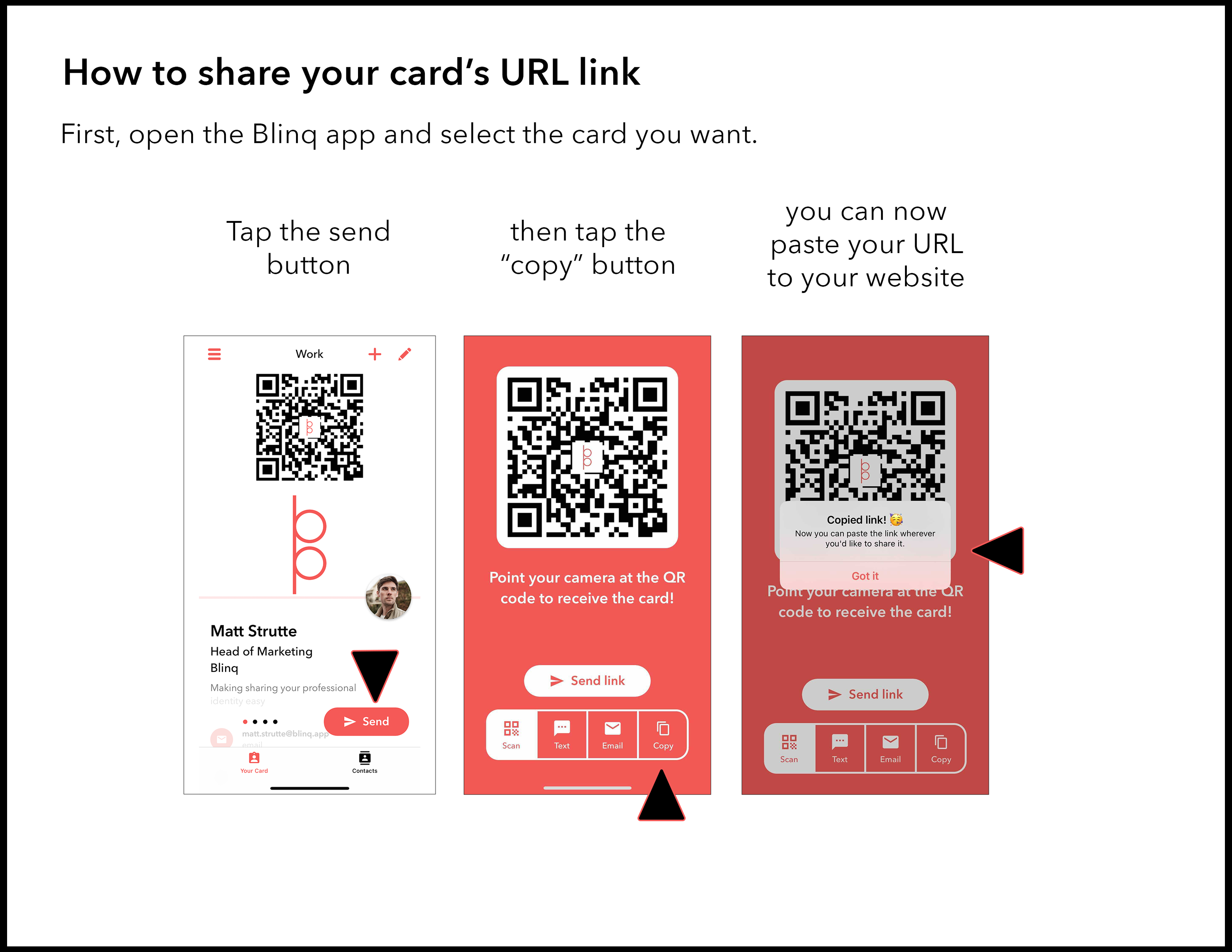
Image Source: Blinq
It allows users to build rich, branded cards that include custom links, call-to-action buttons, and even direct WhatsApp or Calendly connections. It’s like turning your card into a mini landing page.
The extra detail helps you stand out. And when it’s that easy to share, it works.
Great for Remote and Global Networking
In a world where people meet online more than ever, paper cards don’t keep up. You can’t hand a card to someone on a Zoom call. You can’t send one instantly to a potential client across the world. And even if you mail it, it’s slow, costly, and often unnecessary.
Digital cards solve that instantly. You can text, email, or drop your card into a meeting chat. It reaches anyone, anywhere — whether they’re in the next room or another country. That flexibility is a huge advantage for people working remotely, managing international teams, or freelancing across borders.
In an email interview, Morgan Dejoux, President of Granger Historical Picture Archive, said, “As someone preserving history through digital archives, I’ve seen how vital it is to make timeless things accessible instantly. Digital business cards bring that same idea into modern networking — instant, global, and built to last.”
Imagine hopping on a video call, and before the intro is even done, you’ve shared your contact details – clean, fast, and direct. Whether you’re networking at a virtual summit or closing deals from home, digital cards keep your connections flowing — without limits.
Looks More Professional in Today’s World
First impressions count—whether you’re pitching a service, closing a deal, or meeting a potential client for the first time. At that moment, handing over a paper card can feel outdated. A digital business card, on the other hand, signals that you’re organized, modern, and detail-oriented.
Instead of a generic piece of paper, you’re sharing a sleek, clickable card that includes your title, links, brand visuals, and even booking or contact options. Everything is accurate and instantly accessible—no smudged ink, no missing details.
“In today’s professional landscape, how you present yourself digitally can carry as much weight as how you show up in person,” shares Timothy Allen, Sr. Corporate Investigator at Oberheiden P.C.. “A well-crafted digital business card shows preparedness and professionalism before a single word is exchanged.”
Easier to Keep Track of New Contacts
Think about what happens after you collect 10 or 20 paper cards from an event. They end up in a drawer, a bag, or a pile on your desk. You forget who’s who, or why you even got the card in the first place.
With digital cards, it’s different. The contacts go straight into your phone or system, usually with notes or tags. Some apps even add location or time details, so you know exactly where you met someone.
This makes follow-ups easier. You’re not guessing which email belongs to which conversation, or trying to remember which person was the graphic designer from the workshop. Everything’s cleaner and more organized, which helps you stay in touch and build better professional relationships.
Fits the Way We Work Now
Work in 2025 isn’t tied to offices or business suits. People change roles more often, manage teams remotely, and jump between email, video, and chat every day. The old system of printed cards just doesn’t keep up.
A digital business card fits this fast-moving style. You can send it in a second—whether it’s through email, on a Zoom call, or inside a LinkedIn DM. You can create different versions for different contexts, and best of all, it stays current without any reprints.
Dana Ronald, President of Tax Crisis Institute, mentions, “Professionals today aren’t confined to one desk or one title. Digital business cards give you the flexibility to share accurate, updated details no matter where you’re working from — or who you’re talking to.”
This kind of flexibility matters more than ever. Whether you’re a freelancer, founder, remote manager, or someone juggling multiple ventures, your tools need to match your pace. A smart, digital card helps you stay prepared—wherever and however business happens.
Final Thoughts
Paper cards had their time, but they don’t really fit how we work anymore. In 2025, connections happen fast — online, offline, and everywhere in between. A digital business card keeps things simple. You share your info in seconds, stay updated without reprints, and actually get remembered. It’s easier, cleaner, and just makes more sense.
Whether you’re meeting one person or a hundred, it helps you stay ready and look professional. No more digging through drawers or guessing who’s who. Just real, useful contact that works when you need it. If you haven’t made the switch yet, now’s a good time.