



Connected systems have transformed deliveries, but outages and last-minute changes still need human judgement.
Modern logistics relies heavily on technology. Routes are planned digitally, shipments are tracked in real time, and data flows almost instantaneously between warehouses, drivers, and customers, giving operators clear visibility over where goods are and where they need to go.
That heavy reliance becomes a real headache when systems fail. In France, a recent cyberattack targeting refrigeration systems at hundreds of supermarkets disrupted cold storage controls, forcing retailers to throw away stock and temporarily close stores.
For logistics teams, everyday disruptions are usually less dramatic, but just as frustrating. A store might not be ready for a delivery, a dropped signal can cut off communication with central control, or a driver might get an instruction that contradicts what is on their screen.
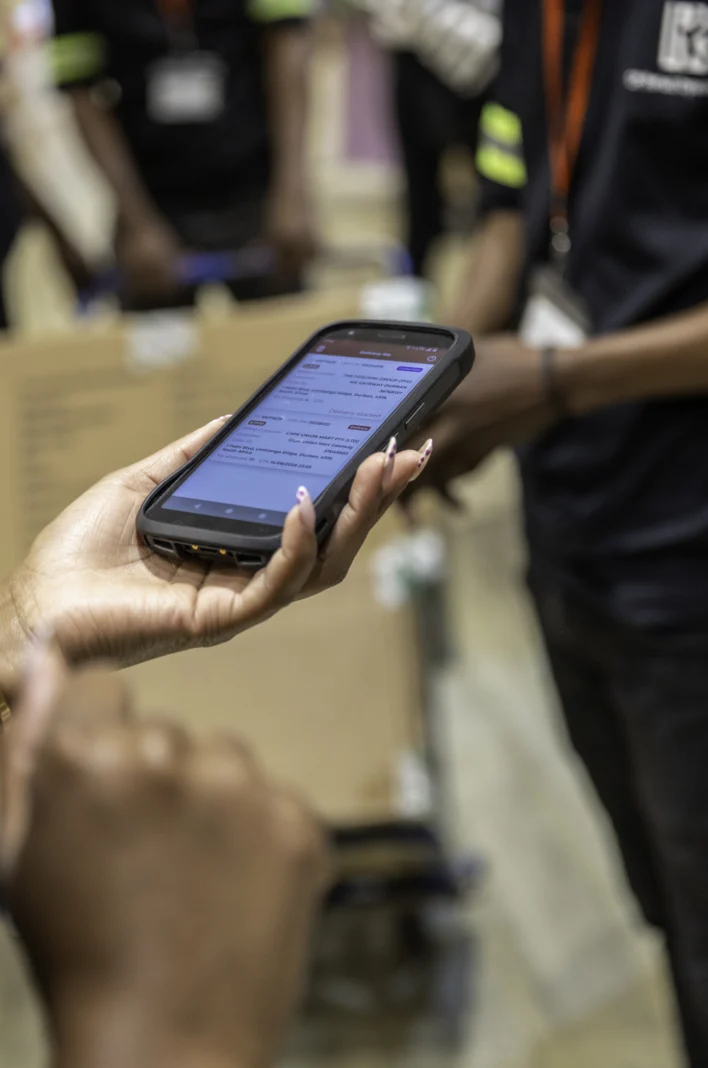
Some issues can be anticipated. At City Logistics, for instance, a driver’s handheld device stores route, customer, delivery-point, and consignment details locally alongside cloud backups. If the connection drops, drivers can still access their schedule, complete deliveries, and record scans, timestamps, and proof of delivery. Everything syncs back up once the signal returns.
While that keeps planned routes running smoothly, things get trickier when plans need to change on the fly. If a store cannot accept a delivery, the driver cannot simply proceed as planned. Instead, they pause the delivery, secure the cargo and flag the issue, allowing the authorised team to confirm with the client whether the shipment should be held, rerouted or returned.
The same safeguard applies to unexpected instructions received during an outage. A driver shouldn’t reroute cargo based on an unverified phone call or text. They need to verify changes directly with an authorised client contact using official channels, double-check details to avoid mix-ups, and log the request before acting.
Striking the right balance between flexibility and protocol is vital. When timing is critical, drivers and dispatchers need enough discretion to spot when something is off, while keeping final decisions firmly tied to established sign-offs.
Standards from the US National Institute of Standards and Technology highlight this exact point. Their operational guidelines recommend having clear manual backups and fallbacks ready before systems go dark, rather than making things up as you go during a crisis.
“The true measure of a logistics operation isn’t how smoothly it runs when everything goes right, but how well people handle things when data is missing, signal is lost, or plans change at the last minute,” explains City Logistics CEO Ryan Gaines. “Tech provides visibility and structure, but you still need clear lines of authority and experienced people who know how to make the right call under pressure.”
Automation has reduced much of the uncertainty in logistics, but some situations will still not go to plan. A store may be unable to receive stock, connectivity can drop out, or an instruction may change while a delivery is already underway. In those cases, the process still depends on people knowing what they are authorised to do, what to verify, and when to hold a delivery until they receive clear instructions.