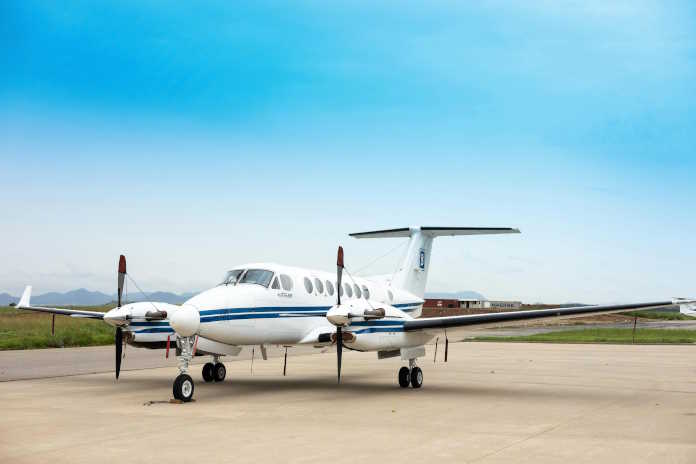
In private aviation, performance and accuracy coincide with the highest standards of care. Maintaining an airplane calls for tools and methods that fit its degree of quality, from elegant exteriors to sophisticated avionics. As aviation technology developed, private aviators have embraced a variety of specialized tools and systems to guarantee the optimal operation of their planes. These tools establish the basis for safety, efficiency, and longevity in a sector where excellence is non-negotiable, not just keeping planes airborne.
Advanced Hydraulic Systems and Their Role in Aircraft Maintenance
The foundation of many aircraft functions, such as braking systems, wing flap adjustments, and landing gear deployment, are hydraulic systems. The reliable performance of these systems under duress depends on regular maintenance of them. These important components are now tested, calibrated, and maintained using specialized hydraulic service units. For example, portable hydraulic power units let experts evaluate hydraulic performance right on the tarmac, therefore lowering the need for prolonged downtime.
Apart from precise control, these systems reduce the possibility of failures. Companies like Tronair, for instance, are well-known for producing premium hydraulic service tools catered to the particular requirements of aviation. These instruments guarantee flawless maintenance for high-performance aircraft by means of sophisticated safety elements and strong engineering. Their application extends beyond standard inspections; it helps to spot possible problems before they become significant, therefore safeguarding the aircraft and its occupants.
Engine Analysis and the Tools That Keep the Heart of the Aircraft Beating
Any aircraft’s engine is its heart, hence regular maintenance of it is crucial for maintaining the overall dependability and efficiency of the aircraft. Modern engine diagnostic tools have transformed the way private pilots approach this task. These instruments track engine performance, identify anomalies, and project-required repairs far in advance using sophisticated sensors and analytics.
Digital borescopes, which allow for thorough inspections of engine interiors without disassembling significant components, are among the most useful instruments available. Along with saving time, this helps to avoid needless maintenance-related damage. Furthermore, real-time information on variables like temperature, pressure, and vibration levels is provided by computerized engine trend monitoring systems.
Tire and Landing Gear Maintenance for Smooth and Secure Landings
The capacity of an aircraft to land safely and comfortably depends critically on tire and landing gear systems. Maintaining these parts requires specific instruments for tire inflation, pressure testing, and alignment corrections. The extreme conditions in which aircraft tires operate call for regular inspections to prevent wear and tear and punctures. Tire pressure is precisely measured using precision instruments, therefore guaranteeing their ability to withstand the great forces of takeoff and landing.
Maintenance of landing gear includes structural integrity, hydraulic actuator, and shock absorber inspection. The service of these components depends on premium jacks and lifting tools. Additionally employed are advanced calibration instruments to guarantee precise alignment and retractions of the landing gear. Every touchdown goes as seamlessly as possible because of this meticulous attention to detail, which improves safety and extends the lifetime of the landing gear.
Cabin and Avionics Systems: Maintaining the Modern Cockpit
Modern aircraft’s cockpit and cabin systems combine avionics, communication systems, and passenger conveniences to become centers of advanced technology. Ensuring both operating efficiency and passenger comfort depends on regular maintenance of these systems. Highly specialized avionics maintenance tools frequently involve software updates, electrical testing, and circuit diagnostics to guarantee systems like navigation and autopilot work faultlessly.
To guarantee the best performance in the cabin, air conditioning systems, lighting, and entertainment systems are kept serviced. Technicians use modern diagnostic tools to monitor and fix these systems, therefore guaranteeing a flawless experience for pilots and passengers alike. Investing in modern tools for cabin and cockpit maintenance will help private aviators preserve the sophisticated surroundings that make flying a private aircraft a truly unforgettable experience.
Corrosion Control and Exterior Maintenance for Longevity and Aesthetics
From UV radiation to moisture exposure, an aircraft’s exterior endures a range of environmental difficulties. Maintaining the structural integrity and visual appeal of the aircraft depends on corrosion management, so it is a fundamental component of maintenance. Even in difficult-to-reach areas of the airframe, problem areas are identified using specialized corrosion detection tools. Anti-corrosion treatments are then used to guard these areas from more damage once they have been found.
Cleaning and detailing are important aspects of exterior maintenance. Modern cleaning technologies are meant to eliminate contaminants without compromising the surface coatings or paint of the aircraft. Protective waxes and polishing tools guarantee that the aircraft not only looks perfect but also stays insulated against environmental wear and tear.
Conclusion
Private aircraft are meticulously cared for and maintained, underscoring aviation’s high standards of safety, efficiency, and comfort. Each aspect of maintenance, from avionics upgrades and corrosion control to hydraulic systems and engine diagnostics, calls for accuracy and specific tools. Private aviators guarantee their planes remain at maximum performance by adopting cutting-edge technologies and high-quality equipment, thus providing flawless and safe journeys every time they take to the skies.