


In today’s competitive business environment, warehouse and manufacturing operations face constant pressure to optimize costs while maintaining operational efficiency. One area offering significant potential for savings lies in forklift maintenance and repair through the strategic use of aftermarket parts. Understanding how to leverage these alternatives can result in substantial cost reductions without compromising safety or performance.
Understanding Aftermarket Parts
Aftermarket forklift parts are components manufactured by companies other than the original equipment manufacturer (OEM). These parts are designed to meet or exceed OEM specifications while offering competitive pricing and often improved availability. Unlike generic or counterfeit parts, quality aftermarket components undergo rigorous testing and quality control processes to ensure compatibility and reliability with existing equipment.
The aftermarket parts industry has matured significantly over the past decades, with many manufacturers specializing in specific forklift brands and models. These companies often employ former OEM engineers and utilize advanced manufacturing processes, sometimes even producing parts in the same facilities that manufacture OEM components.
Financial Benefits of Aftermarket Parts
The most immediate advantage of aftermarket parts is cost savings, which can range from 20% to 60% compared to OEM alternatives. For fleet managers overseeing multiple forklifts, these savings compound quickly. A typical forklift engine overhaul using aftermarket parts might save $3,000 to $5,000 per unit, while routine maintenance items like filters, belts, and hydraulic components can reduce ongoing operational costs by 30% or more.
Beyond direct part costs, aftermarket suppliers often offer more flexible pricing structures, volume discounts, and competitive warranty terms. Many aftermarket manufacturers provide extended warranties that match or exceed OEM offerings, demonstrating confidence in their product quality while providing additional value to customers.
Availability and Supply Chain Advantages
OEM parts sometimes face lengthy lead times, particularly for older forklift models or during peak demand periods. Aftermarket suppliers frequently maintain larger inventories and more flexible supply chains, resulting in faster delivery times and reduced equipment downtime. This improved availability translates directly into cost savings by minimizing lost productivity from idle equipment.
Many aftermarket suppliers also offer 24/7 ordering systems and expedited shipping options, enabling maintenance teams to respond quickly to unexpected breakdowns. Some companies maintain local distribution centers or partnerships with regional suppliers, further reducing delivery times and shipping costs.
Quality Considerations and Risk Management
Modern aftermarket parts often match or exceed OEM quality standards. Reputable manufacturers invest heavily in research, development, and quality control processes. Many hold ISO certifications and comply with industry-specific standards, providing assurance of product reliability and performance.
However, not all aftermarket suppliers maintain the same quality standards. Successful implementation requires careful vendor selection and evaluation. Key factors to consider include manufacturer certifications, warranty terms, customer references, and technical support capabilities. Establishing relationships with trusted suppliers who specialize in your specific forklift brands and applications is crucial for long-term success.
Strategic Implementation Approach
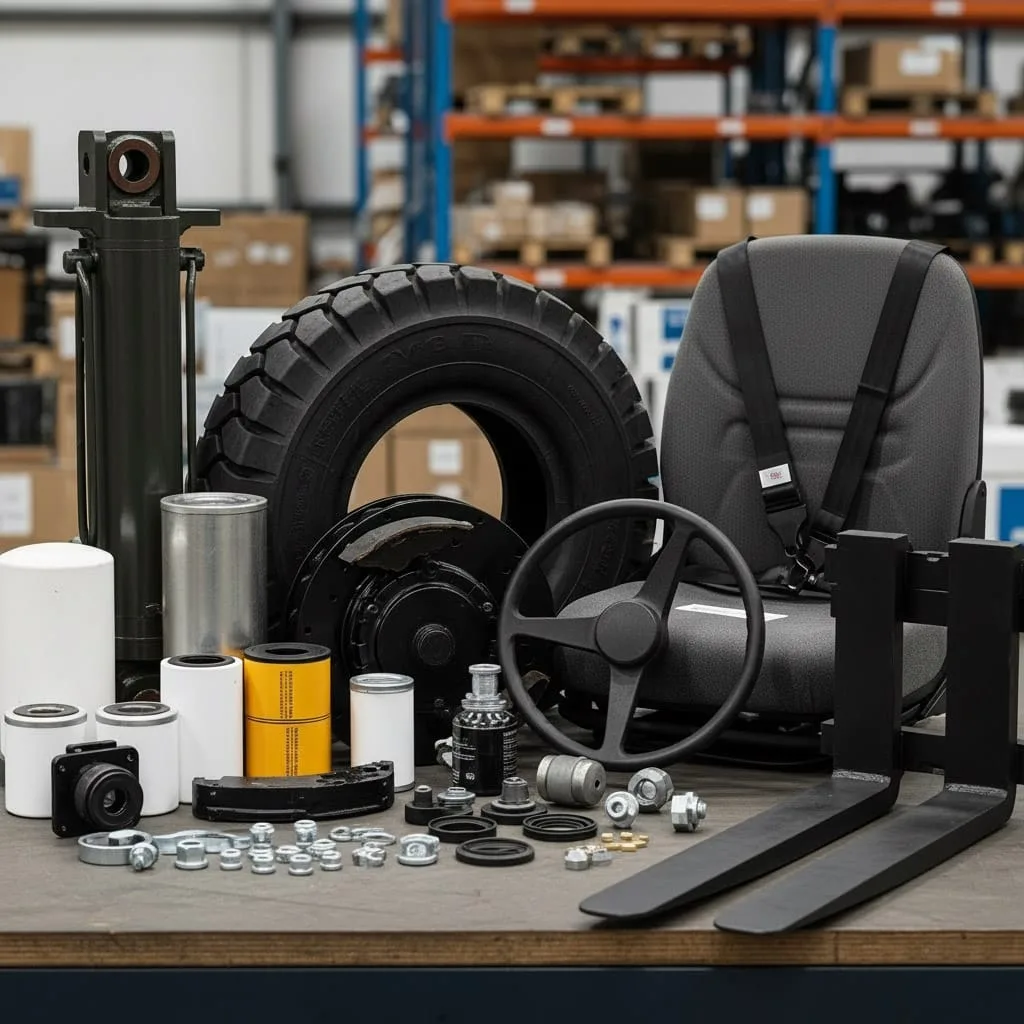
Implementing an aftermarket parts strategy should begin with non-critical components such as filters, belts, and routine wear items. This approach allows maintenance teams to evaluate supplier performance and part quality while minimizing risk. As confidence builds, the strategy can expand to include more complex components like hydraulic cylinders, transmissions, and engine parts.
Maintaining detailed records of part performance, failure rates, and cost comparisons helps refine the aftermarket strategy over time. This data-driven approach enables informed decisions about which parts to source from aftermarket suppliers and which to continue purchasing from OEMs.
Building Supplier Relationships
Successful aftermarket parts programs depend on strong supplier partnerships. Look for suppliers who offer technical support, application expertise, and comprehensive product lines. The best aftermarket partners function as extensions of your maintenance team, providing guidance on part selection, installation procedures, and troubleshooting assistance.
Regular supplier evaluations help ensure continued performance and value. Consider factors such as on-time delivery rates, product quality, pricing competitiveness, and responsiveness to issues or concerns.
Compliance and Safety Considerations
When implementing aftermarket parts strategies, ensure compliance with any lease agreements, warranty terms, or regulatory requirements. Some applications, particularly in food service or pharmaceutical environments, may have specific requirements for parts and suppliers. Always verify that aftermarket components meet applicable safety standards and regulations.
Conclusion
Aftermarket forklift parts represent a significant opportunity for cost reduction without sacrificing quality or reliability. Success requires a strategic approach focused on supplier selection, gradual implementation, and continuous evaluation. By partnering with reputable aftermarket suppliers and maintaining rigorous quality standards, equipment managers can achieve substantial savings while maintaining optimal forklift performance.
The key lies in viewing aftermarket parts not as a compromise, but as a strategic advantage in managing equipment costs. With proper planning and execution, aftermarket parts can deliver immediate cost benefits while supporting long-term operational efficiency and profitability.