You may think that safety issues in the workplace only exist in high-risk professions that are associated with getting harmed.
The truth is that even seemingly safe environments like offices have security incidents ranging from workplace violence to accidents and cyber threats.
The workplace should always guarantee employee safety while protecting data and assets from theft or damage.
A secure work environment equals happier employees and improved productivity.
For this reason, every company should implement best practices to ensure security for both office assets and employees.
Here are best practices for maintaining office security:
1. Security Handbook
Most workplaces have a set of safety guidelines that employees familiarize themselves with to maintain a safe environment.
Companies with effective security systems go as far as distributing handbooks to minimize chances of forgetfulness. This is an excellent way of getting workers to study important guidelines in detail and check now and then for updates.
2. Employee Training
Employee training is another vital part of office security as it teaches personal responsibility at the workplace.
Usually, the employees are guided through different ways of responding to incidents. They’re informed on what to do in case of an emergency. The training model should be detailed enough to cover all scenarios that may take place at the workplace.
3. Security Locks
Locking doors and windows may sound obvious, but it’s the first stage of securing the premises.
It is advisable to always lock the company doors and windows at the end of business hours and security heightened.
During office hours, different areas in the building should also be accessible to only authorized individuals. You can make use of one of the must-have security features in any workplace: the keycard system.
Keycards are not just effective but also super convenient. They enforce strict access rules while still ensuring seamless workflow. They’re electronic, which means every single use goes on the record.
4. Metal Detectors
Metal detectors are some of today’s most effective safety measures.
Remember, the workplace generally has lots of people coming and going. While you can protect the business and the people inside from outsiders, it’s a lot harder to protect employees from each other.
With metal detectors, every business can ensure that the people within the building are not carrying items that cause injuries.
5. Security Officers
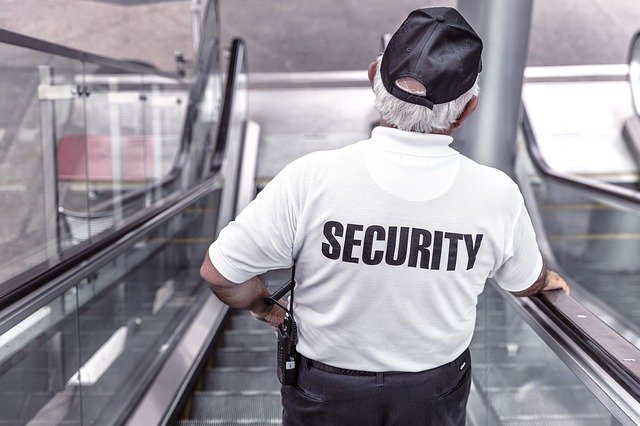
Every company needs to hire private security officers to monitor their systems and secure the workspace. The security personnel should have previous experience in working with modern tech like video surveillance.
It’s easy for businesses now to find top-notch guards trained for various settings. As management, you may want to contact reputable security companies and ask about the services they offer.
Talk to them about the unique aspects of your workplace. They’ll advise you on the security level you need.
6. Securing Office Data
Important documents should not be left to idle on someone’s desk. The office can use safes to store hardcopy data to prevent unauthorized access and damages.
Company computers and other devices should implement security features like passwords and two-step authorization. This ensures that company databases and sensitive information are only accessible to the right people
7. Restricted Areas
Public and private areas of the office should have clear separation. Visitors and clients should be allocated a waiting room. For the safety of employees, private workspaces shouldn’t be easily accessible from the public area.
The use of keycards or a security guard can also come in handy in this case.
8. Video Surveillance
Surveillance cameras are must-have security features in the workplace. They should be placed strategically at points of entrance, exit, inside the offices, and other hidden areas within the premises.
The cameras should offer 24/7 access to a live feed that you can monitor remotely. Remote access makes it easy to store, organize and share video surveillance with security personnel for immediate response.
9. Security Tests
It’s great to have security systems in place, but malfunctions happen pretty often. To stay on top of things, it’s good practice for businesses to conduct security tests regularly.
Security tests help you determine the working conditions of your company’s security systems and whether you need an update or not. The results are then recorded and used for repairs and adjustments.
Conclusion
Workplaces must be safe for the people working there. They should also feel assured that their personal items are secure. If security standards aren’t good, productivity is also affected.
Keep in mind that security threats change or evolve depending on new assets, time or situation. Make sure your company’s security plan is monitored and regularly updated to maintain safe conditions.