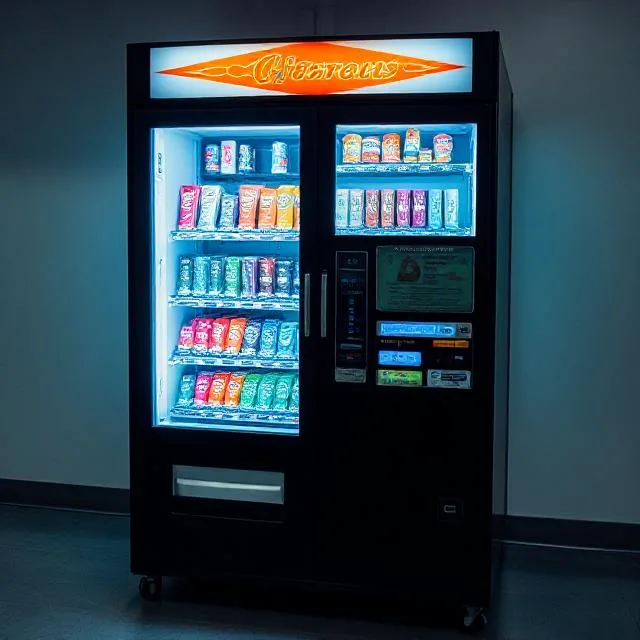
If you’ve been searching for commercial vending machines for sale, you’re not alone. More businesses are investing in vending as a way to generate revenue, offer convenience to customers, and reduce staffing needs. Whether you’re running a gym, office, school, or public venue, vending machines can serve snacks, drinks, or even healthy and niche products—all while ticking over 24 hours a day.
This article breaks down what to look for, how to choose the right setup, and what kind of returns you can expect from a well-placed machine.
Why Vending Machines Still Work
Vending is one of the simplest forms of passive income. Once installed and stocked, a machine earns revenue without needing ongoing staff time. It’s a fit for:
- Offices looking to offer drinks and snacks to staff
- Retail stores need after-hours convenience
- Gyms and health clubs offering protein bars, drinks or healthy snacks
- Public buildings with high foot traffic
Modern vending machines go beyond simple snack delivery. Many are equipped with contactless payment, remote stock monitoring, and built-in energy efficiency.
What to Look for When Buying
When comparing commercial vending machines for sale, it pays to think long-term. Here’s what to focus on:
1. Payment systems
Most machines now support cashless options. Choose one that accepts tap-and-go cards, phone payments, and traditional cash. Offering multiple payment types means fewer lost sales.
2. Product flexibility
Combo machines that hold both drinks and snacks can maximise limited floor space. Some models also support refrigerated or frozen products—great for foodservice venues.
3. Stock capacity and restocking
Machines vary in how much they can hold. A unit in a high-traffic area should need fewer refills, not more. Look for adjustable trays, clear stock displays, and machines with low product jam risk.
4. Energy use
Older machines can chew through electricity. Look for LED lighting, low-energy cooling units, and built-in sleep modes.
5. Smart features
Machines with remote inventory tracking can alert you when stock is low or a system error occurs. These tools reduce downtime and help manage multiple units more easily.
Should You Buy New or Used?
There’s no one right answer—it depends on your budget and your goals.
New vending machines
- Higher upfront cost
- More reliable and efficient
- Often come with warranty and support
- Usually feature the latest tech (smart tracking, tap-and-go, etc.)
Used vending machines
- Lower cost to buy
- May show wear or need repairs
- Check if parts and support are still available
- Good for testing smaller sites or temporary locations
Machine Types: Know What You’re Getting
Here’s a breakdown of common machine types and where they tend to perform best.
| Type | Common Uses | Pros | Limitations |
| Snack Vending | Offices, Schools | Simple to stock, fast turnover | Limited ticket price |
| Drink Vending | Gyms, Factories | Consistent demand, high volume | Needs reliable refrigeration |
| Combo Units | Public venues, Retail | One machine does both | Costs more upfront |
| Specialty Machines | Hospitals, Health Clubs | Serve niche needs (healthy, hot food) | Short shelf life, higher risk |
| Smart Vending | Large sites, Events | Real-time tracking, adaptive menus | Premium cost |
Placement: Getting It Right
A great machine in the wrong place won’t perform. Think about:
- Foot traffic: Aim for at least 100 people per day.
- Dwell time: Locations where people linger tend to generate more sales.
- Visibility: Machines near entrances or waiting areas get noticed.
- Power access: Your machine will need a standard power outlet.
Locations that work well include gyms, staff rooms, industrial sites, libraries, universities, and waiting areas.
Some businesses negotiate a small commission with location owners to host the machine—this can help secure premium spots.
What You Can Earn
Profit depends on foot traffic, product pricing, stock cost, and how well you manage operations. A mid-size combo vending machine might cost $4,000. Here’s a simple example:
- Daily sales: $50
- Monthly revenue: $1,500
- Expenses (stock, power, location fee): $800
- Monthly profit: $700
At that rate, the machine pays for itself in under 6 months. Multiply that across multiple units and vending becomes a viable small business.
Managing Your Machines
Once your machine is up and running, it’s all about consistency. Here’s what to stay on top of:
- Stocking: Keep top sellers full. Learn your peak days and adjust.
- Cleanliness: Wipe surfaces, check for expired items, and clear jams.
- Maintenance: Address issues early. Parts like motors, doors, or payment units can wear.
- Customer complaints: Refund errors or stock-outs quickly to maintain trust.
Some operators check machines weekly, others use smart tools to guide their route based on low stock alerts.
Common Pitfalls to Avoid
- Buying too early: Don’t buy a machine before securing a location.
- Ignoring servicing: Skipping regular checks leads to breakdowns.
- Failing to analyse sales: Use sales data to refine stock and prices.
- Placing in low traffic zones: Without footfall, even the best machine underperforms.
Getting Started
If you’re ready to enter the market, start with one machine. Get familiar with suppliers, learn how to restock, and test different sites before expanding. Choose a vending unit that fits your audience, not just your budget.
Once you’ve found the right mix of location, machine, and product, the rest becomes repeatable.
Internal Resources
- Want to compare machine specs? Visit our guide on evaluating vending machine features
- For help finding a good location, see the best vending machine placement ideas
- Learn more about machine types in our commercial vending machine breakdown
Conclusion
Finding the right commercial vending machines for sale can provide a low-maintenance way to generate a steady income. Whether you’re a business owner or a first-time operator, vending offers a scalable model that rewards good planning and consistency.
With a little research and the right placement, vending machines can become a smart part of your overall business strategy.
If you need help selecting a model, comparing features, or getting advice on profitable locations, we’re here to help.