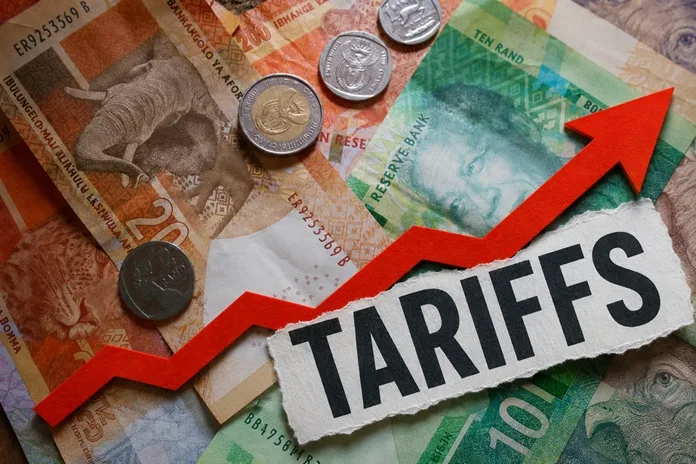
JOHANNESBURG, GAUTENG — The City of Johannesburg’s highly anticipated tariff increases have officially come into effect, bringing above-inflation hikes to electricity, water, sanitation, refuse removal, and property rates. Group CFO Tebogo Moraka has stepped forward to defend the utility bill adjustments, citing the critical need to fund aging infrastructure upgrades, improve service reliability, and sustain relief programs for indigent households.
The new tariffs, which took effect on July 1, place additional financial pressure on residents. For example, a small flat consuming 250 kilowatt-hours of electricity per month will see an increase of approximately R56, bringing the monthly total to around R675.
Bulk Supplier Hikes Drive Local Increases
Addressing the justification for the steep upticks, Moraka explained that the municipality is responding to significant increases from its bulk suppliers. Eskom, the national power utility, raised its tariffs by approximately 9% on May 1, while Rand Water increased its water demand charges by 11% on July 1.
Consequently, City Power’s electricity tariff increase was set at 8.63%, which Moraka noted is actually lower than the Eskom hike. However, he acknowledged that maintaining this gap in the future will be challenging and is currently being engaged with the national energy regulator, emphasizing that municipal tariffs must remain cost-reflective to prevent the city from operating at a loss.
Expanded Indigent Policy and Fixed Charge Exemptions
To cushion the impact on the most vulnerable residents, the City has expanded its indigent policy. Moraka clarified that registered indigent households will not be impacted by the controversial R200 fixed electricity charge—a fee that Johannesburg was among the last metros to introduce, but which is necessary to maintain network infrastructure.
Residents can apply for this exemption at any City of Johannesburg (COJ) regional offices. The application process requires proof of income levels and household size, aligning with national treasury database requirements. City Power has reportedly undertaken an aggressive drive to update the indigent register to ensure the poorest households are shielded from these fixed costs.
Tackling the R71 Billion Debt Pile
The tariff hikes come as the City grapples with a massive R71 billion debt pile. Moraka acknowledged the tough economic climate but emphasized that a culture of non-payment must be addressed to ensure sustainable service delivery.
To assist residents struggling with historical arrears, the city council recently approved a new debt rehabilitation program. Available at regional offices and online, the program allows residents to wipe out past debt—such as arrears accumulated during the 2021 and 2022 pandemic periods—provided they commit to keeping their current accounts up to date.
Service Delivery Accountability and the “War Room”
Addressing resident frustrations over paying for services not rendered, Moraka pointed to a newly established service delivery “war room” driven by the Chief Operating Officer. The city is implementing Single Point of Management Accountability (SPMA) to hold specific individuals and entities responsible for service failures.
Moraka noted that while service uptime for water and electricity consistently remains above 95%, isolated failures are being met with severe consequences. This includes recent arrests at City Power related to illegal disconnections and reconnections, as well as the termination of underperforming refuse collection service providers who failed to fix faults promptly.
To streamline fault reporting, the City is urging residents to use the Central Service Delivery (CSD) app, available on both Apple and Android platforms. The interactive app allows residents to log faults directly, with the municipality committing to a maximum 24-hour response time to resolve logged issues.
Reinstatement of JSE Bonds and Capital Market Access
On the financial front, the reinstatement of the City’s bonds on the Johannesburg Stock Exchange (JSE) marks a significant turning point. Moraka clarified that while the total debt stands at R71 billion, the specific loan book sits at approximately R22 billion. This represents a debt-to-revenue ratio of just 29%, well below the National Treasury’s maximum threshold of 45%.
Lifting the JSE suspension allows the City to re-access capital markets, which is crucial for funding major infrastructure projects. Moraka highlighted upcoming public-private partnerships for Joburg Water, focusing on pipe replacement, water reclamation, and wastewater treatment. The return to the JSE is expected to attract both local and international investment in the water sector.
Looking ahead, the City is actively engaging with credit rating agencies. Moraka indicated that an upcoming assessment by Moody’s is expected to reflect the municipality’s ongoing efforts to stabilize governance and improve financial management, with results anticipated in the coming weeks.