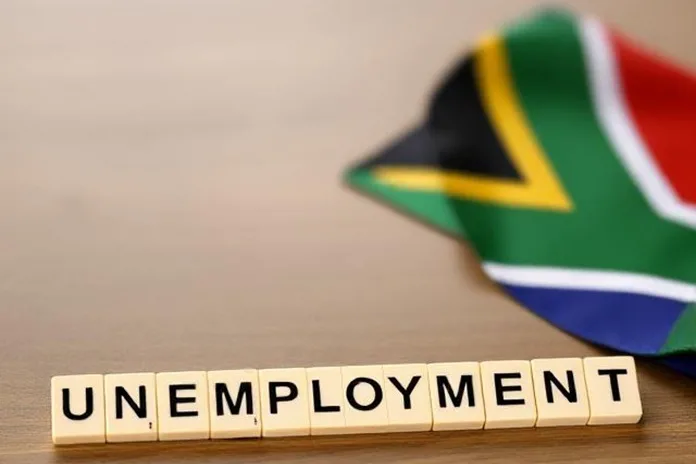
JOHANNESBURG, Gauteng — As the South Africa migration crisis continues to dominate political and economic discourse, the relationship between foreign workers and local joblessness remains a highly contested issue. With the nation’s economic landscape strained by persistently high unemployment, the influx of regional migrants seeking better opportunities has become a volatile touchpoint. However, experts are urging the public and policymakers to look at the empirical data rather than resorting to blame.
Professor Justin Visagie from Wits University’s Southern Centre for Inequality Studies notes that while South Africa acts as a primary destination for both internal and regional economic migrants, this reality collides with an acute domestic crisis. The country currently battles broad unemployment rates exceeding 40%. To provide context to the severity of the situation, Prof. Visagie pointed out that during the height of the Great Depression in 1933, developed countries saw unemployment rates peak at around 25%.
The frustrations of everyday citizens are compounded by declining service delivery and pressure on the public fiscus, leading many to ask if immigrants are to blame for the lack of jobs. Prof. Visagie, speaking as an economist relying on assembled evidence, firmly pushed back against this narrative using hard data.
In the formal economy, tax return data indicates that foreign employees make up only 3.4% of the workforce. Prof. Visagie noted that this figure has remained stagnant for the past decade, meaning that in a lineup of 100 formal sector employees, only three or four would be foreign nationals.
While the informal economy presents a higher pressure point, it still does not account for the massive scale of the joblessness crisis. According to Stats SA employment surveys, foreigners account for approximately 18% of informal jobs. While a higher percentage, Prof. Visagie emphasized that it remains a minority share and represents small numbers relative to the overarching size of South Africa’s unemployment problem.
Instead of foreign labor, Prof. Visagie argues that the root causes of the economic stagnation are largely internal. He highlighted the poor management of state-owned enterprises, specifically citing the crisis at Eskom, which has severely set back the economy. Over the last five to six years, total economic growth has hovered at just 1%. Meanwhile, the population’s growth has driven the number of needed jobs from 8 million to 12 million. Prof. Visagie stated that the formal economy would literally need to double in size to absorb all currently unemployed South Africans.
External forces are also at play. Global technological changes have made manufacturing much more capital-intensive, making it increasingly difficult to create jobs and transition workers from rural areas into urban factories.
Despite these complex challenges, Prof. Visagie noted that a comprehensive solution remains elusive. He referenced a past promise that all stakeholders—including organized business, organized labor, civil society, and the government—would convene to outline the sacrifices each is willing to make to turn the situation around, a summit that has yet to fully materialize.
Furthermore, research shows that immigration is not a zero-sum game. Foreign nationals often bring vital skills, investments, and consumer demand that can actually stimulate economic development.
Prof. Visagie concluded by warning against the long-term implications of scapegoating foreign immigrants. He highlighted a glaring contradiction in the country’s current posture: while South Africa aims to lead regional development and investment across the African continent, sending a message that foreigners are unwelcome severely damages its reputation and economic prospects. Ultimately, he stressed that removing foreign labor from the ecosystem will not solve the domestic crisis, and that evidence-based internal reforms are the only viable path forward.