



Insurance is often viewed as one of the most complex financial products in the market. Many people associate it with compulsory motor cover, lengthy policy documents, or claims processes. Yet insurance is fundamentally simple. It is a financial safety net designed to help individuals, families, and businesses recover when unexpected losses occur.
Whether it is a medical emergency, a road accident, a fire, a flood, or a business interruption, life’s uncertainties can quickly turn into financial hardships. Insurance exists to ensure that a single unfortunate event does not erase years of hard work, savings, and investment.
At its core, insurance works through a principle known as risk pooling. Thousands of policyholders contribute relatively small amounts of money, known as premiums, into a common fund. When one of them experiences a covered loss, compensation is paid from that fund. In simple terms, many people contribute so that the few who suffer losses are protected from devastating financial consequences.
Understanding a few key insurance terms can help demystify the industry. A policy is the contract between the insurer and the customer. A premium is the amount paid for insurance coverage. A claim is a request for compensation after a loss occurs. The sum insured is the maximum amount payable under the policy, while an excess or deductible is the portion of a loss that the policyholder agrees to bear before the insurer pays.
While these concepts may appear technical, they underpin one of the most important tools for financial resilience.
Globally, insurance penetration, measured as insurance premiums as a percentage of Gross Domestic Product (GDP), averages about 5.4 percent. In many developed economies, insurance is considered as essential as savings and investment. In emerging markets, however, insurance uptake remains relatively low despite growing exposure to risks.
Data from Tanzania Insurance Regulatory Authority (TIRA), shows that the country’s insurance sector has made remarkable progress in recent years. Insurance penetration rose to 2.08 percent of GDP in 2024, up from 2.01 percent the previous year. Gross written premiums increased by 20.2 percent to Tshs1.52 trillion, while insurance coverage expanded to approximately 25.9 million people, equivalent to about 39 percent of the population.
The industry’s growth trajectory is equally impressive. Over the past five years, premium income has increased by 84 percent, reflecting growing awareness among Tanzanians about the importance of financial protection. As of 2025, the sector comprised 40 registered insurance companies, including 30 general insurance companies, six life insurance companies, and four reinsurance companies, alongside accredited foreign reinsurers. These firms provide a wide range of products, including life, health, motor, property, agricultural, marine, takaful (Islamic insurance), and business-risk coverage.
In my role at MIC Global Risks Tanzania Limited, I have witnessed firsthand how insurance transforms outcomes during moments of crisis. We work closely with employers, executives, and families across East Africa, and one reality remains consistent: a health emergency rarely arrives at a convenient time. The difference between financial stability and financial distress often comes down to whether adequate medical cover was in place before the crisis occurred.
For businesses, the value of insurance is equally compelling. A warehouse fire, machinery breakdown, cyberattack, or liability claim can result in substantial financial losses. Without adequate protection, even a thriving enterprise can struggle to recover. Insurance enables businesses to restore operations, preserve jobs, and maintain confidence among customers, suppliers, and lenders.
Beyond protecting individuals and businesses, insurance also plays a critical role in economic development. It encourages entrepreneurship by reducing the financial impact of unforeseen events. It facilitates lending because banks are more willing to finance insured assets. It also mobilises long-term capital that can be invested in infrastructure, government securities, and productive sectors of the economy.
Yet one of the biggest challenges facing the industry remains perception. Many people see insurance as an expense rather than an investment in financial security. Others only appreciate its value after experiencing a loss. This mindset often leads households and businesses to underestimate risks until it is too late.
The reality is that insurance is not designed to make people wealthy. It is designed to protect the wealth they have already built.
As East Africa continues to grow, more individuals are building businesses, acquiring assets, creating jobs, and investing in their families’ futures. Yet wealth creation and wealth protection must go hand in hand. The greatest threat to financial progress is often not a lack of opportunity, but a lack of preparedness for life’s unexpected events.
In our markets, resilience has always been one of our greatest strengths. Insurance is simply resilience made practical. It allows families to protect their dreams, businesses to safeguard their growth, and leaders to focus on building for the future with confidence. The strongest financial plans are not measured by what we accumulate, but by how well we protect what matters most when uncertainty inevitably arrives.
About MIC Global Risks (Tanzania) Limited / Notes to Editors
MIC Global Risks (Tanzania) Limited is one of East Africa’s leading insurance brokerage and risk management firms, providing tailored insurance, employee benefits, health, life assurance, and risk advisory solutions to businesses and individuals. Established in Tanzania in 1942, the company combines decades of regional expertise with strong international partnerships to deliver innovative and effective risk solutions across diverse industries. With offices in Tanzania and across the region, MIC Global Risks is committed to excellence, client-focused service, and long-term partnerships. The company’s mission is to create and deliver risk solutions that help clients achieve greater success and resilience.
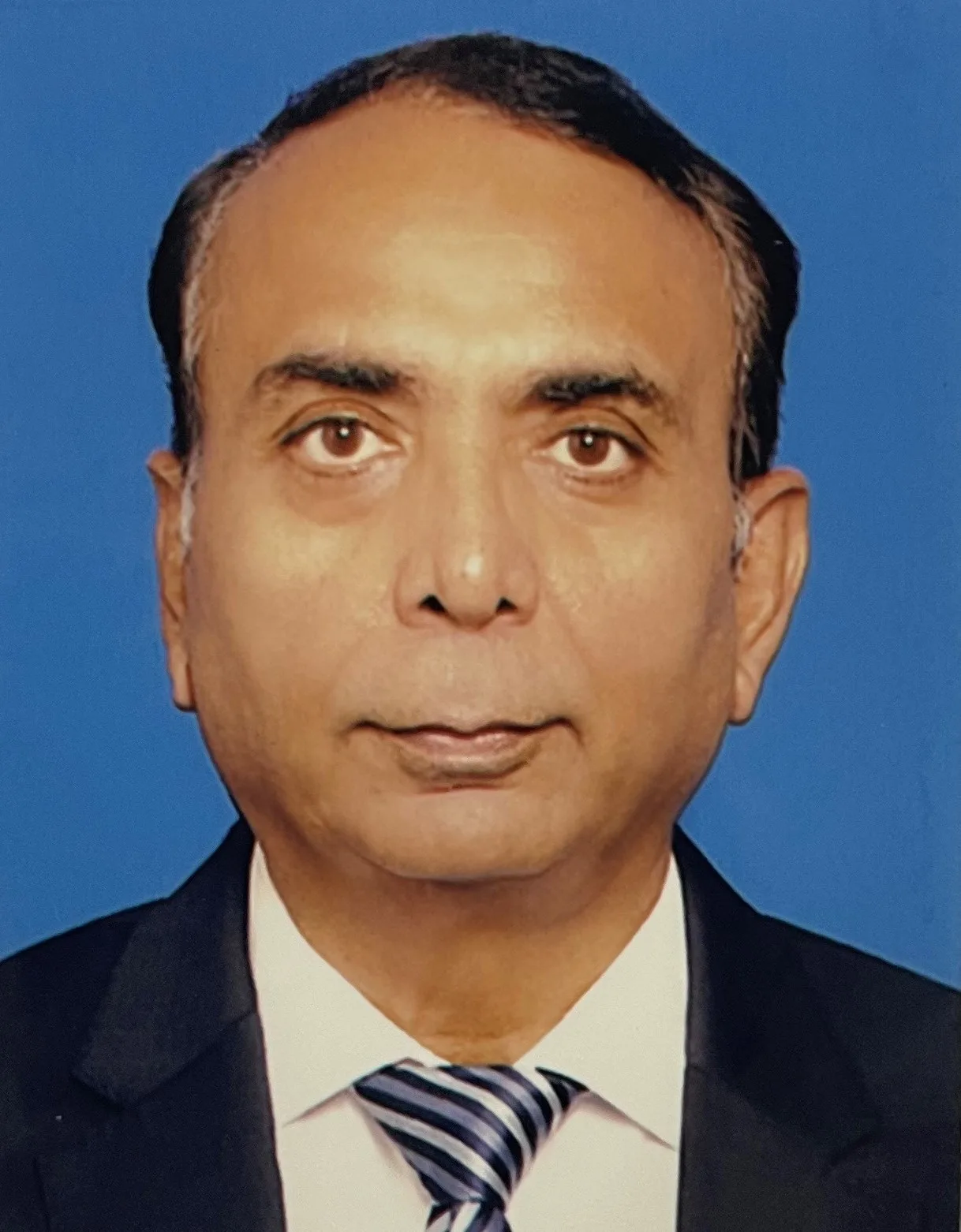
By Anil Chopra, Group Managing Director, MIC Global Risks (Tanzania) Limited
For more information, visit www.micglobalrisks.com