For many South Africans, a bakkie is not bought for one job only. It may leave home before sunrise, carrying tools, samples or building materials. By the afternoon, it may be doing the school run. By the weekend, it could be loaded with bicycles, camping gear, a trailer, cooler boxes or everything needed for a few days away.
That ability to move between roles has always been part of the bakkie’s appeal, but it has also changed what owners expect from their vehicles. A bakkie is no longer seen only as a workhorse, nor only as a leisure vehicle. Increasingly, it has to be both, while also serving as everyday family transport.
This has changed the way many owners approach customisation. The focus is not simply on making a bakkie look tougher or adding one standout accessory. More often, it is about adapting the vehicle around the way it will be used.
“A lot of customers are not looking at one accessory in isolation anymore,” said Richard Thompson, Managing Director at CACSA (Commercial Auto Components SA). “They are looking at the whole bakkie and asking how it can work better for them. One owner might need a Hilux or Ranger that can carry tools securely during the week and camping gear over the weekend. Another might want a D-Max or Navara that looks good but still works hard.”
That shift is easy to understand in South Africa, where bakkies are expected to cope with far more than smooth city roads. Gravel routes, farms, mountain passes, worksites, muddy tracks and flooded streets all form part of the environment in which these vehicles operate. Many of the country’s most familiar bakkies are also built locally, including the Ford Ranger, Toyota Hilux, Volkswagen Amarok, Nissan Navara, Isuzu D-Max and Mahindra Pik Up, which have helped support a strong local aftermarket industry.
For owners, the first question is often not what looks best, but what will make the vehicle easier to live with.
Adventure is a good example of something that has become part of the modern bakkie identity, even for owners who spend most of their time on tar. Roof racks and roof rails can free up space in the load bay, while all-terrain tyres, recovery gear and additional protection can make the vehicle more useful when the road surface changes. Not every owner is preparing for extreme off-roading, but many want the confidence that their bakkie can handle gravel roads, campsites, farm tracks or rougher conditions when needed.
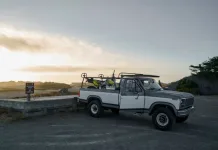
Storage is also an integral part of bakkie usage. An open load bin is useful, but it does not always suit a vehicle that has to carry expensive tools one day and family luggage the next. That is why canopies, roller covers, hard lids, tonneau covers and drawer systems have become such a common part of bakkie ownership. They help turn the load bay into a more secure and organised space, whether the vehicle is being used for work, sport, travel or family life.
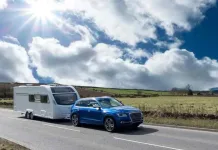
The same thinking applies to towing and load-carrying. For some owners, a tow bar is needed for work trailers and equipment. For others, it is there for caravans, boats, camping trailers or weekend trips. In many households, towing is not a rare extra requirement, but one of the reasons a bakkie makes sense in the first place.
Protection upgrades fit into that same mindset. Bull bars, side steps, underbody guards, bash plates and nudge bars may add to the visual presence of a bakkie, but their appeal is also practical. For owners who regularly travel on worksites, farms or uneven roads, these additions can help reduce damage from stones, brush and minor knocks.
Even appearance upgrades are becoming more purposeful. Wheels and tyres remain among the most popular changes, but the trend has moved away from shiny, showy designs towards a cleaner and tougher look. Darker finishes and more practical tyre choices suit the way many bakkies are used, especially when dirt roads and regular cleaning are part of ownership.
What this shows is that bakkie customisation is no longer only about accessories. It is about identity and use. Owners are shaping their vehicles around the different roles they need them to play.
A bakkie might have to be professional during the week, practical in the afternoon and ready for travel by Friday. It may need to look good in the driveway, carry tools securely, tow when required and still feel suitable for a family trip.
Accessories have become an essential part of the ownership experience, shaped by the places a vehicle goes, the loads it carries and the life it supports. In South Africa, the modern bakkie has become less of a single-purpose vehicle and more of a flexible platform for work, family and escape.