



With the mid-year school holidays underway, many South African families are heading off on road trips, family visits and winter getaways. While planning routes, packing bags and booking accommodation often top the to-do list, taking time to prepare your vehicle can make all the difference to your safety, comfort and travel budget.
With fuel prices placing additional pressure on household finances and thousands of motorists expected to travel during the holiday period, ensuring your vehicle is roadworthy and fuel-efficient has never been more important.
“Most people look forward to a holiday as an opportunity to relax and spend quality time with loved ones. The last thing anyone wants is to experience a breakdown, tyre failure or unnecessary stress on the road,” says Dean Horn, Managing Director of Super Tyres.
“Your tyres are the only point of contact between your vehicle and the road, which makes them one of the most important safety components on your vehicle. A few simple checks before you travel can help keep your family safe and save you money on fuel.”
According to Horn, one of the most overlooked aspects of vehicle safety is tyre pressure. “Driving on tyres that are under-inflated or over-inflated affects handling, braking and tyre wear. It also impacts fuel consumption. Approximately 20 percent of a vehicle’s fuel is used to overcome the friction between the tyres and the road, so ensuring that your tyres are inflated to the correct pressure can improve fuel efficiency and extend tyre life.”
Before setting off, motorists should inspect their tyres for visible signs of damage, including cuts, cracks, bulges and uneven wear. Tread depth should also be checked, particularly ahead of long-distance travel or when wet weather is expected.
It is equally important not to overlook the spare tyre. “Many motorists only discover a problem with their spare tyre when they need it most. Make sure it is correctly inflated and in good condition before you leave,” advises Horn.
Vehicle maintenance also plays a significant role in both safety and fuel economy. A vehicle that is properly serviced, with correctly aligned wheels and well-maintained tyres, will generally perform more efficiently and place less strain on the engine.
Horn recommends that motorists have their wheel alignment checked regularly, especially if they notice their vehicle pulling to one side or uneven tyre wear. “Poor wheel alignment creates additional rolling resistance, which can increase fuel consumption and shorten tyre life. It’s a relatively simple check that can make a noticeable difference.”
While vehicle condition is important, driver behaviour remains one of the biggest contributors to road safety. “Fatigue is a major contributing factor in road accidents and can affect reaction times. Plan regular rest stops, ideally every two hours or 200 kilometres,” says Horn.
Motorists are urged to remain alert behind the wheel and avoid rushing to reach their destination. Maintaining a safe following distance of at least three seconds, obeying speed limits and ensuring that everyone in the vehicle wears a seatbelt are equally important.
Drivers travelling through rural areas should also remain vigilant for pedestrians, livestock and wildlife, particularly during early morning and evening hours.
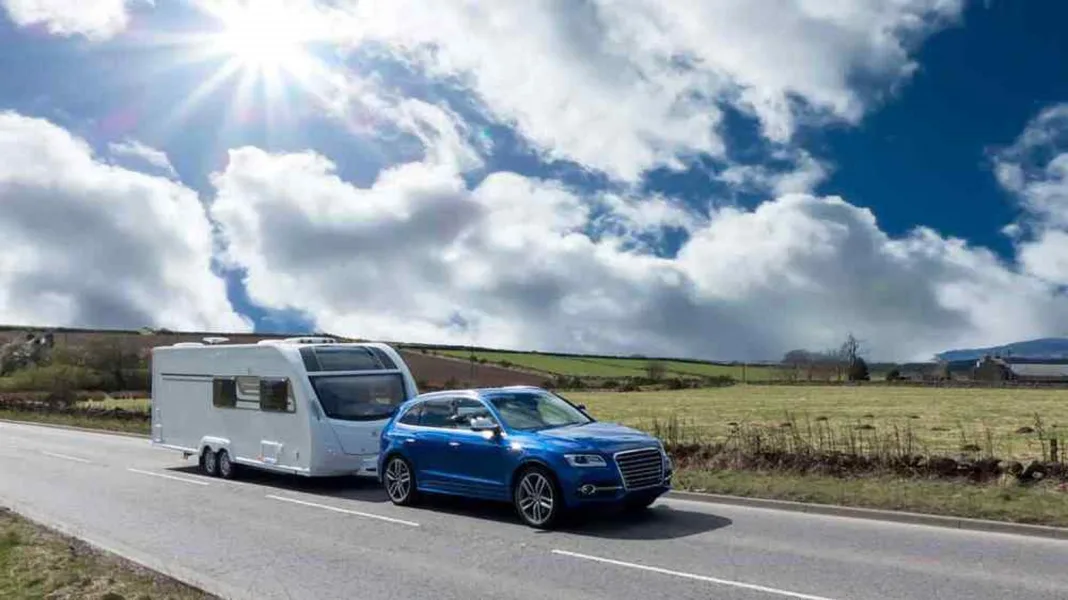
For those looking to stretch their fuel budget a little further, Horn recommends adopting smoother driving habits. “Gentle acceleration, maintaining a steady speed and avoiding unnecessary idling can all help reduce fuel consumption. Avoid carrying unnecessary weight and check that any trailer or caravan is roadworthy and correctly loaded before travelling. Overloaded vehicles and trailers place additional strain on tyres, affect handling and increase fuel consumption.”
Horn says that when towing a trailer or caravan, correct loading is critical for both safety and stability. “One of the most common mistakes motorists make is placing too much weight behind the axle. Heavy items should always be packed as low down as possible and positioned over or slightly ahead of the axle. This helps maintain stability and reduces the risk of dangerous trailer sway.”
He recommends distributing weight evenly from side to side and securing all items properly to prevent movement during transit. “As a general guideline, aim for roughly 60 percent of the load towards the front of the trailer and 40 percent towards the rear. Loose or poorly balanced loads can affect steering, braking and overall vehicle control.”
Before departing, motorists should also ensure that trailers and caravans do not exceed their legal weight limits, that safety chains are correctly attached and that all lights and indicators are functioning properly.
Good preparation creates peace of mind. Whether you’re travelling across the province or across the country, taking a little extra time to check your tyres, vehicle condition and travel plans before you leave can help ensure a safer, smoother and more enjoyable holiday.
“As families head off to make memories during the school holidays, we encourage motorists to make safety their first priority. If you are unsure about the condition of your tyres or wheel alignment, visit any of the Super Tyres stores for a complimentary safety assessment before you travel,” concludes Horn.
www.supertyres.co.za