NEW YORK — South Africa remains unsurprised by the PEPFAR funding withdrawal, with Health Minister Dr. Aaron Motsoaledi downplaying the US decision to pull critical HIV aid. Speaking on the sidelines of the UN High-Level Meeting on HIV and AIDS, the minister addressed the phased exit of the President’s Emergency Plan for AIDS Relief (PEPFAR) support, emphasizing the country’s readiness to manage the transition.
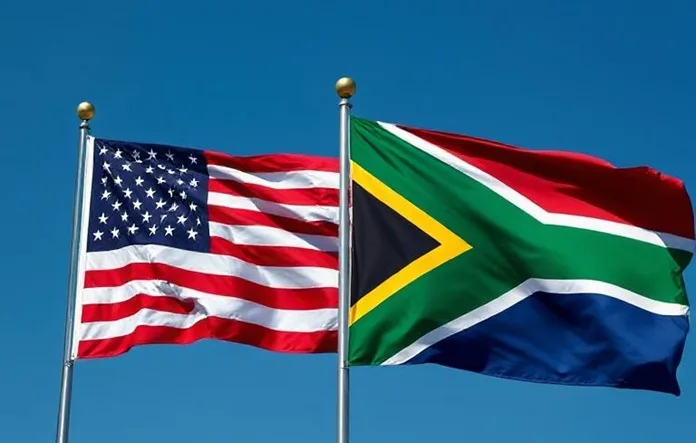
The U.S. State Department has initiated the process of phasing out the financial support. A State Department official cited South Africa’s alleged failure to make demonstrable progress on specific policy requests demanded by the Trump administration, a stance that has helped frame ongoing diplomatic tensions between Washington and Pretoria. Historically, South Africa has been one of the largest beneficiaries of the program, receiving an average of over $400 million annually from PEPFAR.
Despite the substantial financial implications, Dr. Motsoaledi emphasized that the withdrawal was anticipated. He noted that the announcement was made long ago, with initial indications surfacing in February of the previous year.
“This announcement was made long ago. So it’s not something that is new and it’s not coming as a surprise,” Dr. Motsoaledi stated. “We were definitely expecting it. It is unfortunate, but we’re expecting it. We didn’t expect any other thing to happen than for this announcement to reach finality.”
Addressing the $300 million to $400 million annual shortfall, the Health Minister framed the situation as a necessary “wakeup call” for the nation. He stressed that while international solidarity is appreciated, the primary responsibility for protecting citizens from diseases lies with the state itself, not foreign governments.
“It is the responsibility for each country to cater for each citizen,” Dr. Motsoaledi asserted. “It’s not the responsibility of another country somewhere. If that type of help comes in terms of international solidarity, well and fine. But the primary responsibility of catering for its citizens, protecting them from diseases, is that of the state of that particular country.”
When pressed on whether the state has the fiscal capacity to fill the gap, Dr. Motsoaledi confirmed that the government has no other choice but to stand on its own. Immediately following the initial announcement, the South African Treasury allocated 750 million rand as a stop-gap measure to help bridge the immediate shortfall.
Dr. Motsoaledi expressed confidence in the government’s long-term capacity to absorb the funding loss, drawing parallels to the country’s past health initiatives. He recalled launching the world’s largest HIV counseling, testing, and treatment campaign in 2010. When questioned at the time about the financial feasibility of the massive rollout, he maintained a persistent and consistent stance against doubters.
“People were saying I’m stubborn,” Dr. Motsoaledi recalled. “I said, ‘Can we afford not to?'”