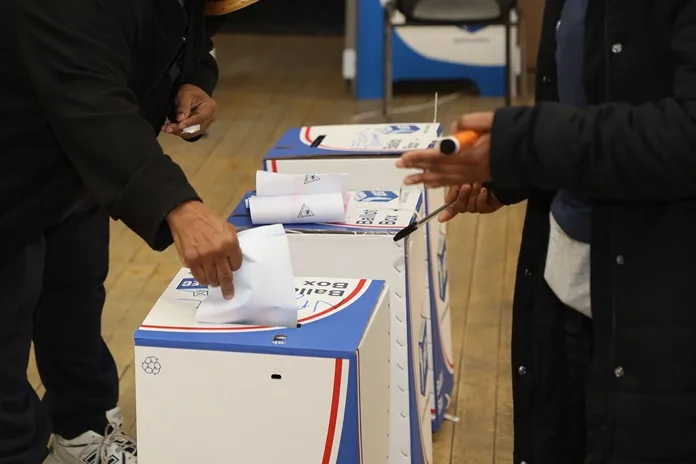
PRETORIA, Gauteng — The Independent Electoral Commission (IEC) will open over 23,000 voting stations across the country this weekend for a major voter registration drive. James Aphane, the IEC General Manager for Electoral Matters, confirmed that 23,706 stations will be operational for the two-day event, urging eligible citizens to verify their details ahead of the municipal elections scheduled for November 4.
The upcoming weekend drive is designed to help citizens check their registration status and update their personal information. According to Aphane, this update is particularly crucial because ward boundaries have recently been altered and additional voting districts have been added to improve accessibility. Ensuring that every voter is correctly registered in their respective ward is essential for the upcoming local government elections.
Highlighting the current state of the national voters’ roll, Aphane noted that the IEC has seen a positive trend in civic engagement. As of now, there are 28 million registered voters in South Africa, marking a 6% increase from the 27.7 million recorded in 2024. This growth is notable considering the IEC loses approximately 34,000 people from the roll each month. Aphane clarified that the 5% reduction due to these monthly losses has been successfully offset by the overall 6% increase in new registrations.
While the majority of the recent registration increases come from adults over the age of 35, the IEC is heavily focused on closing the gap among the youth. Aphane emphasized the need to register young people, particularly those aged 16 to 19. South Africans can register to vote at 16, provided they turn 18 by the November 4 election day. To reach this demographic, the IEC has launched several targeted interventions, including online voter registration platforms, campus drives at tertiary institutions where students are employed to assist with registration, school visits, and robust social media campaigns.
Addressing the growing frustration among some citizens regarding service delivery, unemployment, and economic opportunities, Aphane encouraged using the ballot box rather than protests to effect change. Acknowledging that the country is marking 50 years since the historic June 16 youth uprising, he noted that while protesting is a constitutionally guaranteed right, voting offers a more direct path to accountability.
Aphane urged citizens to replace street protests and tire-burning with active electoral participation, emphasizing that a vote should serve as a measure of an elected official’s performance. He reminded the public that elections are not just for casting ballots but also for standing as candidates—whether representing a political party or running as an independent. By registering and participating, citizens can elect leaders who will drive meaningful change in their local communities.