
As South Africa marks Youth Month and the 50th anniversary of the 1976 student uprising, questions about leadership, agency and social change remain as relevant as ever.
While the challenges facing young people today may look different, the need for courageous, thoughtful and collaborative leadership continues to shape the country’s future.
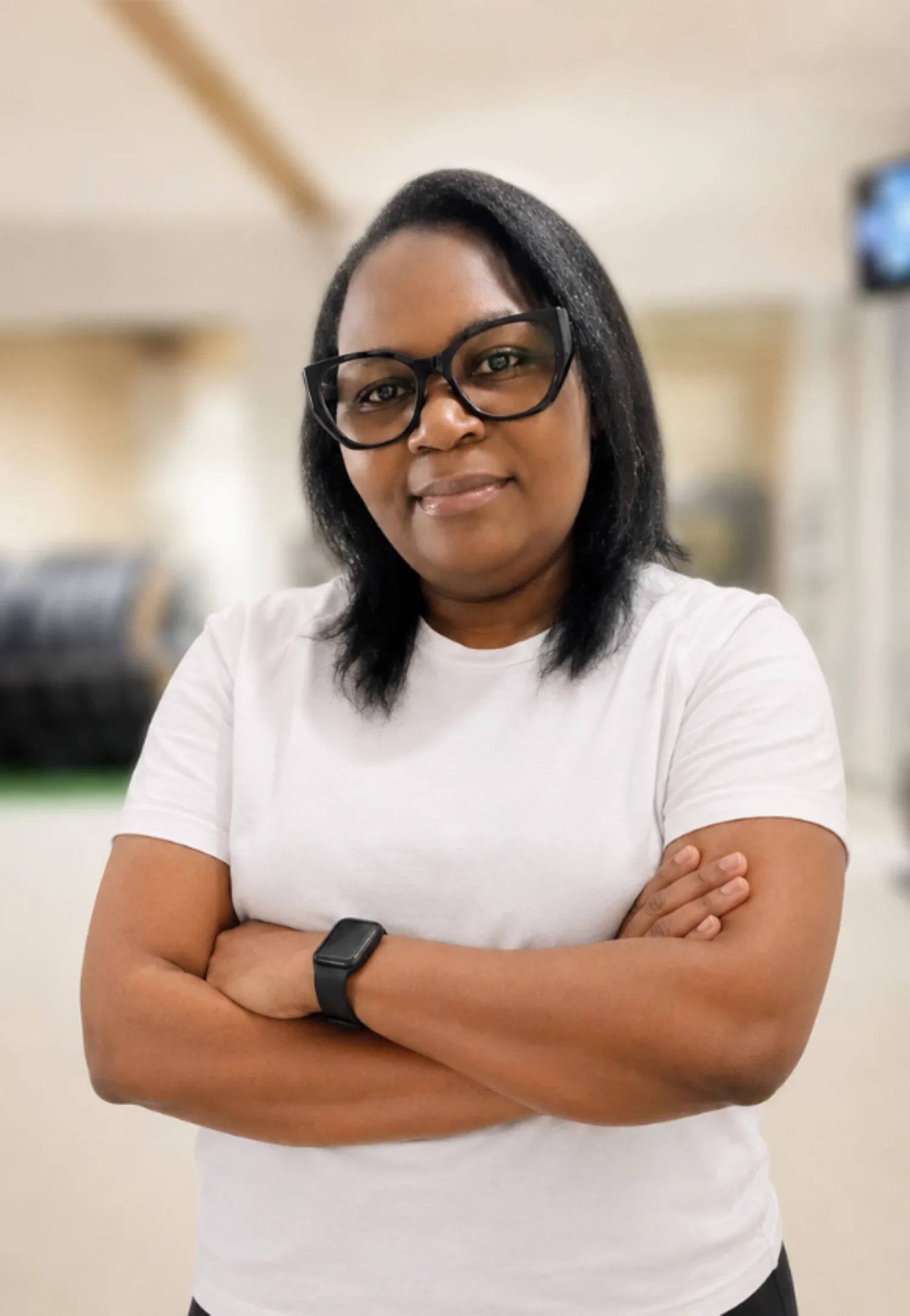
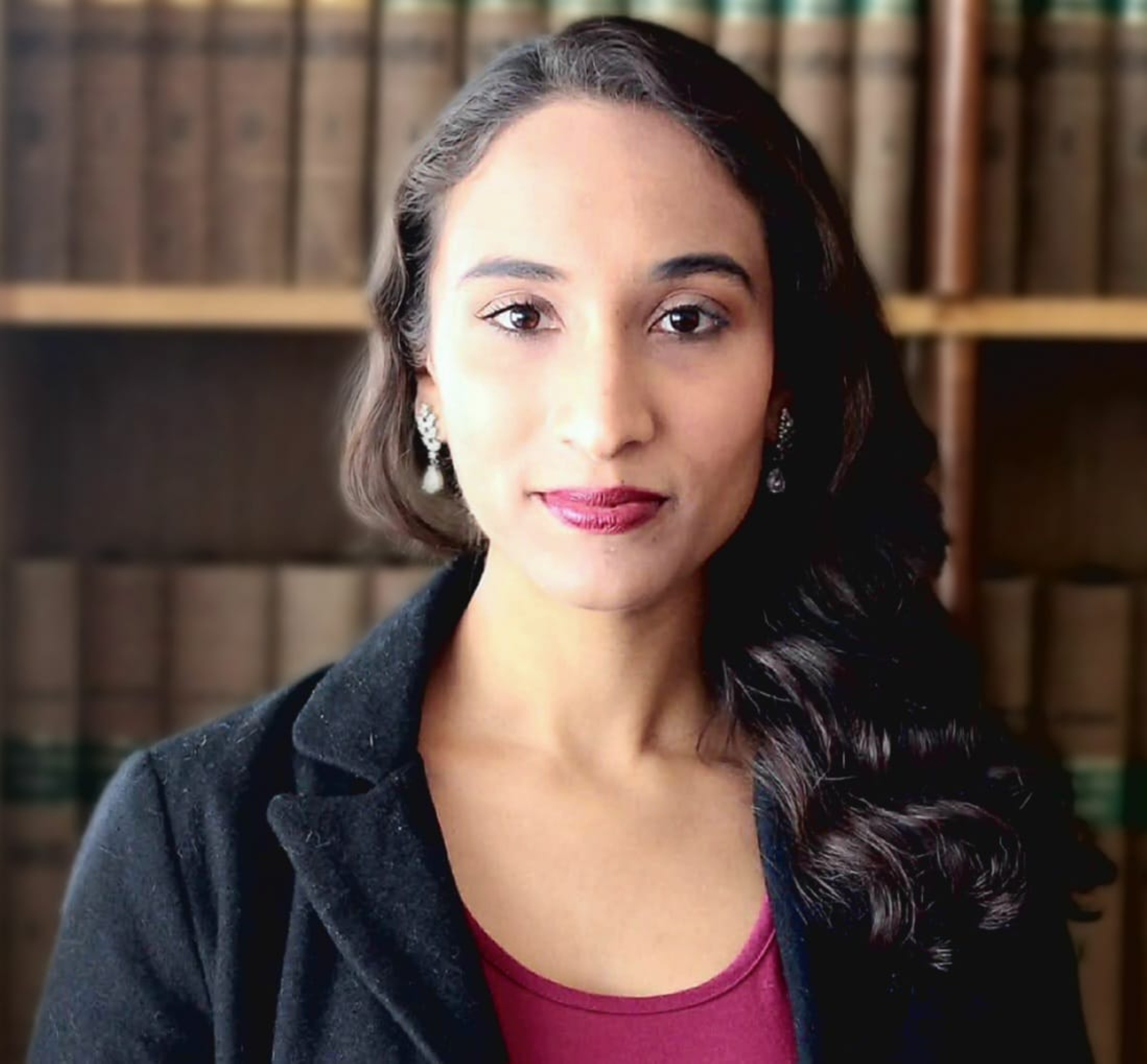
Against this backdrop, Citizen Leader Lab team members Dipuo Mafatle, Monitoring, Evaluation, Research and Learning Officer, and Zah’Rah Khan, Brand and Editorial Storyteller, have been selected for the highly regarded DG Murray Trust Fellowship, a cohort-based leadership development programme that brings together professionals under the age of 40 from across South Africa.
This year’s selection process was highly competitive, attracting 64 applications from across sectors. The Fellowship, which begins in July, creates space for participants to engage with complex social and organisational challenges through dialogue, reflection and peer learning.
For both young professionals, the opportunity comes at a time when conversations about leadership are evolving. “One idea about leadership that I am open to rethinking is the belief that strong leaders should always appear confident and certain,” says Mafatle. “For a long time, I associated leadership with having clear answers, making decisive decisions and projecting confidence at all times. As I have gained more experience, I have started to realise that leadership often involves navigating uncertainty, asking difficult questions and being willing to acknowledge what you do not know.”
Khan believes young people have an important role to play in reshaping traditional notions of leadership. “I am open to rethinking leadership as something that rests primarily in individuals or formal roles. Much of my experience suggests leadership is often distributed,” she explains. “I want to explore how leadership shows up in less conventional ways, including creating the conditions for others to lead. We often overemphasise positional leadership and undervalue the quieter forms of leadership that help hold communities, institutions and systems together.”
Their reflections resonate with broader conversations taking place during Youth Month, particularly as South Africans commemorate the legacy of the young people who challenged injustice in 1976 and demonstrated the power of collective action.
According to Mafatle, future leaders will need a combination of humility, authenticity and a willingness to learn. “I believe authenticity and humility are important qualities for future leaders. People are more likely to trust and engage with leaders who are genuine, willing to listen and open to learning from others,” she says. “For young people, leadership is not only about influence. It is about building relationships, working across differences and remaining open to growth.”
Khan agrees, adding that leadership today requires both awareness and action. “For young people, it is about agency, not waiting for permission to think, question and act. It is also about collaboration,” she says.
“It means acknowledging our history as a country but not being shackled by it. It means being fair and just, and remaining conscious of the realities people experience every day. Leadership must be inclusive, attentive and responsive to the world around us.”
As part of the Fellowship, Mafatle and Khan will collaborate on a joint project aimed at translating insights from the programme into practical learning opportunities for Citizen Leader Lab.
Both see the experience as an opportunity not only for personal development, but also to deepen their contribution to leadership development work in schools and communities across South Africa.
As the country reflects on the legacy of 1976, their selection serves as a reminder that leadership continues to evolve, and that the next generation of leaders may be defined less by authority and certainty, and more by curiosity, collaboration and a commitment to learning.
About Citizen Leader Lab
Citizen Leader Lab is a South African non-profit organisation focused on developing ethical, practical leadership across education and other public sectors. Through long-term partnerships and collaborative learning, Citizen Leader Lab works with leaders in complex and resource-constrained environments to strengthen systems and support sustained change.