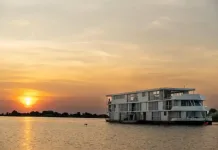




In a world where deadlines blur and digital noise rarely fade, the simple act of stepping outside can feel revolutionary. Nature, whether through the calm of water or the steadiness of trees, offers a proven antidote to the mental fatigue of modern life and the need for that antidote has never been clearer.
According to the World Health Organization, depression and anxiety cost the global economy an estimated US $1 trillion each year in lost productivity. A 2023 survey by the American Psychological Association found that three-quarters of adults said their stress had increased over the past year. And on any given day, the average person now faces more than five stress triggers, from work and finances to digital overload. Against this backdrop, people are seeking new ways to recover physically, mentally, and emotionally. This has fuelled the explosive growth of wellness travel, now one of the fastest-growing sectors in tourism, reflecting a shift toward travel that heals rather than merely entertains.
As October marks Mental Health Awareness Month, it’s worth revisiting two of the planet’s most accessible sources of restoration: blue spaces (oceans, rivers, and lakes) and green spaces (forests, mountains, and fields). These environments do more than please the eye; they support measurable improvements in mental health and emotional balance.
Why Nature Heals
Science continues to affirm what many have long felt intuitively: time in nature is good for the mind. Studies show that even brief exposure to natural settings can improve mood, focus, and overall wellbeing.
- Stress reduction: A short walk beneath Jacaranda laden trees or along a calm turquoise shoreline can lower cortisol levels and activate the body’s relaxation response.
- Improved mood: Blue and green spaces encourage the release of serotonin, easing anxiety and lifting the mood. Water, in particular, is linked to feelings of calm and awe.
- Cognitive clarity: Time outdoors declutters the mind, improving concentration and creativity.
- Restful sleep: Natural light, fresh air, and movement regulate circadian rhythms, leading to better rest and renewed energy.
In a world where burnout feels almost routine, these aren’t indulgences, they’re essential tools for mental resilience.
Travel as a Path to Wellbeing
Travel allows us to fully immerse in nature’s rhythms and wellness travel isn’t just about luxury, it’s about restoration through connection. Whether it’s the hush of alpine air or the sound of waves meeting the shore, these sensory experiences reset both body and mind. Here are some landscapes that feel designed for restoration, idyllic sanctuaries where every breath feels like a tonic.
- The French Alps: Majestic peaks, pine-scented trails, and star-studded skies awaken both energy and awe. Here, nature challenges and soothes in equal measure.
- Mauritius: At Club Med La Plantation d’Albion, lush tropical gardens meet the turquoise Indian Ocean. Morning yoga, ocean swims, and the unhurried rhythm of island life restore calm and clarity.
- The Drakensberg: South Africa’s mountain heartland offers a true mental reset. Crisp air, waterfall-fed pools, and ancient rock art invite reflection, reminding us that stillness is a form of strength.
Each landscape offers its own rhythm of recovery, whether it’s the rooted stillness of forests or the endless horizon of the sea.
Why It Matters Now
Conversations around mental health have never been more urgent. Anxiety, stress, and fatigue are at record highs, yet nature remains one of the simplest and most effective ways to restore balance. A 2025 poll found that travellers report feeling 67% better mentally after a holiday, with those who travel more frequently also rating higher overall wellbeing.
This surge in awareness is driving meaningful change in how we travel. From wellness retreats to nature-focused resorts, the industry is responding to a collective need for calm, clarity, and connection.
As we mark Mental Health Awareness Month, let nature be your reminder to pause. Whether it’s the ocean breeze on your face, the quiet strength of mountains, or the green calm of your local park – blue and green spaces are more than scenic escapes. They’re medicine for modern life, ready to guide us back not just to the world, but to ourselves.