
Cremation has become the most common alternative to burial because it costs significantly less while still providing dignity and flexibility. A traditional burial in the U.S. often exceeds $7,000–$12,000, once you factor in embalming, a casket, cemetery plot, and a headstone. In comparison, cremation averages $1,000–$3,000 for direct cremation, $2,500–$7,000 for cremation with a memorial service, and $4,000–$6,000+ for a full-service cremation with funeral rites.
This article will give you a transparent, detailed breakdown of every cremation cost,from the unavoidable basics (permits, transportation, and crematory fees) to optional choices like urns, obituaries, and memorial ceremonies. By the end, you’ll know exactly where your money goes, which costs are optional, and how to save without sacrificing a meaningful farewell
Why Is Cremation a More Affordable Alternative to Burial?
Cremation has steadily grown in popularity as families look for meaningful yet cost-conscious alternatives to traditional burial. A burial often requires embalming, a casket, a cemetery plot, and a headstone, all of which can quickly add up. By contrast, cremation simplifies the process and offers families greater flexibility in how they choose to honor their loved one.
Here’s a detailed breakdown of every potential service, so you know exactly what to expect and how to plan.
On a national level, here are the average U.S. cremation costs:
- Direct Cremation: $1,000 – $3,000
- Cremation with Memorial Service: $2,500 – $7,000
- Full-Service Cremation (with funeral): $4,000 – $6,000+
What Are the Core Components of Cremation Service Costs?
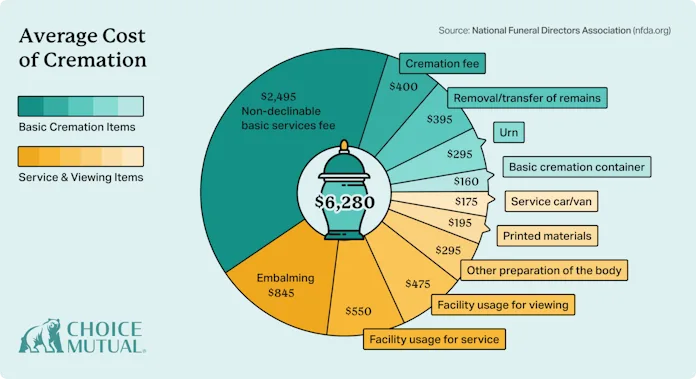
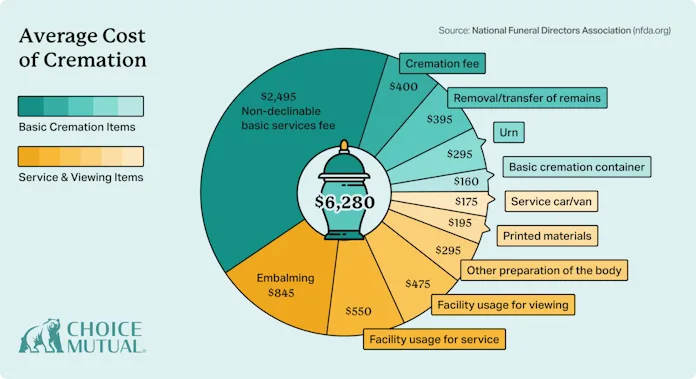
Regardless of service type, most cremation packages include several standard charges. Understanding these fees helps clarify why the final bill looks the way it does.
Basic Service Fee (Non-Declinable): This mandatory fee covers administrative and professional services such as filing death certificates, securing permits, and coordinating logistics. Most providers include staff time, overhead, and planning support in this charge.
Transportation & Storage: These costs cover transferring the deceased from the place of death (hospital, nursing home, or residence) to the funeral home or crematory. If cremation is not immediate, refrigeration or temporary storage may add extra fees.
Cremation Process: The crematory itself charges for the use of the chamber, monitoring equipment, and staff overseeing the procedure. This is the central fee in any cremation arrangement.
How Do Costs Vary by Service Type?
The biggest factor in cremation pricing is the type of service chosen. Families should consider their preferences, traditions, and budget before deciding.
Direct Cremation
This is the most affordable option because it skips embalming, viewing, and a formal funeral service. The package usually includes transportation, the cremation itself, and a basic container for the ashes.
Estimated Cost Range: $1,000 – $3,000
Cremation with a Memorial Service:
Families who want a gathering after cremation can choose this option. Additional expenses may include chapel or venue rental, staff for the service, printed programs, and multimedia displays.
Estimated Cost Range: $2,500 – $7,000
Full-Service Cremation
This is the closest to a traditional funeral, with embalming, body preparation, viewing, a funeral ceremony, and often a casket rental before cremation takes place. Families choosing this route typically want to preserve traditional rituals.
Estimated Cost Range: $4,000 – $6,000+
What Additional or Optional Costs Should You Expect?
Beyond the core services, families often encounter optional charges depending on how they wish to memorialize their loved one.
- Urns and Keepsakes: Urns range from $50 for a simple container to $500+ for decorative models, while cremation jewelry or custom keepsakes may run $100 – $1,000.
- Death Certificates: States charge for official copies, often $10 – $25 each. Multiple copies are usually needed for legal, financial, and estate purposes.
- Obituaries: Publishing in local newspapers may cost anywhere from $100 to $600, depending on length and placement.
- Additional Services: Some families request witness cremation (being present during the process), expedited services, or handling of oversized remains, which can all add fees.
- Ceremony & Venue Fees: Renting a chapel, hiring clergy or celebrants, and purchasing flowers can add hundreds or even thousands of dollars, depending on the scale of the event.
What Key Factors Influence the Final Price?
Several external factors also determine how much cremation ultimately costs.
Geographic Location: Prices can vary widely. Urban areas and coastal states typically charge more than rural regions or the Midwest.
Provider Type: Traditional funeral homes often bundle cremation with higher service fees, while cremation societies and direct providers may offer simpler, lower-cost options.
Urgency of Arrangements: At-need services, arranged after a death, are usually more expensive than pre-planned services purchased in advance.
How Can Families Save Money on Cremation Services?
Although cremation is already more affordable than burial, families can still lower costs with careful planning.
Pre-Planning: Making arrangements in advance often locks in today’s prices, eases emotional stress, and ensures personal wishes are honored.
Comparing Providers: Families should request a General Price List (GPL) from multiple providers to compare services line by line.
Purchasing Items Separately: Urns, caskets, and keepsakes can be bought from third-party vendors at lower prices than funeral homes typically charge.
Simplified Services: Choosing direct cremation, with or without a modest memorial, is the most budget-friendly option.
Conclusion
Cremation costs can vary widely, but the primary price drivers are the type of service chosen, geographic location, and provider. Direct cremation is the most affordable option, while full-service cremation is closer in price to a traditional burial.
Transparency and planning are key. By understanding the breakdown of fees and comparing providers, families can make informed choices that honor their loved one without unnecessary financial strain. Ultimately, cremation services provide flexibility and dignity while allowing families to balance meaningful remembrance with affordability.