



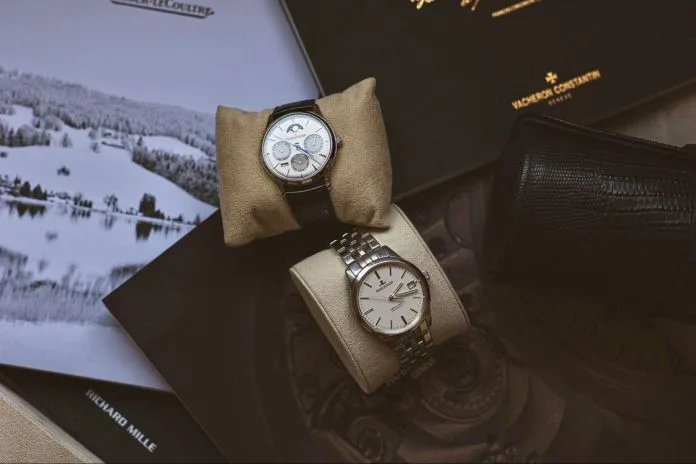
For years, the global watch market has been dominated by smart devices boasting heart-rate sensors, sleep trackers, and voice assistants. Yet in parallel, something unexpected is happening: mechanical watches are making a comeback. While many smartwatch users look for ways to personalize their devices, often choosing to shop premium watch straps at CNS Watch Bands, a growing number of consumers are rediscovering the craftsmanship, tradition, and tactile experience of mechanical timepieces.
This renewed interest blends nostalgia with a desire for permanence in a world increasingly defined by disposable technology.
A Market Rebound in the Face of Tech Growth
The smartwatch industry has been booming, with global sales projected to surpass 200 million units in 2025. But mechanical watches have not been sidelined. According to data from the Federation of the Swiss Watch Industry, exports of Swiss mechanical watches grew by more than 8% in 2023, driven by both luxury buyers and younger consumers entering the market.
Unlike the rapid product cycles of wearables, mechanical watches are built for longevity, often serviced and passed down across generations. This durability appeals to buyers who see them as not just accessories, but investments.
Why Mechanical Watches Still Matter
- Craftsmanship and heritage
Mechanical watches carry centuries of tradition. Each gear, spring, and jewel reflects artisanal precision that stands in contrast to mass-produced digital devices. - Status and symbolism
A fine mechanical watch often signals taste and accomplishment. For many, it is a milestone purchase tied to professional or personal achievement. - Emotional connection
Winding a mechanical watch or hearing the ticking of its movement creates a tangible link between wearer and object. This sensory ritual cannot be replicated by a digital screen. - Longevity over obsolescence
While smartwatches can become outdated in a few years, a well-maintained mechanical watch may last decades, or even centuries.
A Younger Generation of Buyers
Surprisingly, the resurgence isn’t limited to older collectors. Millennials and Gen Z buyers are entering the mechanical watch market in growing numbers.
Why? Many are seeking balance between fast-changing tech and timeless objects. They want items that ground them, signal individuality, and provide a break from screen dependency.
Social media has also played a role. Platforms like Instagram and TikTok showcase watch culture, encouraging younger audiences to explore mechanical pieces, from vintage Seiko divers to modern Swiss automatics.
Smartwatches and Mechanical Watches: A Coexistence
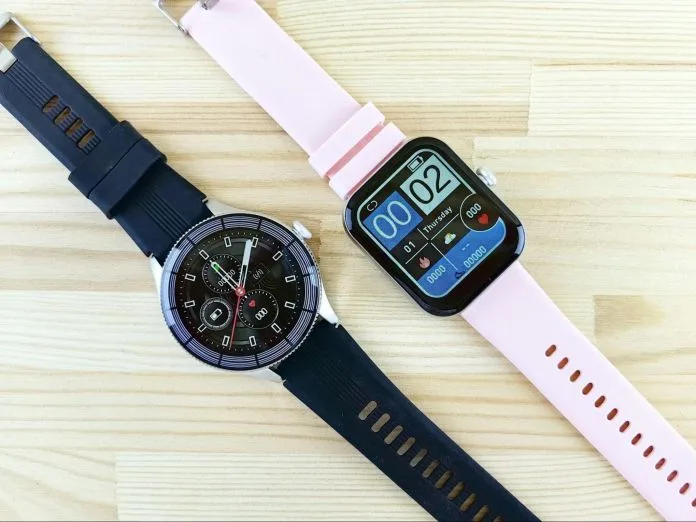
The revival of mechanical watches doesn’t mean the decline of smartwatches. Instead, many consumers own both, wearing them on different occasions.
- Smartwatches dominate during workouts, commutes, and productivity hours.
- Mechanical watches often come out for dinners, meetings, or weekends when style and presence matter.
This coexistence reflects a more diverse accessory culture, where watches are chosen as much for identity as for utility.
The Role of Straps in the Watch Renaissance
Customization is central to both smartwatch and mechanical watch communities. Straps allow wearers to adapt a watch to different outfits or moods.
Leather, metal bracelets, NATO nylon, and exotic materials are all making comebacks. Swappable straps also help consumers refresh the look of an older watch without buying a new case. This versatility has boosted secondary markets for straps and fueled interest in independent makers.
Sustainability and the Circular Economy
Another factor driving mechanical watch interest is sustainability. In contrast to electronic devices with short lifespans and recycling challenges, mechanical watches are inherently circular. Parts can be replaced, and movements can be repaired indefinitely.
This resonates with environmentally conscious buyers. In McKinsey’s “In Fine Jewelry and Watches, Sustainability Shines Through”, the authors explore how younger consumers are rejecting brands that ignore environmental and ethical practices.
Meanwhile, the strap market has also adapted: recycled textiles, plant-based leathers, and metal reclaimed from consumer goods are becoming more widely available.
Vintage and Pre-Owned Boom
The pre-owned mechanical watch market is booming, with platforms like Chrono24 and WatchBox reporting record activity. Buyers are drawn to discontinued models, unique patina, or historically significant timepieces.
Pre-owned also lowers the entry barrier, allowing younger buyers to explore mechanical watches without committing to luxury-tier pricing. For sellers, watches can retain or even grow in value, unlike digital devices that depreciate rapidly.
Challenges Ahead
Despite the momentum, mechanical watches face challenges:
- Price barriers: many luxury models remain prohibitively expensive.
- Limited features: mechanical watches cannot replicate health tracking or connectivity.
- Global economic uncertainty: recessions often reduce discretionary spending on luxury goods.
Still, these challenges coexist with a steady undercurrent of demand from enthusiasts, collectors, and new buyers.
As technology advances, mechanical watches are unlikely to reclaim mass dominance. But their resurgence shows that in a world of constant notifications and software updates, many consumers crave permanence, artistry, and identity.
The future is not about competition but coexistence. Smartwatches will continue to evolve with AI and health integration, while mechanical watches will endure as symbols of tradition and individuality. Together, they reflect how consumers today navigate both progress and heritage in shaping personal style.