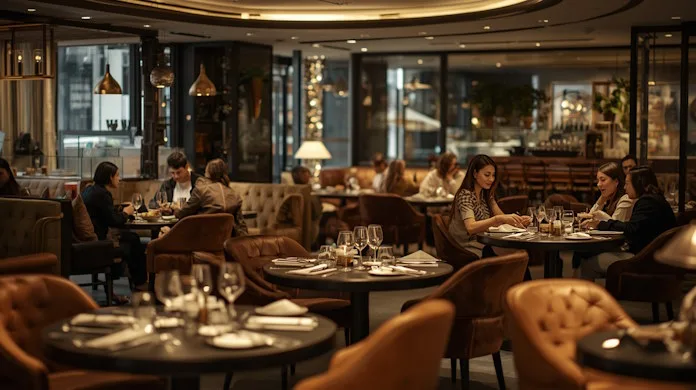
When people enter a dining area, the food is not necessarily the first thing that they notice or even the smell of it. Their gaze is straight into the room: into the tables, into the chairs, into the lighting and the feel of it all. That initial impression is determined by the restaurant furnishings, albeit silently. Its contribution to comfort, mobility, and style can make or break the experience of the guests as they either get comfortable or begin to look at the door. A room is more than just filled with quality pieces such as Vogue Decor restaurant chairs. They provide ambiance, control flow and establish the mood on how long the guests wish to remain.
An interior that is designed properly will be inviting to people to relax and socialize. Well-built tables make one confident when the plates are resting on them; cushion furniture makes the conversation continue. The privacy can be created or ruined even with the distance between chairs. The furniture in the modern dining environment is not a backdrop in the current competition of the food industry, but it is a part of it. Doing it right is the ability to realize that design, durability and comfort are all part of a single tale.
The Case of Why Furniture Matters More Than You Think.
Visual Identity
One of the most evident indications of the identity of a restaurant is furniture. Visitors read between the lines of the tables and chairs long before they find out what is on the menu or even get to taste what the food is like. Scandinavian serenity can be suggested by clean lines and pale wood, whereas the heavy leather, brass accents, or dark stained beams can give an idea of the solidity and coziness of an old fashioned steakhouse. Even unpretentious restaurants employ seating to tell a story: the bentwood chairs in a cafe are a hint to the European charisma, and harsh metal stools should be in an industrial coffee bar. As customers take photos to use with social media the furniture frames their experience- it defines the backdrop of the meal, the individuals in the shot, and the atmosphere they are creating.
Comfort Equals Time
Comfort is also equally powerful. The seating should be designed to have the guests relax, converse and have a second course or dessert without the feeling that they are hurried. It has back-supporting upholstery that cushions the seat and makes the conversations flow and makes people to spend a little bit more time and money. In comparison, the wobbling chairs or those that slice legs make the visitors leave earlier and this can cost in sales as well as reputation. Long sittings pieces will mean that the restaurant takes hospitality as important as presentation is.
Flow and Function
Function is the third pillar. Considerate selection of furniture also ensure that service is in order and that the environment does not get out of control. Tables must be roomy in order to accommodate entrees, sides, beverages, and a bottle of wine without being crowded. They should also be seated at a position where staff can easily clear plates and also set new dishes without having to strain their bodies. The room area in between tables is what defines the ease of movement of the guests and servers. Being too near it becomes too intimate, too distant it becomes too remote; midway is the best. The correct balance allows employees to move smoothly between chairs, eliminates spillage, and gives customers the feeling that they are not confined.
The Bigger Picture
In total, the furniture does not simply adorn the space, but silently controls the way people look, sit and interact within the space. This is why restaurateurs who find the time to combine furniture with brand, comfort, and workflow tend to have more places that guests will spend a longer time, order more, and visit repeatedly.
Restaurant furniture is an area with several major factors that can be considered.
Seating
Chairs and stools serve much more than just to provide a seat. They determine the posture, provide rhythm to the way individuals eat, and dictate the mood in which the whole meal would be. Upholstered chairs are good where there is a fine dining atmosphere or relaxed lounges where one would want to sit back to have an extra drink or savor dessert. Wooden bistro chairs on the other hand fit cafes and other fast-casual establishments wherein, the turnover factor is critical and furniture needs to remain light and convenient. Banquettes give an extra dimension to walls, and offer intimacy to the walls and maximize floor space without eliminating style. By investing into good quality item like Vogue Decor restaurant chairs, it is possible to combine style, comfort, and durability, which makes a space remain friendly without taking up too much room in the room.
Tables
The table selection has equally as much influence on the guest satisfaction as the seating. Space is critical–a diner must have a space between 24 and 30 inches to make him or her feel not crammed. The shape has a meaning as well, round tables are more inviting to talk to and small groups feel more united, and rectangular tables are good in the way they facilitate service to larger groups. Regardless of the shape you adopt, the surface should be able to endure frequent usage. Find the materials that cope with the heat of the dishes, they should not be stained during the spillage, and should be able to be cleaned frequently without losing the finish.
Layout
Even the most superior chairs and tables do not work when the layout does not favor the dining. The seats must not be many to the level of obstructing easy movements around the room. Visitors like having adequate room to enjoy their meal without feeling like they are being crowded with strangers and employees require proper access to the service to carry dishes, refill drinks, and clear tables in a short time. An intelligent floor plan will mix intimacy and accessibility in order to create a flow that will ensure smooth service and keep the diners relaxed.
Furniture should be matched with theme restaurants.
Rustic Farmhouse
The farmhouse environment is also a rustic environment and therefore warm and textured, and the furniture must reflect the same tone. Wood tables made of reclaimed wood provide the room with historical and craftsmanship ground. Seating can be optimized with a mixture of woven elements or without the use of metals, so that it looks like it was made by a handyman without cluttering the area. The cushions are soft and neutral and this finishes the picture, making the guests feel at home but maintaining the palette relaxed and welcoming.
Urban Minimalist
In the case of restaurants pursuing an urban minimalist look, furniture must be smooth, effective, and non-noisy elegant. The footprint is maintained by slim steel frames, and the use of monochrome colors allows the lines of the architecture to communicate. Small, stackable chairs can be used in flexible designs, so that employees can adjust the room to suit small groups or large gatherings without disruption to the neat aesthetic.
Classic Bistro
A traditional bistro demands a furniture that directs to old time hospitality. Bentwood chairs are an immediate introduction to character, with their curvy shapes indicating tradition and comfort. Marble or expensive timber tabletops offer a nice spot to enjoy morning coffee as well as late-night wine. The antique look is further reinforced by such details as brass foot rails and coats hooks, and it produces the effect that the guest is able to spend longer chatting and enjoying good food.
Bullet Point Recap: Selecting the Right Pieces.
You should first come up with a definition of what your restaurant is before you start shopping furniture. An image of how you desire the atmosphere, whether one that is cozy and rustic or sleek and modern will inform all the decisions. After appearance and feel is known, accurately measure your area so that all tables and chairs can fit in without overcrowding both guests and employees. In the hierarchy of good things, comfort must be your number one priority and in this regard, it is always advisable to test chairs before your meal to determine how well they assist your posture and movement throughout the meal. Also pay attention to finishes, use something that is resistant to scratches, stains and much use so that the pieces retain their attractiveness over the years. Lastly, replacement availability should be taken into consideration, should your business grow or you just need to swap out an item or two- buying furniture through a reputable supplier will mean consistency and will keep your dining room looking new.
Conclusion
Furniture in the restaurant is not a decor, it is the essence of the dining experience. As a guest walks through the door, all the chairs and tables create the expectations of quality, care, and style. High quality products give the comfort which keeps the people interested, whereas their bad decisions reduce the visits and reputation. Chairs such as Vogue Decor restaurant chairs show that it is not necessary to either compromise between style and strength. Considerable arrangement of seating, tables, and design makes a room a place guests will want to stay, eat and revisit.