


Since 1967, International Literacy Day (ILD) has been observed every year globally on 8 September, reminding governments, practitioners and citizens that literacy is a fundamental human right. Beyond the ability to read, literacy enables the enjoyment of other freedoms, the building of more equal societies, and the fostering of respect, justice and tolerance across the globe.
Yet progress has been uneven. Today, at least 739 million youth and adults worldwide still lack basic literacy skills. Four in ten children fail to reach minimum reading proficiency, and more than 272 million children and adolescents remain out of school. These sobering numbers underpin this year’s ILD theme, “Promoting Literacy in the Digital Era.”
The State of Literacy in South Africa
For South Africa, the global crisis has a particularly urgent face. The 2021 Progress in International Reading Literacy Study (PIRLS) revealed that more than eight out of ten Grade 4 learners cannot read for meaning in their home language. The country ranked lowest out of the 43 participating nations, trailing behind several lower-income countries such as Egypt and Iran.
This reality has far-reaching consequences. Literacy is not only the foundation for academic success but also a prerequisite for economic growth, social mobility and digital participation. In an economy grappling with inequality, unemployment and the pressures of technological change, a generation of learners who cannot read fluently risks being excluded from opportunities in the Fourth Industrial Revolution.
Towards Inclusive Solutions
This year’s ILD theme is a timely reminder that literacy extends beyond reading and writing on paper. In the digital age, it encompasses the ability to access, evaluate, create and communicate information across online platforms. Just as importantly, it includes critical thinking that involves discerning credible sources from misinformation and navigating complex information environments safely.
A literacy turnaround requires multiple levers working together. This means books in classrooms, accessible digital tools, as well as teacher training and inclusive technologies. Fortunately in South Africa there are green shoot interventions aimed at bridging these gaps.
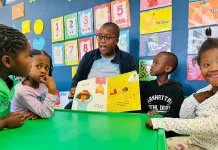
One example is the work we do at iSchoolAfrica, helping under-resourced schools and vulnerable learners. The iSchoolAfrica iPad Learning programme focuses on ensuring access to the basics of literacy and digital competencies. Our model integrates technology with pedagogy, providing schools with iPads pre-loaded with curriculum-aligned content, supporting teachers through training and mentoring, and enabling learners to explore stories and vocabulary interactively. Crucially, the programme also prioritises access in mother-tongue languages and integrates accessibility features so that learners with disabilities can participate meaningfully.
Inclusion is not an optional add-on in the literacy agenda. Through initiatives such as our Disability Inclusion Programme, learners in schools for the Deaf, physically disabled, or neurodiverse are supported with assistive technology and tailored apps, ensuring that literacy efforts leave no child behind. Similar approaches are also being piloted in hospital schools, where children undergoing long-term treatment can stay connected to learning through digital literacy tools.
A Call to Action
International Literacy Day serves as a reminder that South Africa’s literacy crisis is both a national emergency and an opportunity for transformation. Literacy opens the door to dignity, agency, and opportunity. It empowers citizens to participate in the economy, embrace digital tools, and contribute to building more inclusive, peaceful societies.
The task ahead requires sustained commitment from government, the private sector, civil society, and communities.
In a world where more than 80% of South African children cannot yet read for meaning, the message of International Literacy Day is clear: literacy is not negotiable. It is the foundation on which a fairer, more prosperous, and more sustainable future depends.