






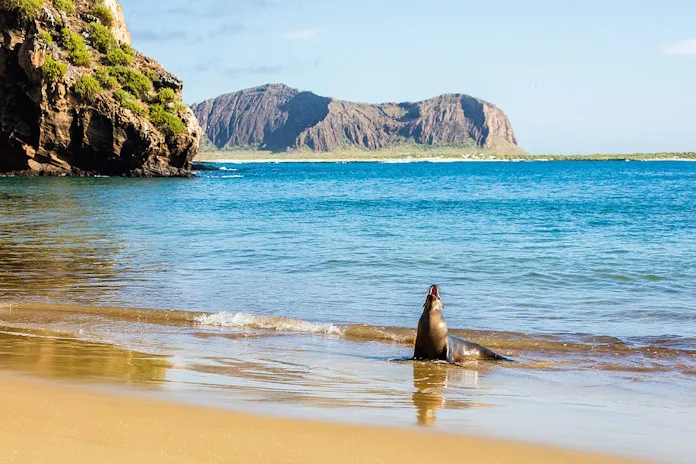
For many travelers, setting foot in the Galapagos Islands is more than a holiday—it’s a bucket-list dream, a once-in-a-lifetime chance to step into a living natural wonder. Imagine wandering past giant tortoises that have been around for over a century, snorkeling alongside playful sea lions, or spotting blue-footed boobies dance across volcanic landscapes. This unique archipelago, sitting 600 miles off the coast of Ecuador, is one of the few places on Earth where wildlife thrives with little fear of hum…
A cruise is often the most rewarding way to explore the islands, offering a chance to move between remote destinations while minimizing environmental impact. But unlike a typical Caribbean getaway, a Galapagos cruise requires thoughtful planning. From when to go, to how to choose your ship, to what to pack—getting these details right can transform your trip from great to extraordinary.
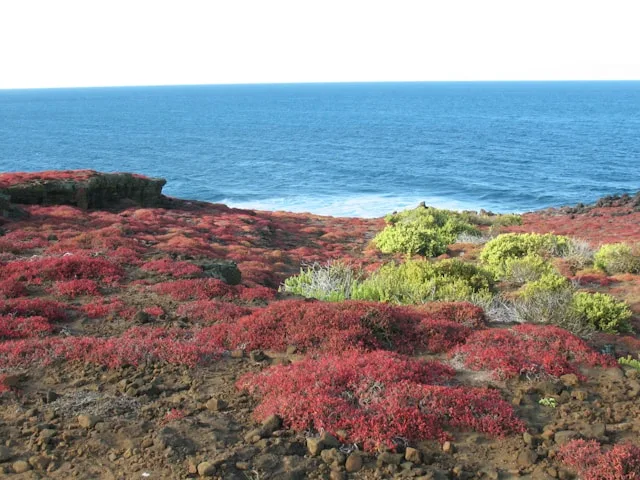
When Is the Best Time to Cruise the Galapagos?
The good news is that the Galapagos Islands are a year-round destination. The weather and wildlife activity shift slightly through the seasons, so the “best time” really depends on what you want to see and experience.
December to May: These warmer months bring calm seas, plenty of sunshine, and prime conditions for snorkeling and swimming. The waters are clearer, and it’s also mating season for many bird species, meaning lively displays of courtship.
June to November: The cooler, drier season is influenced by the Humboldt Current, which draws in nutrient-rich waters. This is the best time for spotting marine life like manta rays, penguins, and schooling hammerhead sharks.
If your goal is to enjoy smooth sailing and warm beach weather, the early part of the year is ideal. For wildlife enthusiasts hoping to see more marine action, the cooler months are unmatched.
How Long Should You Go For?
Cruises typically last anywhere between four and eight days. While shorter trips can give you a snapshot of the islands—perhaps a few days of snorkeling, hiking, and wildlife watching—longer voyages allow deeper immersion.
An eight-day itinerary might take you across the western islands, known for dramatic volcanic landscapes and penguin colonies, as well as the eastern isles, rich in history and birdlife. With more time, you’re not only able to see a wider variety of landscapes but also observe how the ecosystems shift from island to island.
For those who want the full Galapagos experience, a week-long cruise is often worth the investment.
Choosing the Right Vessel
The type of ship you choose will define much of your experience. Galapagos vessels are small by global cruising standards—most carry between 16 and 100 passengers.
Small yachts (16–20 passengers): Offer intimate settings, personalized attention, and access to less crowded visitor sites. Perfect if you want a private, adventurous feel.
Catamarans: Known for stability and comfort, these are a good balance between small-group intimacy and modern amenities.
Expedition ships (48–100 passengers): Larger vessels with more space, added comforts like hot tubs and lecture rooms, and a wider range of guides. Ideal for travelers who want a blend of exploration and convenience.
When comparing ship sizes and itineraries, resources like GalapagosIslands.Travel can help travelers see the differences and choose the option that matches their style of adventure.
What to Pack for a Galapagos Islands Cruise
Packing for the Galapagos is different from your average holiday. The islands demand practicality and comfort, as much of your time will be spent outdoors. Here’s what seasoned travellers recommend:
- Lightweight, breathable clothing – Temperatures can be hot, but humidity varies.
- Sun protection – A wide-brimmed hat, polarized sunglasses, and reef-safe sunscreen are essential.
- Footwear – Sturdy walking shoes or sandals with good grip are needed for “wet landings” on rocky shores.
- Swimwear & snorkelling gear – While equipment is often provided onboard, many travellers prefer bringing their own mask for comfort.
- A light rain jacket – Showers can appear out of nowhere.
- Binoculars and a camera – Wildlife encounters are close, but you’ll want to capture every detail.
The Importance of Booking with the Right Provider
One of the most important steps in planning is choosing a reliable provider. The Galapagos Islands are a UNESCO World Heritage Site, and strict regulations are in place to protect their fragile ecosystems. Responsible cruise operators follow guidelines that limit visitor numbers and ensure sustainable practices.
Booking through an experienced company not only gives you peace of mind but also ensures you’re traveling in a way that respects the islands’ natural balance. If you’re ready to start planning, GalapagosIslands.Travel offers guidance to match your budget and itinerary with the right ship.
A Journey Like No Other
What makes the Galapagos so unique is not just the wildlife or landscapes, but the way you’ll experience them. On most cruises, your days begin early, often with a sunrise landing where the beach is alive with sea lions or marine iguanas warming themselves on the rocks. By afternoon, you may be snorkeling in crystal-clear waters with schools of tropical fish or kayaking past cliffs where frigatebirds soar. Evenings are spent under starlit skies, often with naturalist briefings that help you understand th…
Every day feels like stepping into a living documentary—a reminder of what our planet was like before modern development. It’s both humbling and exhilarating.
Final Thoughts
Planning a Galapagos cruise isn’t just about booking a ship—it’s about creating the framework for an adventure you’ll never forget. By choosing the right season, the right length of trip, and the right vessel, you’ll set yourself up for days filled with wildlife encounters, breathtaking landscapes, and a deep appreciation for one of Earth’s last untouched frontiers.
Whether you’re drawn by the promise of close-up encounters with giant tortoises or the thrill of snorkeling with penguins, a well-planned cruise ensures you’ll experience the Galapagos in the way it deserves—respectfully, responsibly, and memorably.





,_Punta_Pitt,_isla_de_San_Crist%C3%B3bal,_islas_Gal%C3%A1pagos,_Ecuador,_2015-07-24,_DD_11.JPG)