



Every winter, emergency departments across North America brace for a familiar surge: patients suffering from frostbite, hypothermia, and injuries caused by icy conditions. These cases often spike in the days following major storms, when freezing temperatures, treacherous roads, and power outages combine to put lives at risk. Hospitals already stretched thin by seasonal flu and respiratory illnesses are forced to absorb an additional wave of preventable emergencies.
What’s often overlooked, however, is that many of these health crises can be mitigated or even avoided entirely with the right winter PPE. Long associated with workplace safety, winter PPE deserves recognition as a powerful public health tool.
Winter PPE as a Frontline Health Intervention
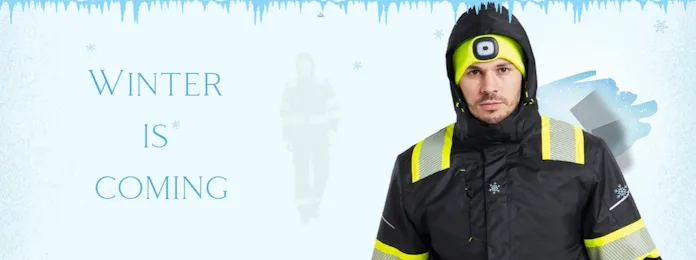
Insulated jackets, thermal gloves, waterproof boots, and protective headgear don’t just keep workers safe on job sites, they keep entire populations safer during winter events. By shielding people from cold stress, this gear reduces the risk of frostbite and hypothermia. High-visibility clothing adds another layer of protection by lowering the likelihood of pedestrian or roadside accidents during snowstorms and low-visibility conditions.
In public health terms, winter PPE functions much like vaccines or preventive screenings: it reduces the likelihood of harm before it requires costly hospital treatment. Each avoided ER visit represents both a life protected and a burden eased on healthcare systems.
The Expanding Risk Landscape
Traditionally, cold-weather health risks have been concentrated in northern states, where residents and infrastructure are better prepared. But shifting climate patterns are changing that reality. The January 2025 storm blanketed the Southern U.S. with snow and ice, affecting millions of people in regions unfamiliar with such conditions. In areas where few households own insulated boots or thermal gloves, the risks of injury and illness are amplified.
Public health experts warn this trend will continue. Communities historically spared from blizzards must now prepare for unexpected freezes, meaning winter PPE distribution should become a staple of emergency planning in both northern and southern regions.
Integrating Winter PPE Into Public Health Planning
To fully harness the preventive power of winter PPE, communities must treat it as a public health resource not just an occupational requirement. This includes:
- Stockpiling and distributing winter PPE kits to vulnerable populations such as seniors, schoolchildren, and low-income households.
- Educating residents on the importance of insulated, wind-resistant clothing and footwear during cold snaps.
- Pairing winter PPE with other interventions, including heating shelters, food aid, and vaccination drives, to form a holistic winter readiness plan.
- Partnering with employers to ensure outdoor workers who often make up the highest number of cold-stress cases are equipped with gear that meets safety standards.
A Public Health Priority
Every case of frostbite or hypothermia represents not just an individual tragedy but a systemic failure to prevent avoidable harm. Winter PPE may not carry the same weight in public discussion as vaccines or emergency shelters, but its role in preventing cold-weather health crises is undeniable.
By weaving winter PPE into public health strategies, communities can reduce ER visits, save healthcare resources, and most importantly, protect lives. As climate unpredictability grows, preparation must expand beyond traditional measures. This winter, safety should start with something simple yet powerful: keeping people warm, visible, and protected.