Electric bikes are changing the way people commute, explore, and enjoy cycling. But if you’re in the market for one, you’ll quickly face a big question: Should you buy a folding electric bike or a regular e-bike?
Both options come with unique benefits, and the right choice depends on your lifestyle, commute, and storage needs.
In this guide, we’ll break down the key differences between folding and standard e-bikes.
You’ll learn how they compare in portability, comfort, performance, price, and maintenance so you can confidently choose the best fit for your riding style.
Key Factors to Consider Before Buying
Before comparing bike types, think about how you’ll actually use your e-bike. Choosing smartly upfront helps you avoid frustration later and ensures your investment matches your daily needs. If you want to explore this topic in more detail, take a look at this full guide on choosing an electric bike.
Some factors worth thinking about include:
- Commute distance and terrain – Are you tackling city streets, long suburban rides, or steep hills?
- Storage space – Do you live in a small apartment, or do you have a garage or bike shed?
- Budget – What’s your comfort zone for price, and do you prefer upfront savings or long-term value?
- Lifestyle priorities – Is easy portability more important than comfort on long rides?
- Future needs – Will you use it just for commuting, or also for weekend adventures?
Folding Electric Bike vs. Regular E-Bike: Key Differences
Folding electric bikes are compact, portable, and perfect for short city commutes or small storage spaces, while regular e-bikes offer more power, comfort, and range, making them better for longer rides and riders with dedicated storage.
Here’s a quick comparison table:
| Feature | Folding Electric Bike | Regular E-Bike |
| Portability | Easy to fold and store in small spaces | Bulkier, needs garage or rack |
| Comfort | Compact frame, less stable on rough terrain | Larger wheels, smoother rides |
| Performance/Range | Shorter range, smaller motors | Longer range, more power |
| Price | Usually cheaper, but premium models exist | Wider price range, more options |
| Maintenance | Hinges and joints need extra care | Simpler frame, often more durable |
Now, let’s look deeper at each of these differences to help you decide which bike type best fits your lifestyle.
Portability and Storage
Folding electric bikes are designed for riders who value convenience. They fold down small enough to fit under a desk, in a car trunk, or in a closet.
This makes them ideal for apartment dwellers, train commuters, or anyone short on storage space. The tradeoff is a more compact frame that can feel less stable on rough roads.
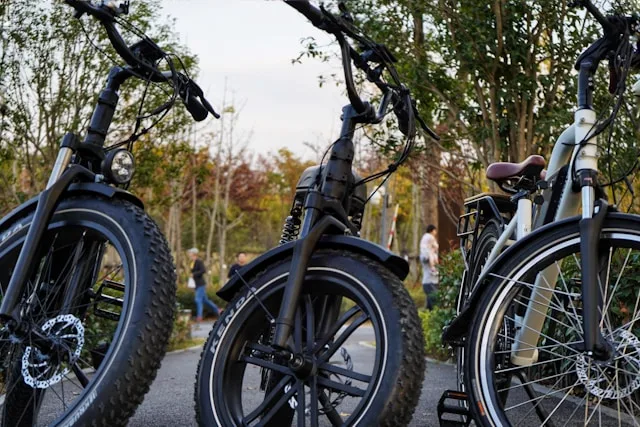
Regular e-bikes, by contrast, are built for sturdiness rather than compactness. They don’t fold and require larger storage areas like a garage or outdoor rack. They may not be practical if you need to carry your bike upstairs or store it inside small spaces.
Comfort and Ride Experience
Comfort is one of the biggest differences between folding and regular e-bikes. Folding models often have smaller wheels (16–20 inches), which can make the ride bumpier and less stable on uneven terrain. The smaller frames also feel more compact, which might not suit taller riders.
Regular e-bikes usually come with larger wheels (26–29 inches) and full-size frames. This gives them better balance, smoother rides, and more comfort for long commutes or weekend adventures. If ride quality matters most, a regular e-bike is the better pick.
Performance and Range
Folding e-bikes are built for short trips, often with smaller batteries and motors. They’re perfect for quick city commutes of 10–20 miles, but they may not be powerful enough for steep hills or long rides without frequent recharging.
Regular e-bikes typically have stronger motors and larger batteries, giving them longer ranges (30–60+ miles per charge) and higher top speeds. They handle hills and heavy loads better, making them more versatile for daily commutes, exercise, or leisure riding.
Price and Value
Folding e-bikes are generally more affordable, with entry-level models costing less than many full-sized e-bikes. Premium folding bikes with advanced features can be pricey, but in most cases, you’ll save money compared to standard models.
Regular e-bikes cover a wider price spectrum, from budget-friendly commuters to high-end performance machines. They often deliver more value in terms of comfort, range, and power, especially if you plan to ride frequently or cover long distances.
Maintenance and Durability
Folding bikes come with extra moving parts, like hinges and latches, that need regular lubrication and inspection. Over time, these joints can loosen or wear out if not maintained properly.
Regular e-bikes have a simpler structure with fewer stress points, often making them more durable in the long run. They’re easier to service, and replacement parts are usually more available. For heavy use, a regular e-bike may require less ongoing care.
Who Should Choose a Folding E-Bike?
A folding electric bike is perfect for riders who need flexibility and compact storage without giving up the convenience of powered commuting.
- Apartment dwellers – Ideal if you live in a small space and need to tuck your bike under a desk, bed, or in a closet.
- Public transport commuters – Easy to carry onto trains, buses, or the subway, making last-mile travel stress-free.
- Frequent travelers – Fits neatly in a car trunk, RV, or even some airplanes designed for bike transport.
- Short-distance riders – Best suited for city commutes, errands, and flat terrain where long range isn’t essential.
- Security-conscious owners – Folding bikes can be stored indoors, reducing the risk of theft compared to outdoor racks.
If you are considering one, check out this guide on the best folding electric bike.
Who Should Choose a Regular E-Bike?
A regular electric bike is the right fit for riders who prioritize comfort, range, and stability over portability.
- Daily long-distance commuters – Larger batteries and motors support longer rides without frequent recharging.
- Riders with storage space – A garage, bike shed, or outdoor rack makes it easy to keep a full-size bike.
- Weekend adventurers – Great for trails, steep climbs, or long leisure rides where power and balance matter most.
- Families or heavy-duty users – Handles more weight, making it suitable for cargo, child seats, or panniers.
- Comfort-first cyclists – Bigger wheels and frames mean smoother rides, less fatigue, and better handling on all terrains.
Final Words
Both folding electric bikes and regular e-bikes have unique strengths, and the right choice depends on your lifestyle.
Folding models excel in portability, space-saving, and city commuting, while regular e-bikes shine in comfort, performance, and versatility for longer rides.
By weighing factors like storage space, commute distance, and riding goals, you’ll find the e-bike that best supports your daily routine and helps you enjoy the road ahead.