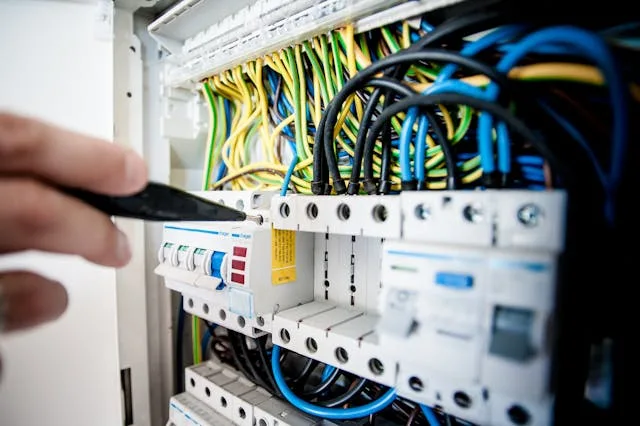
Unexpected electrical surges can cause serious and often irreversible damage to sensitive equipment, leading to costly repairs or complete replacements. From industrial-grade machinery to everyday office devices, electrical systems are increasingly dependent on consistent voltage. This is where a surge protector becomes essential. Designed to detect sudden voltage spikes and divert excess current, these devices form a critical layer of defence between unstable power sources and valuable equipment.
Especially in commercial and industrial settings, incorporating strong surge protectors is a fundamental requirement for operational continuity and safety.
Understanding What Triggers Power Surges
Power surges are brief overvoltage events that can originate from several sources, both external and internal. External causes include lightning strikes, grid switching, or faulty utility equipment. Internally, surges can occur due to the sudden powering on or off of high-energy electrical devices such as air conditioners, pumps, or motors. Even small, repetitive surges gradually wear out components, reducing the life span of equipment.
By analysing patterns, it’s evident that lightning alone accounts for a significant number of equipment failures globally. However, the majority of surges are low-level spikes that happen daily without being noticed, until they cause damage. Hence, the deployment of a surge protector becomes vital across all settings that use electrical or electronic devices.
The Role of Surge Protectors in Electrical Safety
Every surge protector operates on a basic principle: it detects excess voltage and redirects it safely to ground. But beyond this, modern protectors are engineered with precise voltage clamping thresholds and response times. These features ensure that equipment is isolated from fluctuations before damage can occur.
For industrial setups, employing surge protection at distribution panels is essential. It not only prevents downtime but also shields high-value devices like Programmable Logic Controllers (PLCs), data servers, and laboratory instruments. In office environments, computers, printers, and networking devices rely on an uninterrupted, clean power supply. Installing a surge protector at key nodes ensures seamless functioning and prevents unexpected failures.
Types of Surge Protectors and Their Deployment
Surge protection comes in various forms, and selecting the right type depends on the voltage level, environment, and type of equipment in use. Here are the most commonly deployed types:
- Point-of-Use Surge Protectors
These are designed to protect individual devices such as computers, televisions, and appliances. Installed directly into a power outlet, they offer protection for small-scale or household setups. Though easily accessible, their protective scope is limited.
- Panel-based Surge Protectors
Installed at the main service entrance or sub-panels, these protect the entire electrical system of a building. They are typically used in industrial or commercial environments where multiple systems and devices operate simultaneously.
- Uninterruptible Power Supply (UPS) Units With Surge Protection
Many UPS systems incorporate surge protection to provide backup power along with voltage regulation. These are ideal for critical applications like medical equipment or data centres.
Whichever system is used, the choice should be based on a comprehensive risk assessment. Factors such as the geographical likelihood of lightning, load capacity, and the nature of the electrical infrastructure influence the decision-making process.
Long-term Benefits of Using Surge Protectors
Incorporating a surge protector within your electrical setup has several tangible advantages:
- Operational Continuity: Protecting devices from damage reduces unplanned downtime, ensuring business continuity.
- Equipment Longevity: Limiting exposure to voltage spikes extends the lifespan of critical instruments.
- Cost Efficiency: Avoiding the expense of repairs and replacements results in long-term savings.
- Data Integrity: Particularly for IT systems, surge protection prevents data corruption due to unexpected shutdowns or malfunctions.
- Fire Risk Reduction: Some surges can lead to overheating or sparking, which could escalate into fires. Effective surge protection mitigates this risk.
The consistent deployment of surge protection across networks also enhances compliance with safety regulations and electrical standards in industrial settings.
A Strategic Move Towards Reliable Infrastructure
Modern infrastructure relies on a dense network of digital and electrical devices. Any fluctuation can lead to a cascading failure if not mitigated at the source. A properly chosen and installed surge protector acts as a safeguard against such threats.
Moreover, as smart buildings and Industry 4.0 technologies evolve, the need for reliable power quality management becomes more urgent. Surge protection is a foundational step towards building resilient, future-ready electrical systems.
Small Devices, Big Protection
Incorporating surge protection is a decisive step towards safeguarding operational assets in both industrial and commercial setups. These devices serve as the first line of defence against unpredictable voltage events, ensuring equipment longevity, operational efficiency, and personnel safety.
By partnering with reputed energy brands, businesses can gain access to expertly engineered solutions and long-term reliability.