



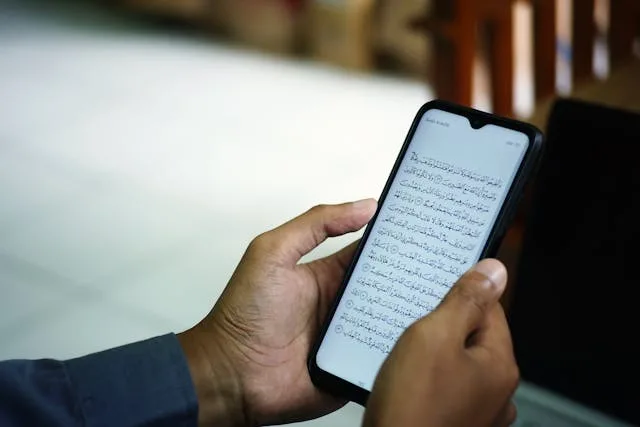
Surah Mulk, also known as Tabarakalladhi Biyadihi Al-Mulk, is one of the most beloved chapters of the Qur’an, widely recognized for its powerful benefits, virtues, and protection from the grave’s punishment. With just 30 verses, it holds immense spiritual weight, as confirmed in authentic Hadith and Sunnah. The Prophet Muhammad ﷺ emphasized its nightly recitation, describing it as a shield, intercessor, and rescuer for the believer. From safeguarding the soul in the grave to granting forgiveness on the Day of Judgment, Surah Al-Mulk has become a daily companion for Muslims worldwide. In this page, you will be reading some researches and microscopic details about Surah Al-Mulk while we will also answer some FAQs about Surah Mulk, its benefits, importance, and recitation practices, so you can better understand why every Muslim should connect with this Surah.
Over centuries, scholars of Islam have studied Surah Al-Mulk not only for its theological insights but also for the special virtues narrated in the Hadith literature, making it a highly recommended recitation in daily life. This article explores the Surah in depth, drawing on authentic references from Qur’an, Sunnah, and classical scholarship.
Revelation and Themes of Surah Al-Mulk
Surah Al-Mulk is a Makkan Surah, meaning it was revealed before the Prophet Muhammad ﷺ migrated to Madinah. Makkan chapters generally emphasize core beliefs of Islam: Tawheed (oneness of Allah), the Hereafter, and Prophethood.
The central themes of Surah Al-Mulk are:
- Allah’s complete sovereignty over creation.
- The perfection of creation as a sign of divine wisdom.
- The reminder of death, resurrection, and accountability.
- The contrast between believers and disbelievers in the Hereafter.
- A strong warning against rejecting divine guidance.
Virtues of Surah Al-Mulk in Hadith
There are numerous hadiths on benefits of reading it. It is regarded as the surah to ease grave punishments for those who recite it everynight after Isha prayer. Here is one of the hadith which verifies it.
Surah Al-Mulk as a Protector from the Grave’s Punishment
Narrated Ibn ‘Abbas: “One of the companions of the Prophet (ﷺ) pitched a tent on a grave without knowing that it was a grave. Suddenly he heard a person from the grave reciting Surah al-Mulk till he completed it. So he went to the Prophet (ﷺ) and said: ‘Oh Messenger of Allah, I pitched my tent on a grave without realizing that is was a grave. Then suddenly I heard a person from the grave reciting Surah al-Mulk till he completed it.’ The Messenger of Allah (ﷺ) said: ‘It is the defender, it is the deliverer – it delivers from the punishment of the grave.’“
Jami` at-Tirmidhi 2890
Surah Al-Mulk as an Intercessor
Jabir ibn Abdullah (RA) narrated that the Prophet ﷺ said:
“Indeed, there is a Surah in the Qur’an of thirty verses that will intercede for its companion until he is forgiven. It is: ‘Tabarakalladhi biyadihi al-mulk.’”
Tirmidhi 2891
Theological Insights from Surah Al-Mulk
1. Recognition of Allah’s Sovereignty
The Surah begins with a majestic declaration:
“Blessed is He in whose Hand is the dominion, and He is over all things competent.”
(Qur’an 67:1)
This verse affirms Allah’s ultimate control over creation, reinforcing the believer’s submission to His authority.
2. Reminder of Death and Accountability
Verse 2 states:
“[He] who created death and life to test you [as to] which of you is best in deed—and He is the Exalted in Might, the Forgiving.”
(Qur’an 67:2)
Here, life and death are presented as divine tests, with human deeds being the criterion for eternal success. Scholars like Ibn Kathir note that this verse reminds Muslims that worldly existence is temporary, and true success lies in righteous action.
3. Signs of Creation
The Surah draws attention to the perfection of the skies and creation:
“Do you see any rifts?”
(Qur’an 67:3)
This reflection leads the believer to contemplate the flawless order of creation as proof of Allah’s wisdom and power.
4. Warning for Disbelievers
The Surah also paints a vivid picture of the punishment awaiting disbelievers in Hellfire (67:6-11), serving as both a deterrent and a call to repentance.
Scholarly Interpretations
- Imam Ibn Kathir (Tafsir Ibn Kathir, vol. 8, p. 180) emphasized that Surah Al-Mulk was specifically called “Al-Munjiyah” (the rescuer) because of its saving power from the punishment of the grave.
- Imam al-Suyuti in al-Durr al-Manthur collected narrations showing that many companions and successors consistently recited Surah Al-Mulk at night.
- Al-Tabari highlighted in his tafsir that the Surah encourages believers to reflect upon the purpose of life, thereby strengthening faith in Allah’s mercy and justice.
What should we do with Surah Mulk?
- Nightly Recitation: By following the Sunnah of the Prophet ﷺ, Muslims can integrate Surah Al-Mulk into their nightly routine. This not only brings blessings but also prepares one spiritually for death.
- Teaching Children: Since it is only 30 verses, it can be easily memorized and taught to children, instilling belief in Allah’s sovereignty from an early age.
- Spiritual Reflection: Beyond recitation, reflecting on the verses deepens understanding of life’s purpose and strengthens reliance on Allah.
Frequently Asked Questions about Surah Al-Mulk
- What is Surah Al-Mulk about?
Surah Al-Mulk (Chapter 67 of the Qur’an) is a Makkan Surah with 30 verses. It focuses on Allah’s complete authority over creation, the purpose of life and death, and the ultimate accountability of human beings. It reminds us that life is a test and urges reflection on the signs of creation. - What are the benefits of reciting Surah Al-Mulk?
The Prophet Muhammad ﷺ described Surah Al-Mulk as a protector from the punishment of the grave. Abdullah ibn Mas‘ud (RA) reported:
“Whoever recites Surah Al-Mulk every night, Allah will protect him from the torment of the grave.”
(Sunan al-Nasa’i 6/179, authenticated by al-Albani)
It also intercedes for its reciter on the Day of Judgment until they are forgiven (Tirmidhi 2891).
- Why is Surah Al-Mulk called Al-Mani‘ah (The Protector)?
The companions of the Prophet ﷺ used to call it Al-Mani‘ah because of its ability to protect from the grave’s punishment. It was also referred to as Al-Munjiyah (the rescuer) for the same reason. - When should I recite Surah Al-Mulk?
The Prophet ﷺ had the habit of reciting Surah Al-Mulk every night before sleeping (Musnad Ahmad 3/340). Hence, the best time to recite it is at night before going to bed. - Is Surah Al-Mulk difficult to memorize?
Not at all. With only 30 verses, it is one of the shorter Surahs of the Qur’an, making it easy to memorize with consistent effort. Many Muslims begin with Surah Al-Mulk when building their memorization routine. - Can Surah Al-Mulk be recited for the deceased?
Yes. Scholars mention that reciting Surah Al-Mulk and asking Allah for mercy on the deceased is permissible, as it is a form of du‘a and intercession through good deeds.