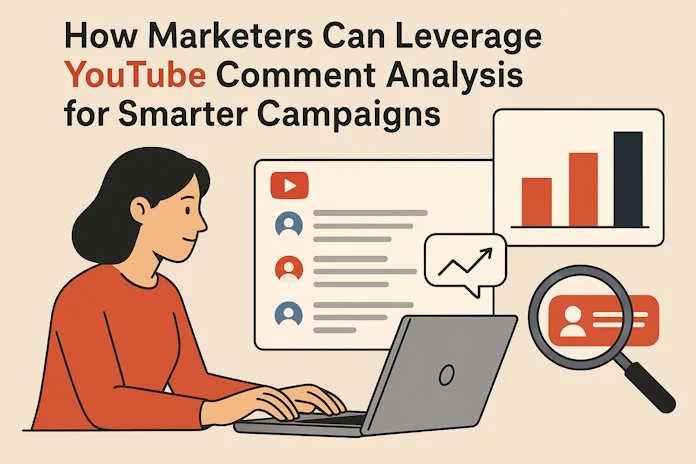
YouTube has become much more than a video-sharing site in the digital-first world today. It has a base of more than 2.5 billion monthly active users making it an essential tool that marketers can use to reach, engage, and convert audiences. Most businesses concentrate on views, likes and shares but one of the most underutilized yet effective sources of information is YouTube comments.
YouTube comments can help provide real audience feedback, real likes and dislikes as well as ideas of what they would like to watch next. Through a systematic study of this feedback, marketers will have the subsequent ability to establish more resonating campaigns, increase interaction and initiative ROI.
In this article, we will discuss the importance of YouTube comment finder and analysis, its main advantages, and how marketers can use it to create smarter campaigns.
Why YouTube Comment Analysis Matters
On YouTube, comments are the most basic way of audience response. Comments provide context, sentiment and intent unlike views or likes which only indicate superficial engagement.
When the viewers bother to leave a comment, they are sharing emotions, opinions or suggestions which cannot be measured through mere metrics. This renders the YouTube comments a goldmine of consumer data to business.
And this is how important they are:
- Real-time feedback: Marketers are able to measure real-time response to campaigns, advertisements or content.
- Raw sentiment: Comments provide true user sentiments, i.e. excitement, frustration or curiosity.
- Trend discovery: New trends in the industry, memes, and cultural changes are usually found in the comments section first.
- Customer pain points: Complaints and criticisms help to indicate where the product or service needs improvements.
Ignoring YouTube comments, the businesses run the risk of missing valuable information that can be used to deliver improved marketing campaigns.
Key Benefits of YouTube Comment Analysis for Marketers
1. Audience Sentiment Tracking
Sentiment analysis is used to reveal what users are positive, negative, or neutral about your content or brand. Take the example of when your newest campaign video attracts hundreds of comments in praise of its creativity, that is an indication that you are doing something right. When, on the other hand, you find recurrent complaints, then you know that it is time to make changes.
2. Improved Customer Understanding
The comments usually have questions, product recommendations or personal experiences. This assists marketers to know what the customers really desire other than the information provided by the analytics dashboards.
3. Content Strategy Optimization
Through comments, you will be able to know what kind of content connects the most. An example is when tutorials always have more passionate feedback than advertisements, you know where to focus your content.
4. Product Development Insights
Quite often, viewers leave direct product feedback in the comments. This is free market research which may be used to inform product enhancement or features in the future.
5. Community Building & Engagement
The reply to comments enables you to create improved relationships with your audience. It is possible to increase trust and loyalty showing that you listen and act.
How to Leverage YouTube Comment Analysis for Smarter Campaigns
We understand why it is important, so now we can see how marketers can actively apply comment analysis to their campaigns.
1. Run Sentiment Analysis Tools
It is not feasible to read thousands of comments manually. Comment sentiment analyses at scale using AI-powered tools indicate the overall mood of the audience. This gives marketers the ability to determine within a short period of time whether the campaign is accepted or rejected.
2. Identify Keywords & Common Themes
Seek repetition of words or phrases in comments. As an example, when a large number of users say too long, it may indicate that your video length is killing engagement. When you see such keywords as funny or inspiring, you will understand what works.
3. Segment by Demographics or Topics
Demographics (e.g., students, professionals, parents) or interest groups can be detected by comments. The personalization of campaigns by segmenting the insights is possible.
4. Spot Emerging Trends Early
Comments tend to respond to viral trends or cultural changes prior to mainstream data. Being updated on this assists brands to come up with campaigns that are relevant and timely.
5. Use Feedback to Improve Ads
When you are running YouTube advertisements, the comments are the one that will inform you whether you are on the right note or not. As an example, negative feedback such as this ad is annoying indicates that there is a necessity to make creative changes.
6. Engage and Respond
Don not analyse, interact. Engaging in comments displays that your brand is friendly and that it cares about customer opinion. This enhances loyalty and builds up your community.
7. Benchmark Against Competitors
Comments on competitor channels can be analyzed in order to get information on what their audiences do not like or like. This competitive intelligence will assist you to avoid the mistakes and beat your competitors.
Real-World Examples of YouTube Comment Analysis in Action
- Tech Companies – Apple and Samsung are examples of such brands as they check the comments on the videos of their product releases to see how customers respond to them. Learnings tend to affect the marketing angles in subsequent campaigns.
- Gaming Industry – Game studios look at the reception of trailers and gameplay footage to determine what fans are most excited about whether it is graphics, storylines or features and tailor the product to that.
- Education Platforms– Online learning companies utilize feedback to know what learners have difficulties with. This informs the production of more useful tutorials or course material.
Best Practices for YouTube Comment Analysis
Marketers are advised to adopt the following best practices in order to derive maximum benefit of comment insights:
- Bring together qualitative and quantitative data: Do not just focus on the numbers, context is also important.
- Seek a trend, not an outlier: Sometimes a couple of negative comments do not translate into failure. Concentrate on recurring themes.
- Keep update strategies: There is a change in comment trends with time. Constant analysis makes campaigns topical.
- Automate balance and review: AI can assist with volume, but human review can bring a detailed interpretation.
- Utilize knowledge in all marketing platforms: Use YouTube data in advertisements, social media and even in email marketing.
The Future of Comment Analysis in Marketing
YouTube comment analysis will grow even more potent as AI and machine learning develop. In the near future, brands will:
- Estimate the success of the campaign through the reaction of the comments early on.
- Automate real-time targeted ad adjustments.
- Make hyper-personalized campaigns by using audience language and tone.
Marketers that begin taking advantage of this strategy sooner will have a competitive advantage since the comment analysis will become a standard practice.
Final Thoughts
YouTube customers do not chatter, instead, they put customer intelligence in fingertips. On closer look, they can assist the marketers in creating improved campaigns, know more about their audience, and stay on par with the competition.
Analyzing comments on YouTube is a must have in market kitty when you are entertaining resonant, converting and loyalty building campaigns.