

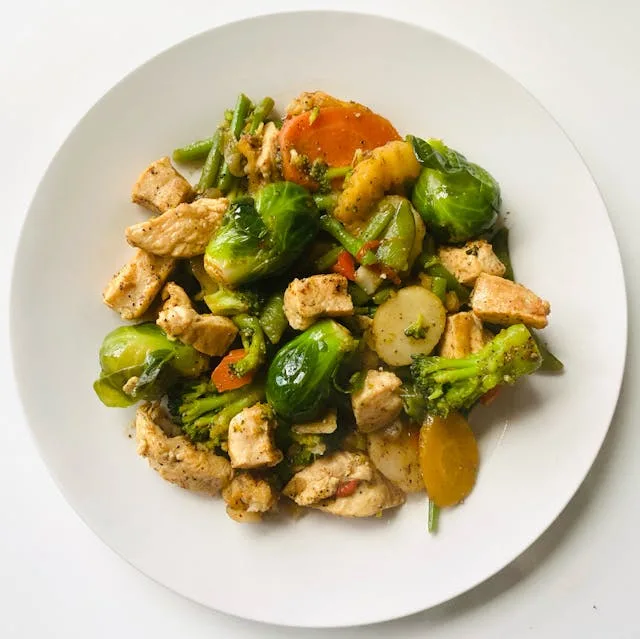
Creating the perfect habanero chicken recipe isn’t just about adding heat. It’s about achieving that ideal balance between fiery intensity and rich, complex flavors. This comprehensive guide will walk you through crafting a restaurant-quality habanero chicken recipe that delivers both punch and sophistication.
Whether you’re grilling for a backyard barbecue or preparing a weeknight dinner, mastering this habanero chicken recipe will elevate your culinary game and impress even the most discerning palates. This recipe also addresses common challenges like uneven heat distribution, dry chicken, and overpowering spice levels that often plague home cooks.
What Makes Great Habanero Chicken
The key to exceptional habanero chicken lies in understanding how to harness the pepper’s natural fruity sweetness while managing its intense heat. Professional chefs know that habaneros offer more than just spice. They provide tropical notes that perfectly complement chicken’s mild flavor.
Understanding Habanero Peppers and Their Heat Profile
Habaneros rank between 100,000 and 350,000 Scoville Heat Units, making them significantly hotter than jalapeños but more manageable than ghost peppers. The pepper’s unique flavor profile combines intense heat with fruity, citrusy undertones that pair exceptionally well with chicken. Fresh habaneros offer immediate heat, while dried versions provide deeper, more complex flavors. Capsaicin is a compound found in these peppers that provides anti-inflammatory and antioxidant benefits.
When selecting habaneros, look for firm peppers with vibrant color and glossy skin. Avoid wrinkled or soft specimens, as these indicate deterioration that can affect both flavor and heat intensity. Store fresh habaneros in the refrigerator for up to two weeks, or freeze them for longer-term storage without significant flavor loss.
Essential Ingredients and Spice Blend Selection
Start with bone-in, skin-on chicken thighs for maximum flavor and moisture retention. Boneless breasts work well for quicker cooking but require careful attention to prevent overcooking.
For the spice blend, combine habanero powder with complementary spices like smoked paprika, garlic powder, and cumin. Professional-grade spice blends offer consistent heat levels and superior flavor development compared to grocery store alternatives. Freshly ground spices release more volatile oils, creating deeper, more complex flavor profiles.
Key marinade components include
- Fresh lime juice for acidity and brightness.
- Olive oil for moisture.
- Honey for sweetness to balance the heat.
- Fresh garlic for aromatic depth.
Specialty ingredients like pineapple juice or mango puree can add tropical notes that complement habanero’s natural fruitiness. These additions also provide natural enzymes that help tenderize the chicken during marination.
Step-by-Step Habanero Chicken Preparation
Marinade Preparation and Chicken Prep
Begin by creating your marinade base at least 4 hours before cooking, though overnight marination yields superior results. Combine 1/4 cup fresh lime juice, 3 tablespoons olive oil, 2 tablespoons honey, and 3 minced garlic cloves in a large bowl. Whisk thoroughly to ensure proper emulsification.
Add your habanero carefully. Start with 1 teaspoon of habanero powder or 1 finely minced fresh habanero with seeds removed. You can always increase heat level but you can’t reduce them once added. Taste and adjust gradually, remembering that flavors will intensify during marination.
Pat the chicken completely dry before adding it to the marinade. Moisture on the surface can dilute flavors. Score the skin lightly to allow deeper penetration of the marinade. Massage the marinade into the chicken, ensuring even coverage, then refrigerate in a sealed container.
Grilling Techniques for Perfect Results
Preheat your grill to medium-high heat (375-400°F) for optimal cooking conditions. Clean and oil the grates thoroughly to prevent sticking and ensure attractive grill marks. Two-zone cooking works best. Create a hot zone for initial searing and a cooler zone for gentle finishing.
Remove the chicken from the marinade 30 minutes before grilling to bring it to room temperature. This ensures even cooking throughout. Pat the surface dry again and season with additional spice blend if needed. Reserve some marinade for basting.
Start skin-side down over the hot zone for 4-5 minutes to achieve crispy skin and grill marks. Flip once and move to the cooler zone to finish cooking. Internal temperature should reach 165°F for food safety. Let it rest for 5-10 minutes before serving to allow juices to redistribute.
Balancing Heat Levels and Flavor Intensity
Managing spice levels requires understanding how different preparation methods affect heat perception. Removing seeds and membranes from fresh habaneros reduces heat by approximately 30-40% while preserving flavor. Roasting habaneros before incorporating them mellows the heat and adds smoky complexity.
Dairy-based sides like cooling cilantro-lime crema or tangy sour cream provide immediate heat relief when needed. Starchy accompaniments such as rice or tortillas help absorb excess spice and create balanced bites. Sweet elements like grilled pineapple or mango salsa complement habanero’s natural fruitiness while providing heat relief.
Professional chefs recommend tasting throughout the cooking process and adjusting seasonings accordingly. Heat tolerance varies significantly between individuals, so consider your audience when determining final spice levels or offer cooling accompaniments to accommodate different preferences.
Serving Suggestions and Perfect Pairings
Complementary sides can enhance the habanero chicken’s bold flavors. Grilled vegetables like zucchini, bell peppers, and corn provide sweet, smoky notes that balance the heat. Beverage pairings should consider both flavor and heat management. Cold beer provides effervescence and cooling properties, while fruit-forward wines complement habanero’s tropical notes. Aguas frescas made with tropical fruits offer refreshing relief from intense heat.
Presentation matters for impressive results. Garnish with fresh cilantro, lime wedges, and thinly sliced jalapeños for visual appeal. Serve on warmed plates to maintain optimal temperature.
Common Issues
Dry chicken often results from overcooking or insufficient marination time. Use a meat thermometer to ensure proper doneness without overcooking. Uneven heat distribution can be addressed through proper spice mixing and even application.
Inconsistent grill temperatures require zone management and frequent monitoring. Flare-ups from dripping marinade can be controlled by maintaining clean grill grates and having a spray bottle ready.
Overwhelming heat levels can be tempered by serving with cooling accompaniments or adjusting spice levels in future preparations. Keep detailed notes about spice quantities and heat levels to refine your recipe over time.