
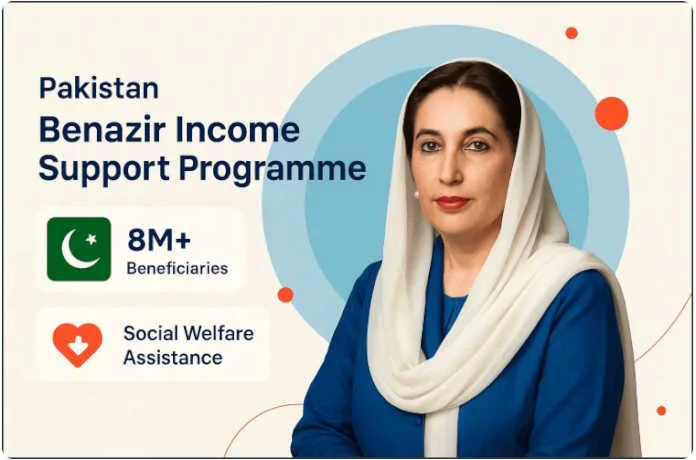
Pakistan has entered a new chapter in public welfare, where digital infrastructure, real-time data, and transparent delivery mechanisms are shaping a more equitable society. At the center of this transformation is the Benazir Income Support Programme (BISP), specifically the BISP 8171 Web Portal. Under the dynamic leadership of Chief Minister Maryam Nawaz Sharif, and supported by the Punjab Socio-Economic Registry (PSER), Pakistan is redefining how governments serve the poor.
This article explores how BISP 8171, PSER, and CM Punjab’s youth- and women-focused initiatives are collectively building a future-proof welfare model for Pakistan — one rooted in transparency, empowerment, and digital governance.
What is BISP 8171?
BISP 8171 is a dedicated digital platform launched to streamline eligibility verification and payment tracking for millions of low-income families. Eligible women receive Rs. 13,500 quarterly payments, verified through biometric authentication and linked with NADRA CNIC records.
Previously, welfare in Pakistan was marred by inefficiencies, favoritism, and manual processes. BISP 8171 has replaced all that with real-time tracking, transparency, and convenience. The 8171 portal allows beneficiaries to:
- Check their eligibility instantly
- Track the status of their payments
- Lodge complaints digitally
- Receive payments via ATM or HBL Konnect agents with thumbprint verification
NADRA Integration and Biometric Verification
What sets BISP apart is its deep integration with NADRA’s national database. Every applicant is verified against live biometric records. This eliminates fraud, fake entries, and duplicate payments — problems that previously drained millions from welfare budgets.
More importantly, women — especially widows, divorced, or disabled individuals — can now access their entitlements without middlemen. Just their CNIC and thumbprint are enough to receive what they rightfully deserve.
PSER – Precision Welfare Through Data
The Punjab Socio-Economic Registry (PSER) is the silent powerhouse behind this system. PSER surveys households across Punjab using tablets and biometric devices. It collects data on:
- Monthly income
- Housing structure
- Education level
- Employment status
- Household size
This information is then used to assign a poverty score, which determines eligibility for schemes like BISP, Taleemi Wazaif, and CM youth programs.
Instead of political favoritism, aid is now distributed based on data, enabling more accurate targeting, reduced leakages, and higher public trust.
Maryam Nawaz’s Youth-Focused Initiatives
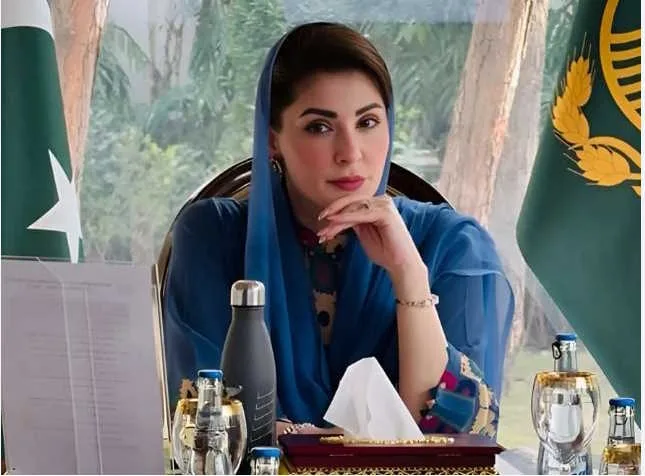
CM Maryam Nawaz Sharif has transformed welfare in Punjab by emphasizing empowerment over dependency. Her administration has launched several youth-focused digital schemes — all integrated with PSER and BISP databases to ensure fair implementation.
1. Asaan Karobar Card Scheme
This scheme offers interest-free loans up to Rs. 1 million to young entrepreneurs. All applications are verified through PSER and NADRA, ensuring that only genuinely deserving youth receive funding. This initiative is helping thousands of unemployed graduates launch small businesses.
2. Punjab Green Tractor Scheme
Targeted at young farmers, this scheme provides heavily subsidized tractors through biometric registration. The goal is to modernize agriculture and support food security while uplifting the rural economy.
3. Punjab Electric Bike Scheme 2025
This scheme provides affordable, environmentally friendly e-bikes to college and university students. Registrations are processed digitally, and eligibility is verified via PSER and CNIC. It’s an effective step toward student mobility and green energy promotion.
Digital Wallets – Empowering Women at Scale
In one of the boldest moves toward financial inclusion, the Government of Pakistan is now opening digital wallet accounts for over 10 million BISP-registered women.
With these mobile-based wallets, women can:
- Receive BISP payments securely
- Withdraw cash or make purchases via QR
- Avoid intermediaries and fraud
- Save and manage their money independently
This initiative promotes not just inclusion, but financial dignity, making women stakeholders in household and community-level decisions.
Benazir Taleemi Wazaif – Investing in Future Generations
The Benazir Taleemi Wazaif program provides stipends of Rs. 2,500 to Rs. 4,000 per child enrolled in school. These payments are made to the mother’s account and verified through school attendance and CNIC linkage.
It’s a two-pronged solution: supporting education while reinforcing female empowerment.
Real-Time Dashboards and Digital Monitoring
All welfare schemes under BISP and CM Punjab are now backed by real-time dashboards. Officials can:
- Monitor disbursement volumes
- Flag anomalies or delays
- Track district-wise performance
- Conduct instant audits
Beneficiaries can use the same portals to check payment updates, ensuring end-to-end transparency.
Rashan Riayat Program – Tech-Enabled Food Relief
The Ehsaas Rashan Riayat program delivers digital food subsidies to verified families. Using QR codes, CNIC, and mobile phone verification, families can avail discounts on essential items at registered shops — no tokens, no queues, no corruption.
This model ensures aid reaches those hardest hit by inflation, especially in urban slums and rural belts.
Public-Private Partnerships
Major telecom companies and banks like HBL, Easypaisa, and JazzCash are actively partnering with the government to ensure smooth cash transfers. These collaborations have:
- Expanded digital payment reach to remote areas
- Reduced dependency on manual agents
- Introduced competition and innovation in service delivery
This hybrid public-private framework ensures scalability and efficiency.
Alignment with Global Development Goals
BISP 8171 and related reforms directly support the UN Sustainable Development Goals (SDGs):
- SDG 1 – No Poverty
- SDG 5 – Gender Equality
- SDG 8 – Decent Work and Economic Growth
- SDG 10 – Reduced Inequalities
Pakistan is becoming a case study in how digital governance and social protection can converge to create a lasting impact.
E-Governance for the Poor
CM Punjab’s model icntegrates welfare schemes with e-governance portals, enabling applicants to:
- Register and verify eligibility online
- Lodge grievances digitally
- Update family information with ease
Multilingual interfaces, biometric logins, and AI-driven dashboards ensure accessibility for the poor, not just the elite.
Conclusion: Digital Welfare With Dignity
Pakistan’s BISP 8171 system is more than a payment platform — it is a symbol of digital justice. It empowers women, supports youth, protects children, and modernizes agriculture — all through data-driven, transparent, and inclusive governance.
Under CM Maryam Nawaz Sharif’s leadership, backed by PSER and biometric security, Pakistan has become a leader in digital welfare transformation. The country’s welfare infrastructure no longer asks people to wait — it meets them where they are, with dignity and speed.
This is how nations build not just systems, but trust.
For More Future Schemes and info, visit Cmp-punjab.com.pk