

Boosting the body’s well-being sometimes feels complicated, but some powerful solutions are right inside everyone. Understanding how to stimulate the vagus nerve isn’t just about science—it’s about feeling calmer, lighter, and more balanced every single day. The vagus nerve, running from the brain through the chest and abdomen, affects nearly every part of the body, from heart and digestion to mood and immune response. Before jumping into trusted techniques for keeping the vagus nerve healthy, here is a valuable tip for even deeper relaxation:
Try Vagus nerve massage: a step-by-step guide for melting tension, improving mood, and supporting nervous system balance.
What Is the Vagus Nerve and Why Does It Matter?
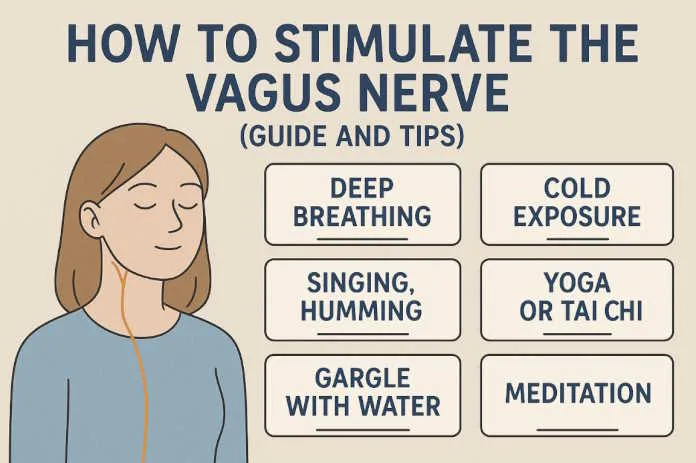
The vagus nerve is the longest cranial nerve, winding through organs like the heart, lungs, and gut. When the vagus nerve works well, so do sleep, digestion, focus, and even the immune system. Weak activity (called low vagal tone) can lead to more stress, poor mood, and stubborn physical issues. High vagal tone, on the other hand, is linked to feeling less anxious, bouncing back from setbacks, and better heart health.
These days, stress is constant. Having simple tools to support the vagus nerve isn’t just a luxury—it’s a real solution.
Table: Vagus Nerve Benefits by the Numbers
| Benefit | Statistic/Finding |
| Stress Resilience | High vagal tone linked to lower anxiety and better recovery |
| Digestion | Stimulating the nerve improves gut motility and reduces digestive issues |
| Mood Support | Vagus nerve stimulation helps reduce depression in clinical trials |
| Heart Health | Improved vagal tone lowers blood pressure and heart rate variability |
| Immune Response | Activation triggers anti-inflammatory effects |
How Can the Vagus Nerve Be Stimulated Naturally?
Supporting vagus nerve health is simple, whether at home or on the go. These methods are backed by modern science and centuries of tradition.
1. Deep Breathing
Slow, deep belly breathing immediately activates the vagus nerve. One trusted technique: inhale through the nose for six counts and exhale out the mouth for eight. Even just five minutes daily can calm the nervous system and boost mood.
- Pro tip: Make your exhales twice as long as your inhales.
2. Meditation and Mindfulness
Meditation doesn’t have to be complicated. Sitting quietly, focusing on the breath, or listening to guided meditations can help tone the vagus nerve. Experts say meditation can lower heart rate and lower blood pressure, both signs the nerve is activated.
- Try five minutes in the morning or before bed.
3. Cold Exposure
A splash of cold water to the face or a quick cold shower can trigger the mammalian diving reflex, stimulating the vagus nerve and promoting calm. Research in 2025 confirmed that even short cold exposures, done regularly, can improve vagal tone.
- Easy daily routine: Run cold water over your wrists or face after washing your hands.
4. Singing, Humming, Gargling
Making sound vibrations—through humming, singing, or even gargling—stimulates the vagus nerve via the vocal cords and inner ear. Feel free to hum your favorite tune or gargle water after brushing your teeth!
5. Physical Movement
Aerobic exercise—especially interval training and brisk walks—increases the vagus nerve’s activity. Recent clinical studies show even 30 minutes daily can build resilience—mentally and physically.
- Mix it up: Walking, cycling, swimming, or even dancing all deliver benefits.
6. Massage
Gentle neck, ear, and foot massage can relax the nervous system. Massage around the ear (especially the tragus and concha), neck, and collarbone in slow, circular motions. Even a 2-minute neck massage has been shown to raise vagal tone by 12% in research.
7. Laughter and Social Engagement
Laughing, connecting with friends, and even positive social activities have proven effects for activating the vagus nerve. It’s one more reason to share a funny video or have a chat with a loved one.
Common Questions About Vagus Nerve Stimulation
Is Vagus Nerve Stimulation Safe?
For most natural methods—like breathing, massage, and singing—it’s very safe. Electrical devices for stimulation should only be used with medical supervision. Implantable medical stimulators are reserved for severe conditions and require surgical procedures.
Can Vagus Nerve Stimulation Help With Specific Conditions?
Yes. FDA-approved uses for direct vagus nerve stimulation include drug-resistant epilepsy and severe depression. Studies show benefits for migraine, PTSD, and even stroke recovery, when paired with traditional therapy.
How Long Before Results Show?
With consistent practice—like daily breathing or massage—most people notice calming effects within days or weeks. Clinical trials for medical stimulation often use durations of weeks to months for meaningful improvement.
Vagus Nerve Massage: Simple Steps for Daily Self-Care
- Find a quiet spot and get comfortable. Use calming music or lavender oil if you like.
- Massage behind the ears: Rub the area behind the earlobe and below the cartilage in gentle circles.
- Neck massage: Start at the base of the skull, moving down the side of your neck to the collarbone in soft, slow strokes.
- Abdominal massage: Make clockwise circles with gentle pressure around the belly button.
Data Table: Popular Vagus Nerve Exercises and Benefits
| Activity | How It’s Performed | Key Benefits | Evidence Strength |
| Diaphragmatic breathing | Slow, belly breathing | Lowers BP, reduces anxiety | High |
| Meditation/mindfulness | Breath focus, body scan | Mood, heart health | High |
| Cold exposure | Splash face, cold showers | Boosts vagal tone | Moderate |
| Massage (neck/ear/foot) | Gentle pressure on key areas | Vagal tone, relaxation | High |
| Singing/humming/gargling | Vocal vibrations | Mood, stimulates nerve | Moderate |
| Exercise | Brisk walk, cardio, interval training | Cardio, mood, vagal tone | High |
2025 News: Vagus Nerve Stimulation Breakthroughs
The field of vagus nerve stimulation is moving fast in 2025. Key highlights include:
- A randomized trial from May 2025 proved 30 minutes a day of non-invasive tVNS (transcutaneous vagus nerve stimulation) increased aerobic capacity and heart health in healthy adults.
- A new one-year, double-blind study confirmed VNS improves symptoms in severe, treatment-resistant depression, with nearly half of participants showing significant improvement in mood and daily function.
- Early-stage trials now show vagus nerve stimulation may reduce inflammation in autoimmune disorders, and PTSD sufferers have shown lasting symptom relief up to six months post-treatment.
This means better mental, heart, and immune health are within reach for more people than ever before.