




Millennials aren’t just booking spa days for relaxation anymore. They’re looking for results — whether it’s clearer skin, better sleep, hormone balance, or just more energy to get through the week. That’s why modern medspas and health optimization platforms are growing fast.
But they’re also more selective than ever. They want more than cucumber water and fluffy robes — they want real benefits, tech-forward tools, and a space that matches their lifestyle and values.
This article covers exactly what millennials expect from modern wellness clinics, what earns their trust, and what makes them stick around.
Personalization Over One-Size-Fits-All
Millennials have grown up with customization — from their Spotify playlists to meal delivery plans. So it’s no surprise that they expect their health and wellness treatments to be just as tailored. When walking into a medspa, they don’t want a menu of generic facials or “one-type-fits-all” detox drips. They want services that are designed for them — their skin, their body, their stress levels, their lifestyle.
This shift is why many modern wellness brands are focusing on individual diagnostics before offering solutions. It starts with things like hormone tests, genetic panels, or detailed intake forms that dig into sleep, energy, gut health, and even daily routines. With that data in hand, medspas can offer custom vitamin IVs, targeted skincare plans, or personalized biohacking protocols.
Take Next Health, a wellness brand with locations in LA, NYC, and Miami. They start with advanced diagnostics — bloodwork, hormone panels, inflammation markers — before offering any treatments.
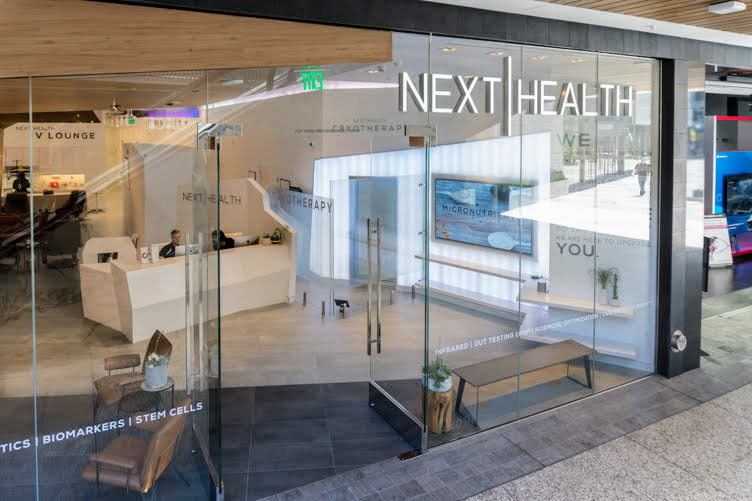
Image Source: Haute Living
Based on the results, clients get a personalized plan with options like IV therapy, NAD+ drips, or cryotherapy.
What makes them stand out is how they blend medical-grade care with a modern, spa-like experience. Clients can track everything through their app, and each service is backed by real data and licensed staff.
Transparent, Science-Backed Treatments
Millennials aren’t easily sold by buzzwords or shiny marketing. They’re the research-first generation — Googling ingredients, reading reviews, and checking if a treatment is FDA-cleared before they book it. So when it comes to medspas and health optimization platforms, transparency is everything.
They want to know what’s in that drip, why that machine works, and what kind of results they can realistically expect. And if the answer is vague or filled with over-promises, they’ll move on fast.
That’s why clear, evidence-based explanations matter. If a treatment helps with collagen production, explain how—maybe it uses radiofrequency or microneedling to stimulate the skin’s natural healing response.
If a peptide therapy promises energy boost or fat loss, clients want to know what studies back it up and what side effects might come with it. Being upfront builds confidence, and confidence leads to bookings.
Another key detail? Credentials. Millennials often look at who’s on staff—are the providers certified, do they specialize in functional medicine, are they trained in trauma-informed care? These things matter more than ever. It’s no longer enough to look the part—clinics need to prove they can deliver.
In an email interview, Sean McSweeney, CEO of Voyant Health, explains, “Millennials expect healthcare to match the digital convenience of every other part of their lives. That means being able to schedule appointments online easily via their phone, register and provide insurance information via a kiosk or ideally just emailing/texting their insurance card, and understand what they’ll owe before a visit — not get a surprise after. They want statements delivered via email or text, the option to pay instantly using mobile wallets or apps like Venmo and Apple Pay. This requires medspas to implement technology solutions far beyond traditional practice management systems. Transparent, tech-enabled scheduling and billing isn’t a nice-to-have — it’s the baseline expectation.”
Advance Tech Integration
If a wellness brand still relies on phone calls for booking or handwritten intake forms, it’s going to lose millennials fast. This generation expects everything to be digital, smooth, and instant. They want to book online, fill out their profile once, and see their progress from their phone.
Adam Jamal, CEO of City Dermatology Clinic, explains, “A modern medspa or health platform that builds tech into every part of the user journey is far more appealing. That means mobile-friendly booking, secure online payments, follow-up reminders, and personal health dashboards that store your test results, treatment history, and progress tracking.”
Bonus points if the platform syncs with wearables like Apple Watch, Oura Ring, or WHOOP—because that makes the experience feel connected and cutting-edge.
A good example is Levels, the metabolic health app that pairs with a continuous glucose monitor.

Image Source: Levels
It doesn’t just collect your data — it helps you understand it. You see how your body responds to food, sleep, and exercise in real-time, and you get recommendations tailored to that feedback. It’s not a medspa, but it shows how digital wellness platforms can deliver serious value with great UX.
To millennials, good tech signals professionalism and care. It shows that the clinic respects their time, their privacy, and their desire to take control of their health journey—on their terms.
Preventative and Longevity-Focused Offerings
Millennials aren’t waiting until something goes wrong to see a doctor. Many are already investing in services that help them stay well—not just get better. They’re focused on energy levels, stress management, immune support, hormonal balance, and even cellular health. That’s why preventative and longevity-focused treatments are becoming key pillars in modern medspas.
Services like NAD+ IV therapy, peptide treatments, red light therapy, cryotherapy, and hyperbaric oxygen chambers are no longer fringe — they’re front and center. These aren’t just trendy — they’re seen as tools to live better, longer. The goal isn’t a quick fix; it’s long-term health optimization that fits into a busy lifestyle.
Alyssa Luciano, RN – Owner of Avere Beauty, adds, “Many millennials are now turning to regular testing — checking for nutrient deficiencies, inflammation markers, or hormone imbalance — just to get ahead of issues like fatigue, anxiety, or brain fog. They want to feel sharp and productive today, and avoid burnout or chronic problems tomorrow.”
The mindset is shifting from “I’ll fix it when it breaks” to “I’ll take care of it before it does.” And for medspas, that means offering memberships or packages that promote long-term health—monthly IVs, annual panels, biohacking bundles—rather than just isolated services.
Affordability and Membership Models
Millennials aren’t chasing the cheapest option — they’re looking for value. They’re willing to spend on health and wellness, but only when the pricing feels fair and the benefits are clear. That’s why transparent costs and flexible membership models are becoming a major draw.
Hidden fees, unclear service descriptions, and overpriced single sessions turn people off. This generation wants to see what they’re getting, understand the benefits, and choose how often to use the service. In response, many medspas are offering tiered memberships — things like one treatment per month, discounted add-ons, or extras like wellness classes and birthday perks.
A $149/month plan that includes one IV drip, 10% off additional services, and access to group sessions feels more approachable than a $300 pay-per-visit model. These plans also promote consistency — people are more likely to stick with something they’ve already budgeted for.
“Health is no longer viewed as a one-time fix — it’s something people want to build into their everyday life,” says Dr. Amanda Baes, Owner of Healing Hands Chiropractic. “When pricing is clear and care feels personalized, people feel more in control and more likely to commit long-term.”
Offering app-friendly payments, subscription models, or pay-later options like Klarna or Affirm also helps. Giving people flexibility in how they pay makes them feel respected — and much more likely to book again.
Aesthetic Meets Atmosphere
Walk into a modern medspa and you’ll notice something right away — it doesn’t look clinical. Millennials are drawn to spaces that feel like a cross between a wellness retreat and a boutique hotel. Clean design, natural lighting, calming colors, and small thoughtful touches make the experience feel premium, even before the treatment starts.
For this generation, space is part of the service. If a room feels sterile, outdated, or over-lit, it’s an instant red flag. But a beautiful, thoughtfully designed space with soft music, aromatherapy, and cozy textures instantly makes clients feel relaxed and cared for. It becomes somewhere they want to be—not just a place to check off an appointment.
And it’s not just about appearances. A calming atmosphere reduces stress, supports better treatment outcomes, and sets the tone for a positive, trusting relationship. Smita R. Ramanadham, Female Labiaplasty Surgeon – SR Plastic Surgery P.C, mentions, “When the environment feels thoughtful, clients feel like their wellness is being taken seriously — beyond just the needle or machine in front of them.”
Inclusive, Body-Positive Approach
Millennials are deeply aware of how the wellness industry can feel exclusive or judgmental — and they want no part of that. Today’s consumer is diverse in size, gender, ethnicity, and identity, and they expect the places they visit to reflect that reality.
When a medspa markets itself only with slim, white, conventionally attractive models, it instantly alienates a large portion of potential clients. Millennials are looking for spaces that feel welcoming to everyone, not just those who already fit certain beauty standards. That means featuring real clients in content, using inclusive language on the website, and training staff to provide care that’s sensitive to different bodies and backgrounds.
Htet Aung Shine, Co-Founder of NextClinic, adds, “Body-positive doesn’t mean “anti-aesthetic” — it means helping clients feel empowered about their choices, not shamed into them.” A millennial might want Botox or skin resurfacing—not because they feel broken, but because they enjoy taking care of themselves. And they want to hear that message reflected by the people they’re trusting with their care.
Inclusivity also means accessibility. Gender-neutral intake forms, restrooms, and treatment options that consider trans and non-binary clients are no longer optional — they’re expected. So is staff training in cultural competency and respectful communication.
Education and Community Building
Millennials don’t want to be passive patients—they want to understand what’s happening with their body and why certain treatments work. That’s why medspas that go beyond the service and focus on education create stronger, lasting relationships.
They’re curious about how IV therapy affects nutrient absorption, or why red light therapy supports collagen. They want to know what peptides do, and whether adaptogens actually help with stress. If you can answer those questions clearly — without sounding like a textbook—you build trust.
One great way to do that is by offering workshops, live Q&A sessions, or wellness talks. Some clinics are even hosting small group events or webinars with their medical staff or guest experts. It turns your medspa from a place people go to, into a place people belong to.
Social media can also play a huge role here. Instead of just posting promotions or “before and after” shots, share valuable tips, breakdowns of common treatments, or myth-busting reels. When your content actually helps someone learn or make a better decision, they’re far more likely to engage—and book.
Jason Buchwald, Emergency Medicine Physician and Senior Medical Reviewer at TrustMedical, says, “Millennials are big on peer validation. They read reviews, watch testimonials, and ask friends for recommendations. By creating a visible, engaged community — whether that’s in-person or online — you tap into that word-of-mouth energy and turn satisfied clients into loyal advocates.”
Conclusion
Millennials are looking for trust, comfort, and long-term health. They care about what’s in a drip, who’s giving it, and why it matters. If a medspa feels honest, easy to use, and built around real needs, they’ll come back—and tell others.
The more personalized, inclusive, and clear your services are, the more likely you are to connect with this generation. And once you earn their trust, they don’t just become clients — they become your strongest advocates.