Daily you likely use graphic overlays without even realizing it. From thin plastic sheets on microwaves and ATMs, to soft touch panels on vending machines and colorful front panels of treadmills and washing machines, graphic overlays can not only look attractive, but can also aid the user experience and even increase functionality. Graphic overlays play an integral part in improving both the aesthetics and functionality of products you encounter every day.
Unknowingly, one of the most overlooked components of modern machines, and perhaps one of its most essential ones, is this seemingly innocuous interface.
What Is a Graphic Overlay?
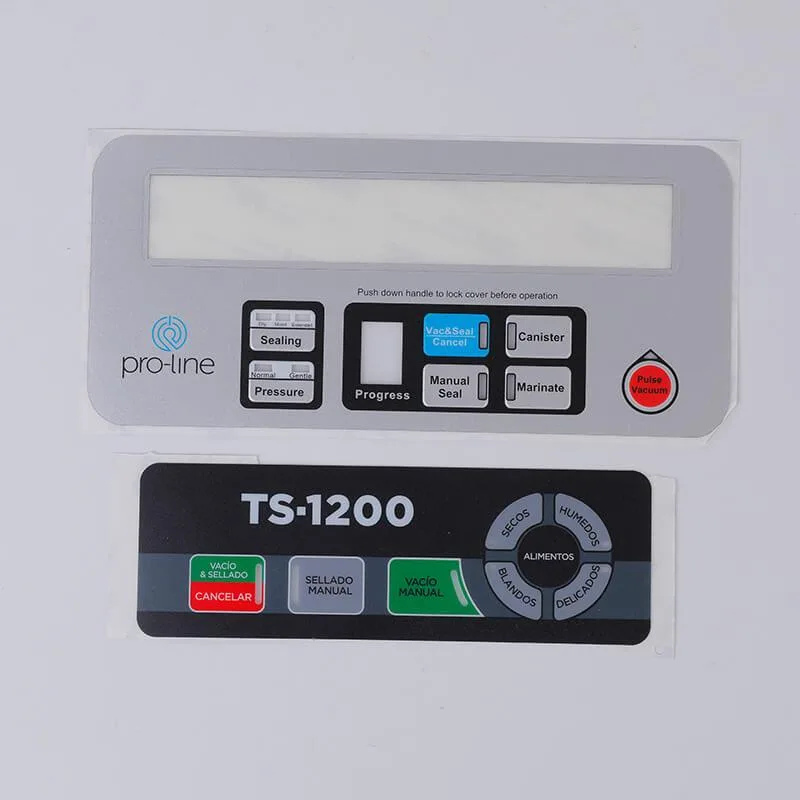
A graphic overlay is a printed layer, typically composed of polyester or polycarbonate, that sits atop a control panel and serves as the interface your fingers come in contact with when using devices. Think of it like the machine’s face, its symbols and texts come to life through cutouts for buttons, indicator lights or screens.
Be wary of mistaking a graphic overlay for just another sticker, it is much tougher! Engineered to last longer, be waterproof, chemical resistant and fade-proof, graphic overlays have proven themselves effective in challenging environments such as factory floors or hospital operating rooms.
Why Are Graphic Overlays So Popular?
These overlays serve more than one function beyond labeling: they also serve multiple purposes beyond that.
- Protect internal electronics from dust, spills, UV rays and cleaning chemicals.
- Provide clear instructions to users via printed text, icons or color coding.
- Enhance user experience through tactile feedback, anti-glare surfaces or embossed buttons.
- Increase safety and compliance standards in industries with vitally important hygiene or labeling requirements.
Overlays play an integral part in healthcare environments, food processing facilities, automotive or outdoor products that need to withstand heat, rain, vibration and wear and tear, and healthcare machines that must remain sanitary.
You’re Sure to Find One Every Day
Graphic overlays quietly serve their purpose at home and in public places alike:
- Home appliances such as microwaves, dishwashers, and washing machines,
- Gas station pumps,
- Fitness equipment like treadmills and stationary bikes,
- Medical monitors and diagnostic tools
- Elevators and intercom systems
- Food processing machines in commercial kitchens or factories, and industrial equipment and control systems
An overlay that offers superior protection and an engaging experience is invaluable to ensuring an ideal product experience. However, poorly made overlays can cause irreparable harm, such as fading text, peeling edges, or stopped-responding buttons. Therefore, they should only be purchased from trusted providers.
How Are Graphic Overlays Manufactured?
Creating a professional-grade overlay requires both precise design and material science expertise. The following are typical steps involved in this process:
- Material Selection: PET is ideal due to its chemical resistance and durability, while polycarbonate (PC) offers better clarity and embossability.
- Printing & Cutting: Reverse printing helps prevent graphics from abrasion; screen printing ensures color saturation; digital printing allows for high-detail, low-volume production; while die cutting or laser cutting enables precise alignment for LEDs, switches, or display windows.
- Adhesive Backing: 3M adhesives provide secure bonding for an effortless application process. Matte, gloss, anti-glare, or hardcoat finishes enhance both performance and legibility for improved functionality and longer-term results.
- Inspection & Packaging: Final overlays must pass a series of quality assurance tests designed to check their accuracy, clarity, and adhesion integrity under ISO, RoHS, or REACH regulations.
One Final Tip
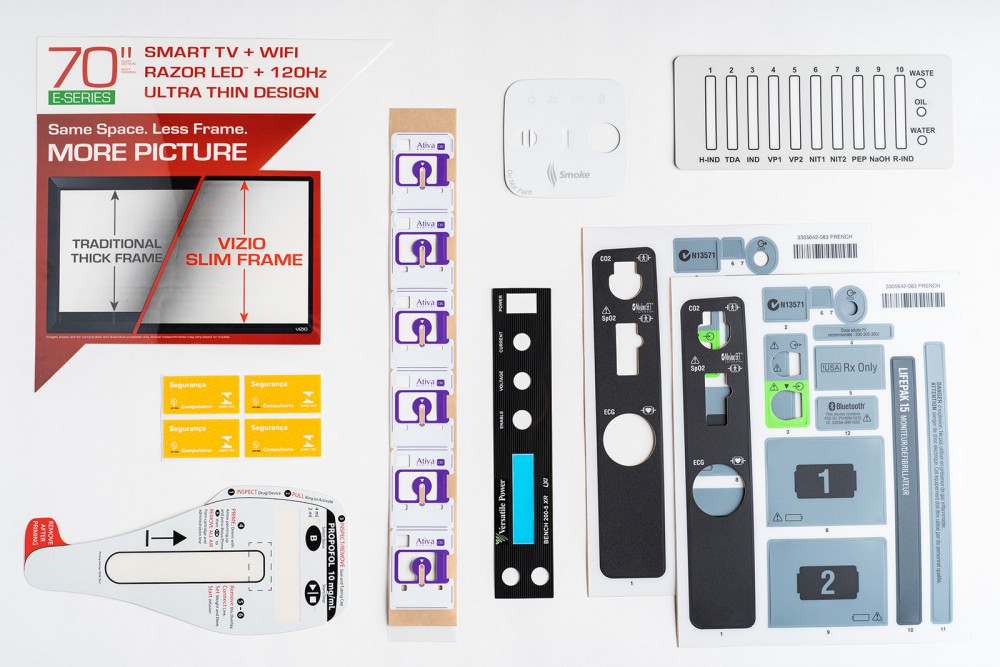
When upgrading or customizing products, don’t overlook graphic overlays as an affordable, customizable, and functional solution, even in small quantities. From adding logos and UV, you should be sure to partner with a provider who understands which materials best suit your application needs.
Bottom Line:
A small plastic sheet may seem inconsequential–but its presence is critical in modern machines, providing durability, clarity, and user satisfaction all in a small package.