



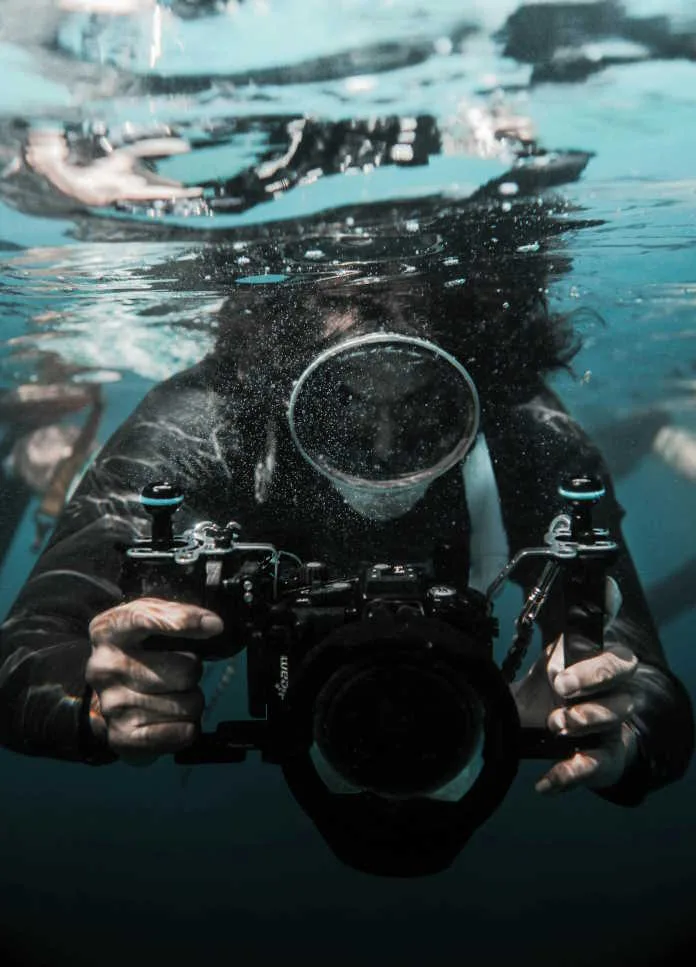
The Ultimate Guide to Underwater Inspection Cameras
Underwater inspection cameras have revolutionized marine and industrial operations, offering enhanced capabilities for exploration, maintenance, and research. Designed to withstand extreme underwater conditions, these devices are indispensable for industries requiring high-quality underwater surveillance.
What Makes Underwater Inspection Cameras Essential?
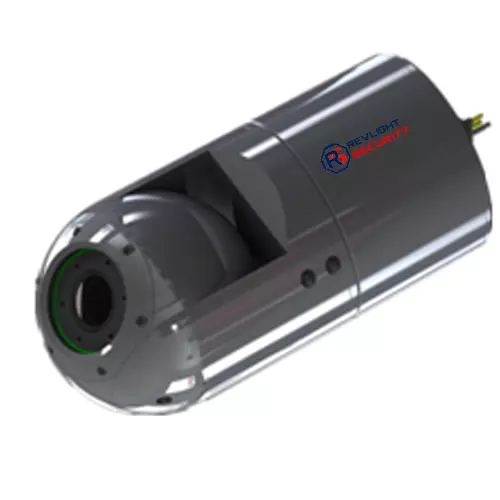
Underwater inspection cameras, such as the Cyclops Underwater PTZ Camera, are engineered to perform in challenging underwater environments. They ensure precision and clarity for a variety of applications, from industrial inspections to scientific research. The combination of advanced imaging technology and robust construction makes these cameras crucial for tasks requiring visibility below the surface.
Key Features of Underwater Inspection Cameras
1. Waterproof and Pressure-Resistant Design
Underwater cameras are built with high-grade, waterproof enclosures designed to endure immense water pressure. Devices like the Cyclops PTZ are capable of operating effectively at significant depths, ensuring reliability in demanding conditions.
2. High-Resolution Imaging
Equipped with high-definition sensors, these cameras capture sharp and clear visuals, enabling detailed analysis of underwater objects and surroundings. The Cyclops offers crisp imaging even in murky or low-light conditions, ensuring accurate inspections.
3. Integrated Lighting Solutions
Built-in LED lights provide optimal illumination, making it easier to capture detailed visuals even in the darkest underwater environments. This feature is particularly useful for deep-sea inspections and research.
4. PTZ Functionality
The Pan-Tilt-Zoom (PTZ) capability allows for comprehensive scanning of underwater areas. Operators can control the camera’s movement to inspect every angle without repositioning the device, saving time and improving efficiency.
5. Durable Construction
Anti-corrosion materials ensure longevity, even in saltwater environments. Explosionproof certifications like ATEX enhance safety, especially in hazardous locations such as offshore oil rigs.
Applications of Underwater Inspection Cameras
1. Pipeline and Infrastructure Inspections
Underwater cameras play a critical role in inspecting pipelines, detecting damages, and assessing maintenance needs. This ensures operational safety and reduces costly downtimes.
2. Marine Life Research
Researchers utilize these cameras to study marine ecosystems, track species behavior, and monitor conservation efforts. The ability to observe marine life without intrusion is invaluable for ecological studies.
3. Ship Hull Maintenance
Inspection of ship hulls, propellers, and other submerged components is essential for maritime safety. Underwater cameras facilitate detailed evaluations, identifying wear or damage that requires repair.
4. Underwater Archaeology
Exploration of shipwrecks, submerged ruins, and artifacts is enhanced with underwater cameras, offering a non-invasive way to document and analyze historical treasures.
How to Choose the Right Underwater Inspection Camera
1. Depth Rating
Select a camera with a depth rating suitable for your operations. For deep-sea applications, ensure the camera is pressure-rated for the required depths.
2. Resolution and Imaging Quality
High-resolution cameras are essential for capturing clear and detailed visuals. Consider options like the Cyclops for superior clarity in various underwater conditions.
3. Connectivity Options
Opt for cameras with reliable connectivity, whether wired or wireless. This ensures seamless data transfer and remote operation during inspections.
4. Power Source
Evaluate the power requirements of the camera. Battery-powered devices offer flexibility, while tethered systems provide extended operational durations.
Conclusion
Underwater inspection cameras, such as the Cyclops Underwater PTZ, are indispensable tools for marine and industrial applications. Their ability to operate in extreme conditions, provide high-resolution imaging, and offer versatile functionalities makes them essential for underwater tasks. From pipeline inspections to marine research, these devices enhance operational efficiency and ensure safety.
For reliable underwater surveillance, consider investing in a cutting-edge camera like the Cyclops—designed to meet the challenges of the deep. Explore more at Revlight Security.