



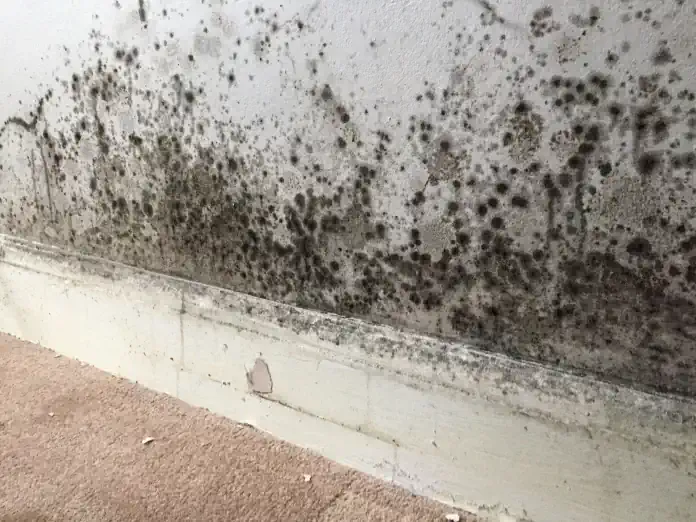
In KwaZulu-Natal, we’re no stranger to a warmer climate, humidity and heavy rains, but the combination of these extremities in the past few weeks has resulted in a summer that not many will want to remember, with South African Weather Service (SAWS) having issued several weather warnings for the province over the summer. Over and above the structural damage to roads and homes, the lingering smell and impact of damp and mould can create a host of problems when it comes to the long-term health and wellbeing of KZN residents.
If your clothes and soft furnishings smell a bit musty after a few weeks of rain and high humidity, or you’re coughing and struggling with allergies, chances are there’s mould in your home. Mould can enter your home through windows, vents, doorways and air-conditioning systems and you might not even have noticed it because mould spores are tiny – half the width of a human hair. However, touching or breathing in mould spores can cause sneezing, a runny nose, red eyes and skin rashes. Mould can also cause asthma attacks, affect your immune system, and even cause depression1 and anxiety2.
Air treatment specialist from Solenco, Trevor Brewer, says that it is possible to banish mould and prevent it from coming back, even after heavy rain and a very hot summer. He provides some useful tips:
- Once a year, seal your tile grouting with a standard sealer to stop moisture from leaking through into the walls.
- After you’ve had a bath or shower, use a squeegee to remove the excess water from the bathroom walls. This will help cut down the amount of extra moisture in your bathroom by as much as 75%.
- If you have mould on soft furnishings or clothing, they should be shampooed and dried outside in a sunny spot or professionally dry cleaned.
- For damp in walls, use a product like Plascon Dampseal.
- Ensure that fresh air can flow freely through your home by opening windows to create cross-draughts.
- Invest in a quality dehumidifier – dehumidifiers assist in decreasing and balancing the level of moisture in the atmosphere and preventing the growth of mould.
Brewer says that dehumidifiers remove moisture and humidity from the air, which results in less condensation on windows and floors. They also help to prevent the build-up of mould, bubbly’ paint and musty smells.
While a standard air conditioner cools and dehumidifies the air by removing excess moisture, it switches off after it has reached the targeted temperature and therefore cannot control humidity effectively. By using a dehumidifier, you can both prevent mould and keep the air light and breathable 24/7.
He advises that you check your bathroom and kitchen first if you suspect that your home is damp and mouldy: “Check around leaking taps and under sinks. Mould loves to grow behind appliances such as the dishwasher or fridge, in cupboards, and in other areas where condensation and humidity are high.”