






Iceland might not seem like the most obvious destination for a summer vacation, but the island nation’s climate is surprisingly warm, even in the middle of winter, when temperatures can reach upwards of 60 degrees Fahrenheit. Iceland’s real low season starts in July, however, when the average temperature hovers around 45 degrees Fahrenheit. For this reason and more, July is one of the best times to visit Iceland. Here are 9 things you absolutely must do during your trip to Iceland in July.
9 Can’t-Miss Things to Do in Iceland in July
Blue Lagoon
Yes, it’s a tourist attraction. Yes, it can be crowded. But you also won’t find a more relaxing way to take a dip while still feeling like you are having an authentic Icelandic experience. The water is warm enough that even first-timers don’t have anything to worry about and you can relax on one of those weird rectangular rafts until your time is up. You will not regret visiting Blue Lagoon at least once before you leave Reykjavik for home.
Golden Circle (Þingvellir, Geysir, Gullfoss)
The Golden Circle is an iconic, must-see trip for any first-time visitor. The route takes you past three of Iceland’s most spectacular natural features: Þingvellir National Park, Geysir geothermal area, and Gullfoss waterfall. Drive along Highway 1 from Reykjavík, then Highway 36 south from Geysir. The trip is just over 150 kilometres (93 miles) and can be done comfortably by car in about 5 hours without stops.
Snorkelling in Silfra
Considered one of the best snorkelling spots in all of Europe, Silfra is a freshwater fissure between two tectonic plates that are pulling apart from each other. The rift has created crystal clear water and a host of underwater sea life. It’s particularly spectacular for snorkelers—you can swim over massive cave-like formations and see fish swimming underneath you.
Jokulsarlon Glacier Lagoon
Located on Breiðamerkursandur glacial outwash plain, it is one of nine glacial outwash lakes that can be found along Iceland’s coastline. Jokulsarlon Glacier Lagoon has bright blue waters which contrast with its surroundings, due to all of its white sand shores and icebergs. This is a photographer’s dream, especially during sunrise or sunset. The best time to visit is from April until August when daylight hours are longer.
Hiking Selfoss
At a distance of 22 kilometres from Reykjavik, it is hard to believe that Hvolsvollur is only being used as a parking lot for tourists. With breathtaking views, you could spend all day hiking from there down into Selfoss and back. There are also two geothermal pools nearby if you want to take a swim after your hike.
Go horseback riding on a glacier
It’s not a bad idea to come in summer if you want to ride Icelandic horses; that is, after all, what they were made for. The warmest months of summer are also when it’s easiest to visit Vatnajökull National Park—the biggest and most popular of Iceland’s Glacier National Parks. There’s no better way to get up close with the country’s impressive natural resources than on horseback. To go horseback riding on a glacier you have to have some experience riding horses, so I would recommend taking lessons before coming here. But even if you don’t know how to ride one horse at home, this should be easy enough.
Visit Skogafoss Waterfall
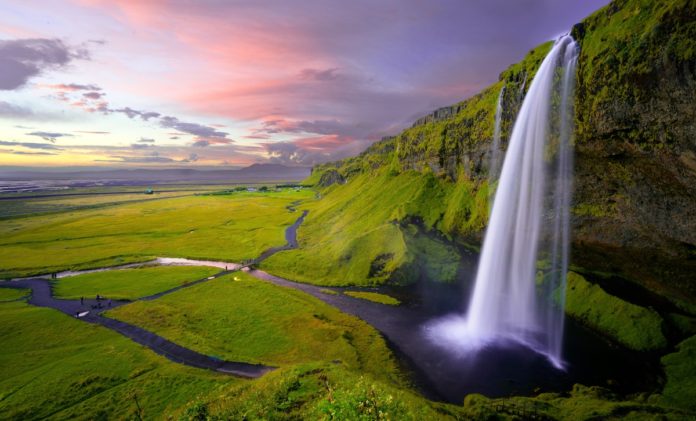
If you’re staying in Reykjavik, a great place to cool off on a hot summer day is at Skogafoss waterfall. Not only will it be much cooler than being down town, but you’ll be able to cool off and explore one of Iceland’s most beautiful waterfalls.
Visit Þórsmörk – Valley of Thor (The God of Thunder)
Located on Hlíðarfjall mountain, Þórsmörk is one of two valleys in Iceland named after Thor, and there’s a good reason for that. Situated between Langjökull and Mýrdalsjökull glaciers, it has many of these frost giants sprawled all around it and has views of 15 different glacial tongues.
Hot Springs at Landmannalaugar
A highlight of any trip to Iceland is a visit to one of its many geothermal hot springs. Landmannalaugar is a favourite among travellers, thanks in part to its proximity to numerous other must-see attractions and breathtaking scenery. Located on the famous Laugavegur hiking trail, Landmannalaugar’s geothermal hot springs are especially popular during winter months, when travellers often have trouble reaching them due to weather conditions.