


The African continent is experiencing a significant transformation in its digital entertainment landscape. With the proliferation of smartphones and improving mobile internet infrastructure, Over-the-Top (OTT) and Subscription Video-on-demand (SVOD) services are rapidly gaining traction across Sub-Saharan Africa.
Unlike traditional media, OTT SVOD platforms offer on-demand access to a vast array of content, catering to diverse tastes and preferences. Notably, local mobile operators are emerging as key players in this market, capturing a substantial share of subscribers by leveraging their unique advantages. This blog delves into why African subscribers are increasingly favoring local operators’ mobile apps over international giants like Netflix and Amazon Prime.
Rise of OTT SVOD in Africa
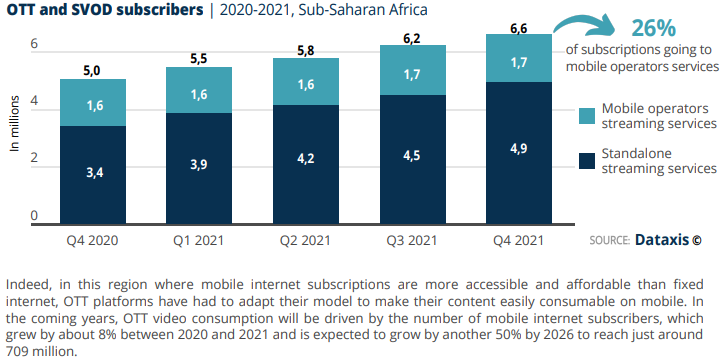
The OTT SVOD market in Sub-Saharan Africa is witnessing explosive growth. Between 2020 and 2021, the number of OTT subscribers increased by approximately 26%.
Source: (Dataxis)
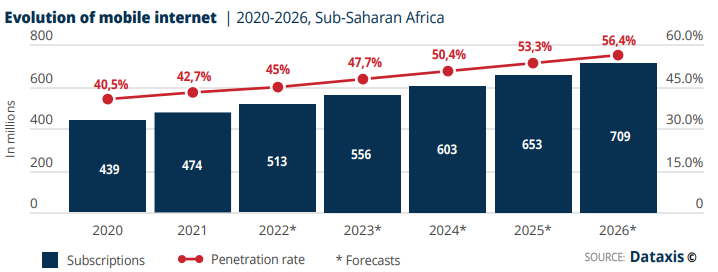
This surge is driven by a young, tech-savvy population eager to consume digital content, coupled with rising disposable incomes and expanding middle-class demographics. According to Dataxis, mobile internet subscriptions in the region grew by about 8% between 2020 and 2021 and are projected to reach around 709 million by 2026, a testament to the region’s digital momentum.
Mobile Operators Entering the Streaming Space
Recognizing the burgeoning demand for digital content, major South African mobile operators have strategically entered the OTT SVOD market. Companies such as Safaricom, Globacom, MTN, Airtel, Orange, Vodacom, and others have launched their streaming services. For instance:
- Safaricom launched BAZE in May 2021, offering local and regional short videos tailored to Kenyan audiences.
- Globacom introduced Glo TV, a mobile app providing TV channels and streaming content to Nigerian subscribers.
- Vodacom launched Video Play, which holds a 17% market share in Sub-Saharan Africa, making it the third-largest streaming platform in the region.
These initiatives are part of a broader strategy where mobile operators leverage their extensive subscriber bases and local market knowledge to offer integrated entertainment solutions.
Key Factors Driving Preference for Local Operator Apps
These factors collectively create a compelling value proposition for African consumers, making local operator apps the preferred choice for OTT SVOD services across the continent.
Tailored and Local Content
Local operators have a deep understanding of regional cultures, languages, and preferences. This enables them to curate and produce content that resonates more profoundly with their audience.
For example, Vodacom’s Video Play offers a mix of local African movies, series, and shows that reflect the diverse cultures across South Africa. Similarly, Safaricom’s BAZE features content that is specifically tailored to Kenyan and East African viewers, including popular Nollywood films and Swahili dramas.
Affordable and Flexible Pricing Models
Affordability is a critical factor in the South African market, where economic disparities are significant. Local operators often provide more flexible and affordable pricing structures compared to international SVOD giants. They offer daily, weekly, or bundled subscription plans that cater to varying financial capacities.
For instance, Vodacom’s Video Play and MTN’s various TV services provide affordable subscription options that allow users to access content without the commitment of a high monthly fee. In 2021, mobile operators’ streaming platforms accounted for 26% of OTT and SVOD subscribers in Sub-Saharan Africa, underscoring the effectiveness of their pricing strategies.
Data Efficiency and Mobile Optimization
In many parts of Africa, mobile internet is more prevalent and affordable than fixed broadband. Content distributors develop a fully optimized OTT platform script for mobile usage, ensuring they consume less data and perform well even on lower-end smartphones. This mobile-first approach is crucial in a region where high-speed internet and advanced devices are not universally accessible.
For example, Orange Group in Ivory Coast allows TV pass subscribers to watch content without incurring additional data charges, enhancing the user experience by mitigating data costs.
Integration with Local Payment Methods
Payment barriers often hinder subscriptions to international services. Local operators address this by integrating popular regional payment methods such as mobile money, which is widely used across Africa.
This seamless payment integration facilitates easy and secure transactions, enabling more users to subscribe to their streaming services. For example, MTN’s streaming platforms accept mobile money payments, aligning with the preferred payment methods of their customer base.
Community Engagement and Customer Support
Local operators excel in providing customer support in native languages and through accessible channels like WhatsApp or SMS. They engage with their audience through social media and other community platforms, fostering loyalty and a sense of belonging. This level of personalized engagement is often challenging for global players to replicate due to their vast and diverse user bases.
Market Statistics and Growth Projections
The African OTT SVOD market is poised for continued growth. Dataxis projects that mobile internet subscribers will grow by another 50% by 2026, reaching approximately 709 million.
Source: (Dataxis)
The increasing number of mobile internet users is expected to drive OTT video consumption, further solidifying the role of mobile operators in the streaming ecosystem. The subscription penetration rate is forecasted to rise from 40.5% in 2020 to 56.4% by 2026, indicating robust market expansion.
Challenges and How Local Operators Overcome Them
Despite the promising growth, the African OTT SVOD market faces several challenges:
Unstable Internet Connections
Inconsistent internet quality can disrupt streaming experiences. Local operators mitigate this by optimizing their apps for lower data consumption and ensuring their platforms are accessible even with limited bandwidth.
High Prices
While local operators offer more affordable options, the overall cost can still be prohibitive for some users. By providing flexible payment plans and bundling services, operators make streaming more accessible.
Lack of Payment Options
Integrating local payment methods like mobile money addresses this barrier, making it easier for subscribers to pay for services without relying on international payment systems.
Content Production
Limited local content production can hinder subscriber growth. However, operators are increasingly investing in original content that reflects local cultures and stories, thereby enhancing their appeal.
Partnerships Between Local Operators and Global Platforms
Local operators are not only launching their streaming services but also partnering with global platforms to enrich their offerings. For instance:
- Vodacom partners with Netflix, Showmax, and Amazon Prime Video, allowing subscribers to access these global services through Vodacom’s infrastructure.
- MTN collaborates with platforms like Wi-Flix, Showmax, and StarNews, providing bundled packages that include both local and international content.
- These partnerships enable local operators to offer a comprehensive entertainment ecosystem, blending global content with local flavors.
Future Outlook
The future of OTT SVOD in Africa looks promising, driven by continued improvements in mobile internet infrastructure and the expanding subscriber base. As internet penetration increases, particularly in rural and underserved areas, the demand for digital content will surge.
Local operators can capitalize on this growth by continuously innovating and expanding their content libraries. The anticipated growth in mobile internet subscriptions, combined with the strategic initiatives of mobile operators, suggests that the African OTT market will continue to thrive.
Conclusion
Local mobile operators in Africa have carved out a significant niche in the OTT SVOD market by offering tailored content, affordable pricing, optimized mobile experiences, and seamless payment integrations. Their deep understanding of regional markets and ability to engage with subscribers on a personal level give them a competitive edge over international giants.
As the digital landscape in Africa continues to evolve, local operators are not only meeting the current demand but are also laying the groundwork for sustained growth and innovation in the entertainment sector.
By choosing local OTT SVOD apps, African subscribers are not only accessing content that aligns with their cultural and social contexts but are also supporting platforms that understand and cater to their unique needs. As these services expand and adapt, they will undoubtedly play a pivotal role in shaping the future of entertainment across the continent.
Author Bio:
Dilshad Durani is a seasoned Digital Marketer and Content Creator currently contributing her expertise to the dynamic team at Alphanso Technology, a leading company specializing in an Eventbrite clone and Spotify clone script development. Her insatiable curiosity fuels a relentless pursuit of knowledge, driving her to unravel the intricacies of changing trends, evolving marketing approaches, and ethical business practices.
Linkedin || Twitter || Facebook || Instagram